
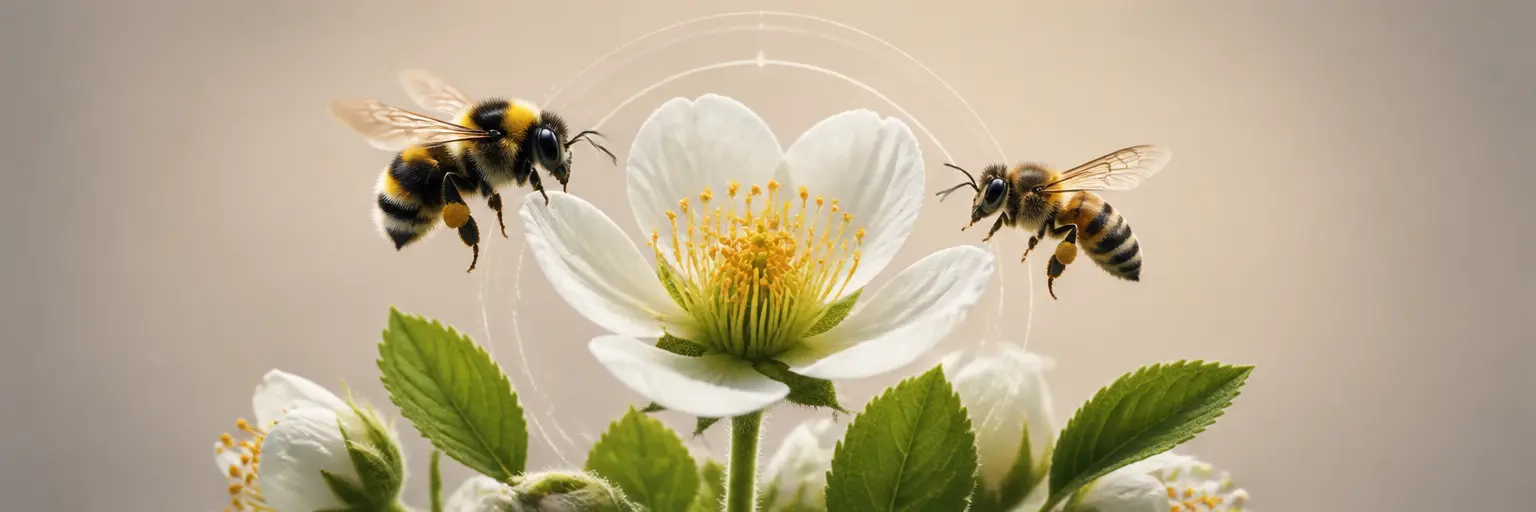
Pollinator Monitoring: How to Track the Health of Your Garden's Helpers
Discover the importance of pollinators in successful home gardening 🐝🌸. Learn how bees, butterflies, birds, and other beneficial creatures support fruit, vegetable, and herb production, improve garden biodiversity, and strengthen sustainable ecosystems. Explore organic gardening tips for attracting pollinators with native flowers, pesticide-free practices, and habitat-friendly planting—helping your garden thrive naturally while cultivating healthier food at home.
6 articles
Creating a Pollinator Paradise: Essential Plants for a Buzzing Garden
PollinatorFriendly Gardening: Simple Steps for a Big Impact
The Colors of Pollination: How Visual Cues Guide Pollinators
The Impact of Habitat Loss on Pollinators: Understanding the Threat
The Science of Pollination: A Deep Dive into the Mechanisms
🐝 The Importance of Pollinators in Sustainable Gardening
Welcome to The Importance of Pollinators, a science-based resource within The Science of Gardening at CultivateYourFood. Discover how bees, butterflies, moths, hummingbirds, beetles, and other beneficial insects support healthy gardens, increase fruit and vegetable production, and strengthen local ecosystems. Learn practical, organic gardening methods for attracting pollinators, protecting their habitats, and cultivating food sustainably at home.
🌼 How Pollinators Support Fruit and Vegetable Gardens
Pollinators transfer pollen between flowers, allowing many plants to produce fruits, vegetables, seeds, and herbs. Readers will learn why crops such as tomatoes, cucumbers, squash, melons, apples, berries, peppers, and pumpkins depend on effective pollination for a productive harvest. Understanding flower structure and plant reproduction can help gardeners identify pollination challenges early.
This section explains how to improve pollination naturally without relying on harmful chemicals. You can expect practical guidance on planting diverse flowers, grouping compatible crops, providing continuous blooms, and creating garden conditions that encourage bees and other beneficial pollinating insects. Better pollination often leads to larger, healthier, and more abundant harvests.
🐝 Meet the Most Important Garden Pollinators
Learn how different pollinators contribute to a thriving home garden. Honeybees, native solitary bees, bumblebees, butterflies, moths, hummingbirds, beetles, and even some flies each have unique behaviors and plant preferences. Identifying these garden visitors makes it easier to understand which plants and habitats will support them.
Readers can discover the differences between native pollinators and managed honeybee colonies, as well as the important role of wild pollinators in organic food production. Protecting pollinator diversity helps create a more resilient garden ecosystem and supports biodiversity beyond the growing season.
🌻 Best Pollinator-Friendly Plants for Home Gardens
Explore how to choose nectar-rich and pollen-rich plants for vegetable gardens, herb beds, orchards, containers, balconies, and small urban spaces. Native flowers, flowering herbs, fruit trees, and long-blooming perennials can provide essential food for pollinators throughout spring, summer, and fall.
Expect helpful ideas for designing a pollinator garden using plants such as lavender, calendula, sunflowers, borage, oregano, thyme, rosemary, coneflowers, native milkweed, and other regionally suitable species. Planting a mixture of flower shapes, colors, and bloom times offers reliable pollinator food sources while adding beauty and productivity to your garden.
🌿 Create a Safe Pollinator Habitat
A pollinator-friendly garden needs more than flowers. Readers will learn how to provide clean water, nesting areas, shelter from wind, leaf litter, hollow stems, bare soil, and protected spaces for overwintering insects. These simple habitat improvements can support native bees, butterflies, moths, and other beneficial wildlife.
This section also covers garden practices that reduce stress on pollinators, including limiting lawn areas, avoiding unnecessary soil disturbance, and choosing organic pest control methods. A healthy pollinator habitat combines food, water, shelter, and nesting space to encourage long-term pollinator activity.
🚫 Protect Pollinators with Organic Pest Control
Many pesticides can harm bees, butterflies, and other beneficial insects, especially when applied to open flowers or during periods of peak pollinator activity. Learn how to manage garden pests using prevention, crop rotation, healthy soil, physical barriers, handpicking, insect netting, and beneficial predatory insects.
Readers will also find guidance on safer product selection, proper application, and integrated pest management for home gardens. Organic pest control should protect crops while preserving pollinator populations, soil health, and the natural balance of the garden ecosystem.
🌱 Pollinators, Composting, and Healthy Soil
Healthy soil supports strong plants, abundant flowers, and better food sources for pollinators. Discover how compost, aged organic matter, mulch, and responsible watering improve plant health and help flowers produce more nectar and pollen. Strong, well-nourished plants are often better prepared to withstand drought, disease, and pest pressure.
This section connects composting and pollinator conservation with sustainable gardening. Readers can learn how to recycle kitchen scraps and garden waste into valuable compost while avoiding contaminated materials and excessive mulch that may interfere with ground-nesting bees. Building healthy soil is an important foundation for a productive, pollinator-supportive garden.
📚 Frequently Asked Questions About Pollinators
🐝 Why are pollinators important for a vegetable garden?
Pollinators help fertilize flowers so many plants can produce fruits and seeds. Crops such as squash, cucumbers, melons, pumpkins, berries, apples, and peppers often need insect or animal pollination. Supporting pollinators can improve fruit set, harvest quality, and overall garden productivity.
🌼 What are the best flowers for attracting pollinators?
The best choices depend on your climate and region, but native flowering plants are usually highly effective. Sunflowers, coneflowers, calendula, borage, lavender, flowering herbs, milkweed, and other pesticide-free plants can provide nectar and pollen. Choose several species with different bloom times to offer food throughout the growing season.
🚫 Are pesticides harmful to bees and butterflies?
Some pesticides can injure or kill pollinators, particularly when sprayed on open flowers, in windy conditions, or when bees are actively foraging. Use prevention and integrated pest management first, and avoid treating blooming plants whenever possible. If a product is necessary, follow the label carefully and select the least harmful option.
💧 How can I provide water for pollinators?
Place a shallow dish or birdbath in a sheltered location and add pebbles, stones, or floating objects so insects can land safely without drowning. Refresh the water regularly to prevent mosquitoes and algae. Clean water sources are especially helpful during hot, dry weather.
🌿 How can I help native bees in my garden?
Plant native, pesticide-free flowers and provide nesting opportunities such as bare soil, hollow stems, brush piles, or undisturbed areas. Avoid excessive tilling and leave some natural plant debris in place over winter. Creating a diverse habitat with food, shelter, and nesting space can support native bees throughout their life cycle.