
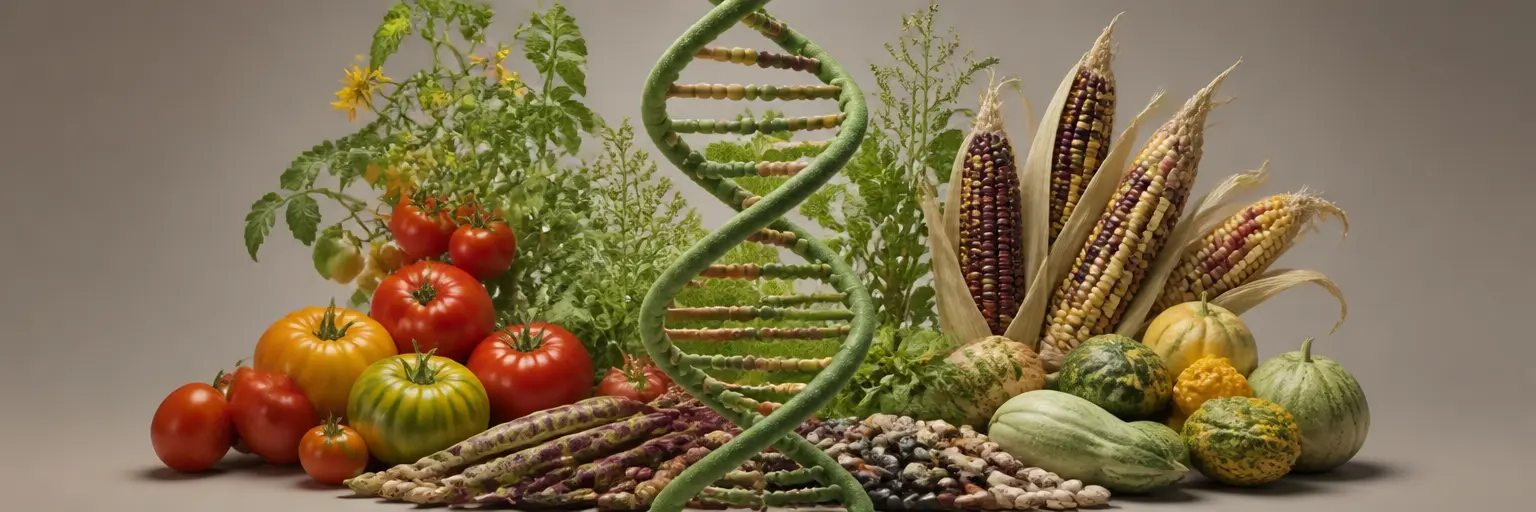
The Role of Plant Chromosomes: The Blueprint for Growth and Development
Explore the fascinating world of plant genetics and heirloom varieties 🌱 Discover how inherited traits shape flavor, resilience, growth, and adaptability while learning to select seeds that thrive in your garden. From time-tested heirloom tomatoes and peppers to unique fruits, vegetables, and herbs, uncover the history and diversity behind every harvest. Grow stronger, more flavorful crops with sustainable, organic gardening knowledge from CultivateYourFood.
5 articles
The Story Behind Your Seeds: The Importance of Saving Heirloom Varieties
Gardening with a Purpose: Using Heirloom Varieties to Promote Food Security
The Challenges and Rewards of Growing Heirloom Vegetables
The Connection Between Soil Health and Heirloom Plant Performance
🌱 Plant Genetics and Heirloom Varieties: Discover the Science Behind Better Homegrown Food
Welcome to Plant Genetics and Heirloom Varieties on CultivateYourFood, a resource for gardeners who want to understand how plant traits influence flavor, productivity, resilience, and adaptation. Explore the science of gardening through practical information about seed genetics, open-pollinated plants, heirloom seeds, hybrid varieties, plant breeding, biodiversity, and seed saving. Whether you grow vegetables, fruits, or herbs in containers, raised beds, or an organic garden, this subcategory helps you choose varieties suited to your climate and sustainable growing goals.
🧬 Understanding Plant Genetics and Inherited Traits
Plant genetics explains why one tomato produces exceptionally sweet fruit while another ripens early, resists disease, or performs better in cool weather. Learn how inherited traits affect germination, plant growth, flowering, fruit development, flavor, color, disease resistance, and harvest timing. Clear explanations make complex genetics useful for everyday home gardeners.
Readers can expect practical guidance on selecting seeds based on genetic characteristics rather than appearance alone. Discover how environmental conditions interact with genetics and why choosing locally adapted varieties can improve garden performance, reduce inputs, and support healthy organic cultivation.
🏡 Heirloom Seeds and Traditional Garden Varieties
Heirloom varieties are valued for their history, distinctive characteristics, and connection to regional food traditions. Explore popular heirloom tomatoes, beans, peppers, squash, cucumbers, leafy greens, herbs, and other crops known for exceptional flavor, unusual colors, unique shapes, and culinary quality.
Learn how to evaluate heirloom seeds for your own garden, including maturity dates, growing requirements, disease susceptibility, and climate suitability. Heirloom plants can add diversity to a home food garden while helping preserve valuable agricultural heritage and time-tested varieties.
🌾 Open-Pollinated, Hybrid, and Genetically Modified Plants
Understanding the difference between open-pollinated, hybrid, and genetically modified plants helps gardeners make informed seed-buying decisions. This section explains how open-pollinated seeds reproduce through natural pollination, how hybrids are developed by crossing selected parent plants, and how genetic modification differs from conventional plant breeding.
Discover the advantages and limitations of each seed type, including seed-saving potential, uniformity, disease resistance, yield, flavor, and adaptability. This information supports thoughtful choices for organic gardens, sustainable food production, and gardeners interested in maintaining genetic diversity.
🌼 Seed Saving, Pollination, and Genetic Diversity
Seed saving is an important skill for gardeners who want greater independence and a stronger connection to their crops. Learn how flowers are pollinated, how plants produce viable seed, and how to select the healthiest specimens for saving. Topics include cross-pollination, self-pollination, isolation distances, seed maturity, cleaning, drying, and storage.
Readers can also learn how to prevent unwanted crosses and preserve a variety’s defining traits over multiple growing seasons. Maintaining diverse seeds helps protect home gardens from changing weather, emerging pests, and plant diseases while supporting long-term food security.
🌍 Choosing Varieties for Climate, Soil, and Growing Conditions
The best variety for your garden depends on more than a seed packet description. Find guidance on matching plant genetics to hardiness zones, growing seasons, rainfall, sunlight, soil type, container gardening, raised beds, and local pest pressure. Selecting regionally adapted plants can improve germination and reduce garden failures.
Learn how to compare days to maturity, cold tolerance, heat tolerance, drought resistance, disease resistance, and growth habit. These considerations are especially valuable for organic gardeners seeking productive crops with fewer synthetic inputs and better natural resilience.
🥕 Improving Flavor, Nutrition, and Harvest Quality
Genetics can influence the taste, texture, aroma, color, nutritional value, and storage life of homegrown produce. Explore why some lettuce varieties resist bitterness, why certain carrots develop intense sweetness, and why particular herbs produce stronger essential oils. Understanding these differences helps gardeners grow food that is both productive and enjoyable.
Expect practical tips for choosing varieties for fresh eating, cooking, fermentation, preserving, and seed production. By combining suitable genetics with healthy soil, compost, proper watering, and responsible pest control, gardeners can achieve abundant harvests without sacrificing quality.
❓ Frequently Asked Questions About Plant Genetics and Heirloom Varieties
🌱 What is an heirloom plant variety?
An heirloom variety is a traditionally maintained plant variety, often passed down through generations of gardeners and farmers. Heirlooms are commonly open-pollinated and are valued for their history, flavor, appearance, and genetic uniqueness.
🌾 Can I save seeds from heirloom vegetables?
Yes, seeds from many heirloom vegetables can be saved and replanted successfully. Choose healthy, mature plants, allow seeds to fully develop, clean and dry them properly, and store them in a cool, dark, dry location. Research pollination habits to avoid accidental crosses.
🧬 Are hybrid seeds the same as genetically modified seeds?
No. Hybrid seeds are created by crossing selected parent plants through conventional breeding. Genetically modified seeds involve laboratory techniques that directly alter genetic material. These are different methods of developing plant varieties.
🌿 Why should gardeners choose locally adapted varieties?
Locally adapted varieties are more likely to perform well under regional temperatures, soil conditions, rainfall patterns, and pest pressures. They may germinate more reliably, produce better harvests, and require fewer supplemental resources in a sustainable garden.
🥕 How does plant genetics affect food quality?
Plant genetics can influence flavor, sweetness, texture, color, aroma, nutrition, disease resistance, maturity time, and storage life. Choosing varieties with traits suited to your goals allows you to grow better produce for fresh eating, cooking, preserving, or seed saving.