
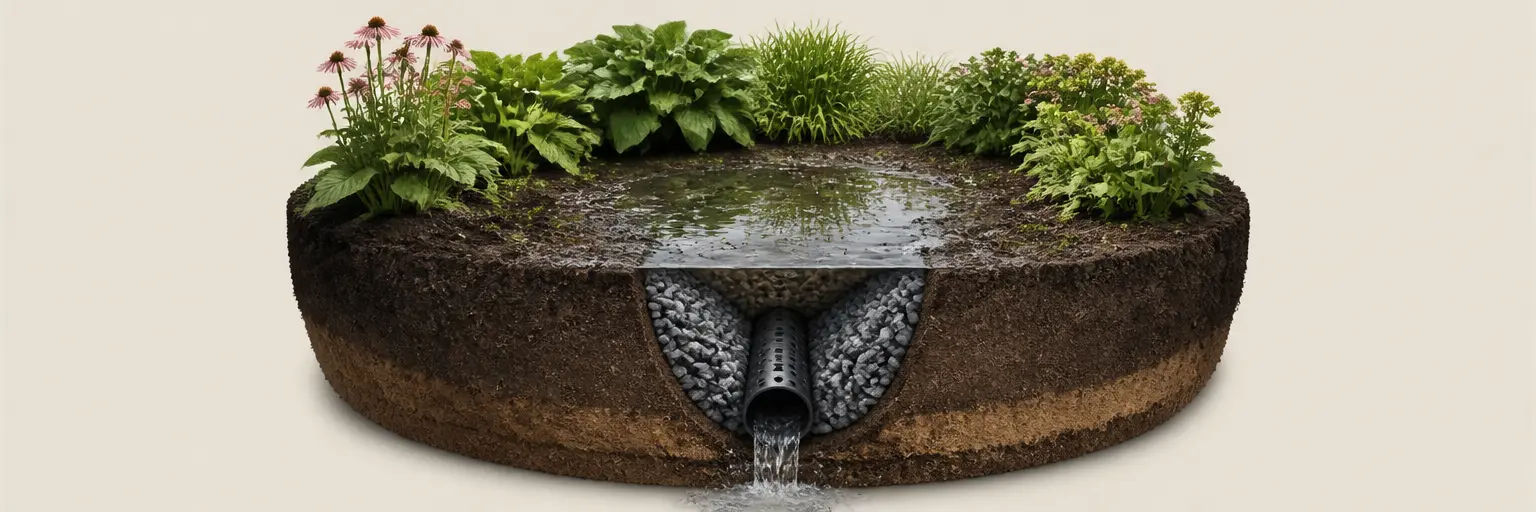
The Water Percolation Test: A Simple Guide to Drainage Assessment
🌿 Discover practical, eco-friendly solutions for poor garden drainage and help your fruits, vegetables, and herbs thrive. Learn how to identify waterlogged soil, improve drainage naturally with compost and organic matter, create raised beds, and protect plant roots from rot—all while using sustainable techniques suited to home gardening. 💧 Cultivate healthier soil, prevent standing water, and grow a more productive garden with expert troubleshooting tips from CultivateYourFood.
6 articles
Planting for Drainage: Selecting Plants That Thrive in Wet Soil
Clay Soil Woes: How to Improve Drainage in Heavy Soil
Mulching for Drainage: Benefits and Best Practices
Creating a Bog Garden: Embracing the Wet Conditions
Creating a Swale: A Natural Way to Manage Excess Water
🌧️ Dealing with Poor Drainage in Your Garden
Welcome to the Dealing with Poor Drainage in Your Garden subcategory at CultivateYourFood, your practical resource for diagnosing and resolving waterlogged soil, standing water, root rot, and other garden drainage problems. Discover sustainable, organic solutions for improving soil structure, protecting fruit, vegetable, and herb plants, and creating a healthier growing environment without relying on harsh chemicals. Whether you are managing heavy clay soil, compacted beds, low-lying areas, or poorly draining containers, our guidance helps you build productive garden beds that support strong roots and reliable harvests.
💧 Identifying Garden Drainage Problems
Learn how to recognize the most common signs of poor garden drainage, including puddles that remain after rain, constantly wet soil, yellowing leaves, stunted growth, wilting despite adequate moisture, and unpleasant soil odors. You will discover how to assess drainage by observing your garden after rainfall, checking soil texture, and performing simple percolation tests.
Our troubleshooting advice explains the difference between overwatering and naturally waterlogged soil, helping you identify whether the problem comes from irrigation habits, compacted ground, heavy clay, blocked drainage routes, or an unsuitable planting location. Early diagnosis can prevent root damage and improve plant health.
🌱 Improving Soil Drainage Naturally
Explore organic methods for improving drainage, including adding mature compost, well-rotted organic matter, leaf mold, and other soil-building materials. These amendments can improve soil structure, increase airflow around roots, and help excess water move through the growing medium more effectively.
You will also learn why simply adding sand is not always the best solution for clay soil and how balanced soil preparation supports both drainage and moisture retention. Healthy soil structure is essential for growing vegetables, herbs, fruits, and beneficial microorganisms in a sustainable home garden.
🪴 Fixing Drainage in Raised Beds and Containers
Raised beds and containers can develop drainage issues when they are placed on compacted surfaces, filled with unsuitable soil, or built without adequate drainage routes. This section provides guidance on choosing a well-draining soil mix, positioning beds correctly, and ensuring that excess water can escape safely.
For container gardening, discover how to select pots with drainage holes, avoid blocked outlets, use appropriate potting mixes, and prevent plants from sitting in water-filled saucers. These practical steps help protect potted tomatoes, peppers, herbs, strawberries, and other edible crops from root rot.
🛠️ Garden Drainage Solutions for Heavy Rain
Learn how to manage rainfall with sustainable garden drainage solutions such as swales, rain gardens, French drains, gravel channels, and carefully planned planting areas. These methods can redirect or absorb excess water while reducing erosion and protecting fertile soil.
You will find ideas for capturing rainwater responsibly, slowing runoff, and designing garden paths and beds that remain functional during wet weather. Water management planning can make your garden more resilient while supporting conservation and organic growing practices.
🌿 Choosing Plants for Wet or Poorly Drained Soil
Some plants tolerate damp conditions better than others, making plant selection an important part of garden troubleshooting. Discover how to choose suitable edible crops, herbs, ornamental companions, and moisture-tolerant plants for areas where drainage improvements may take time.
Our content also explains how to match plants to sunlight, soil moisture, and local climate rather than forcing crops into unsuitable locations. Selecting the right plants can reduce disease pressure, improve garden productivity, and create a more balanced growing space.
🦠 Preventing Root Rot and Soil-Related Diseases
Excess moisture creates favorable conditions for root rot, fungal diseases, mold, and weakened plant growth. Learn how poor drainage affects oxygen availability around roots and why constantly saturated soil can prevent plants from absorbing nutrients effectively.
Discover organic prevention strategies, including improving airflow, spacing plants correctly, watering at the soil level, removing damaged roots, and using clean tools and healthy planting material. These practices help protect homegrown food without depending on unnecessary chemical treatments.
❓ Frequently Asked Questions About Poor Garden Drainage
Why is my garden soil staying wet for so long?
Soil may remain wet because of heavy clay, compaction, poor grading, excessive irrigation, a high water table, or a low-lying garden location. Check how quickly water drains after rainfall and inspect whether the soil has a dense, sticky texture. Adding organic matter, reducing compaction, and improving the garden’s layout can often help.
Does adding sand improve drainage in clay soil?
Adding a small amount of sand to heavy clay can sometimes make the soil denser and more difficult to work. A better approach is usually to add generous amounts of mature compost and organic matter, avoid walking on wet beds, and gradually improve soil structure over time.
How can I improve drainage without using chemicals?
Use organic solutions such as compost, leaf mold, mulch, raised beds, rain gardens, swales, and French drains. Adjust watering practices, direct downspouts away from planting areas, and choose plants suited to your soil conditions. These methods improve drainage naturally while supporting sustainable gardening.
Can overwatering cause poor drainage and root rot?
Yes. Watering too frequently can keep the root zone saturated, especially in heavy soil or containers without sufficient drainage holes. Allow the surface to dry according to the plant’s needs, water deeply but less often, and confirm that excess water can escape from the bed or pot.
What vegetables grow well in damp soil?
Many vegetables prefer well-drained soil, but some crops can tolerate consistently moist conditions better than others. Before planting, assess the severity of the drainage problem and improve the site whenever possible. Use raised beds or containers for crops that are especially sensitive to waterlogged roots, including many root vegetables and Mediterranean herbs.