
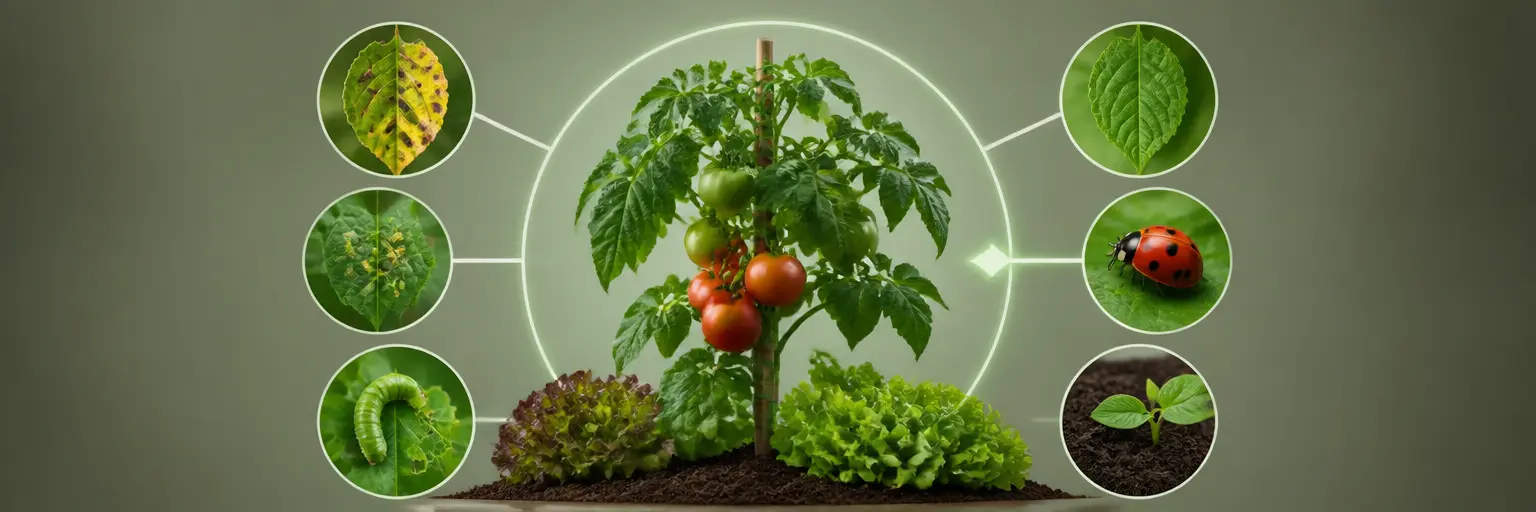
What You Should Know About Vegetable Garden Problems
Tackle common vegetable garden problems with confidence 🌱 Discover practical, organic solutions for pests, diseases, poor growth, yellowing leaves, watering issues, and nutrient deficiencies. Learn sustainable troubleshooting techniques to restore healthy plants, improve harvests, and cultivate a thriving home garden naturally with CultivateYourFood.
8 articles
My Vegetables Are Not Growing: Identifying the Issue
Poor Drainage? Solutions for Improving Water Flow in Your Garden
Natural Pest Control: How to Protect Your Garden from Common Invaders
Dealing with Beetles: Organic Strategies to Protect Your Vegetable Plants
Animal Intruders: Keeping Wildlife Out of Your Vegetable Garden
Poor Pollination: Ensuring Successful Fruit Set in Your Garden
Common Vegetable Garden Myths Debunked
🌱 Common Vegetable Garden Problems and Solutions
Welcome to Common Vegetable Garden Problems and Solutions from CultivateYourFood, your practical resource for diagnosing and fixing vegetable garden issues using sustainable, organic methods. Whether you are growing tomatoes, peppers, cucumbers, leafy greens, root vegetables, or herbs, this troubleshooting guide helps you identify common gardening problems and take effective action. Learn how to manage yellow leaves, wilting plants, poor growth, insect pests, plant diseases, nutrient deficiencies, watering problems, and low yields while protecting soil health and beneficial garden wildlife.
🔍 Identify Vegetable Garden Problems Quickly
Successful garden troubleshooting begins with careful observation. Changes in leaf color, plant shape, growth rate, flowering, or fruit development can reveal problems related to watering, sunlight, soil quality, temperature, pests, or disease. This subcategory explains how to read visible symptoms and connect them with likely causes.
Expect practical guidance for distinguishing similar issues, such as overwatering versus underwatering, nutrient deficiency versus plant disease, and insect damage versus weather stress. With a systematic approach, you can solve vegetable garden problems before they spread throughout your growing space.
💧 Fix Watering, Drainage, and Wilting Issues
Incorrect watering is one of the most common causes of unhealthy vegetable plants. Discover how to correct overwatering, underwatering, root rot, poor drainage, dry soil, and moisture stress using sustainable watering habits. Learn when to water, how deeply to irrigate, and how mulch can help maintain consistent soil moisture.
Readers can also learn how to improve raised beds, containers, and in-ground garden soil so roots receive both moisture and oxygen. These solutions support stronger root systems, healthier plants, and more reliable harvests while reducing water waste.
🐛 Manage Common Garden Pests Organically
From aphids and caterpillars to flea beetles, slugs, squash bugs, and spider mites, insect pests can quickly damage vegetable crops. This section covers how to recognize common garden pest damage, inspect plants effectively, and choose organic control methods that are appropriate for home gardens.
Expect advice on hand-picking pests, using row covers, encouraging beneficial insects, improving garden sanitation, and applying natural treatments responsibly. The focus is on integrated pest management, helping you control damaging insects without unnecessarily harming pollinators, earthworms, or other helpful organisms.
🍃 Prevent and Treat Vegetable Plant Diseases
Vegetable diseases can appear as spotted leaves, powdery coatings, mold, yellowing, stunted growth, or rotting fruit. Learn how to troubleshoot common problems such as powdery mildew, downy mildew, blight, damping-off, blossom-end rot, and fungal leaf spots.
This guidance emphasizes prevention through crop rotation, proper spacing, clean tools, healthy soil, resistant varieties, and careful watering. Readers will also discover when to remove infected plant material and how to use organic disease-management practices to reduce reinfection.
🌿 Solve Yellow Leaves and Nutrient Deficiencies
Yellow leaves, purple foliage, weak stems, and slow growth may indicate a nutrient imbalance, unsuitable soil pH, compacted soil, or damaged roots. This section helps gardeners understand common deficiencies involving nitrogen, phosphorus, potassium, iron, magnesium, and calcium without relying on guesswork.
Learn how to improve fertility with compost, aged organic matter, balanced organic fertilizers, and soil testing. The recommended solutions support long-term soil health instead of excessive feeding, helping vegetables grow vigorously while protecting waterways from nutrient runoff.
☀️ Improve Sunlight, Temperature, and Plant Growth
Vegetables need the right combination of sunlight, warmth, airflow, and growing space. Find solutions for leggy seedlings, bolting lettuce, poor flowering, sunscald, heat stress, frost damage, and plants that fail to thrive. These troubleshooting tips are useful for both beginners and experienced gardeners.
Readers can expect strategies such as choosing suitable planting locations, hardening off seedlings, using shade cloth, protecting crops from cold weather, and selecting varieties suited to the local climate. Better growing conditions can improve plant resilience, flowering, fruit production, and harvest quality.
🥕 Restore Poor Harvests and Low Production
When plants look healthy but produce few vegetables, the cause may be poor pollination, overcrowding, excessive nitrogen, insufficient sunlight, irregular watering, or incorrect pruning. Learn how to diagnose low vegetable yields, blossom drop, misshapen produce, small fruits, and poor germination.
Practical recommendations cover spacing, pollinator support, succession planting, harvesting at the correct stage, and choosing crops that match your available growing conditions. These methods help maximize productivity while maintaining an organic and sustainable vegetable garden.
❓ Frequently Asked Questions About Vegetable Garden Problems
Why are my vegetable plant leaves turning yellow?
Yellow leaves may result from overwatering, underwatering, poor drainage, low nitrogen, root damage, pests, or disease. Check the soil moisture, inspect the underside of leaves, and examine the roots if possible. A soil test can help confirm nutrient problems before applying organic fertilizer.
How can I control garden pests without chemical pesticides?
Use integrated pest management methods such as regular inspections, hand-picking, insect netting, crop rotation, mulch, and habitat for beneficial insects. Organic soaps or horticultural oils may help when used according to their labels. Always avoid spraying flowering plants when pollinators are active.
What is the best way to prevent vegetable plant diseases?
Prevent disease by providing good airflow, watering at the soil level, avoiding overcrowding, removing infected leaves, cleaning tools, and rotating crop families. Start with healthy seeds or seedlings and choose disease-resistant varieties whenever available.
Why are my vegetable plants wilting even though the soil is wet?
Wilting in wet soil can indicate root rot, compacted soil, poor drainage, heat stress, or vascular disease. Check whether water is pooling around the roots and look for dark, soft, or damaged roots. Improve drainage and avoid repeated watering until the underlying cause is understood.
How can compost help solve common garden problems?
Finished compost improves soil structure, moisture retention, drainage, microbial activity, and gradual nutrient availability. Mix it into poor soil or use it as a surface mulch, but avoid applying unfinished compost directly around young plants because it may contain weed seeds or temporarily affect plant growth.