
The Right Time to Fertilize: Understanding Plant Growth Cycles
🌱 Learn how to spot and correct common plant nutrient deficiencies with practical, organic gardening solutions. Identify signs such as yellowing leaves, stunted growth, or poor fruit production, then restore plant health using compost, natural fertilizers, soil testing, and sustainable growing practices. Whether you’re cultivating vegetables, fruits, or herbs at home, discover effective ways to improve soil fertility and support stronger, healthier harvests. Grow confidently with eco-friendly nutrient management tips!
6 articles
The Secret to Lush Leafy Greens: Addressing Nutrient Deficiencies
The Importance of Crop Rotation for Nutrient Management
Mycorrhizal Fungi: The Secret Weapon for Nutrient Absorption
Is Your Soil Lacking? Quick Tests for Nutrient Deficiencies at Home
The pH Puzzle: How Soil Acidity Affects Nutrient Availability
🌱 Identifying and Fixing Nutrient Deficiencies in Home Gardens
Welcome to CultivateYourFood’s Identifying and Fixing Nutrient Deficiencies subcategory, your practical resource for diagnosing unhealthy plants and restoring garden soil naturally. Learn how to recognize common nutrient deficiency symptoms, including yellow leaves, purple foliage, leaf curling, poor flowering, stunted growth, and weak fruit production. Our guides explain how nitrogen, phosphorus, potassium, calcium, magnesium, iron, sulfur, and micronutrient deficiencies affect fruits, vegetables, and herbs, while showing you how to correct problems using organic fertilizers, compost, mulch, cover crops, and sustainable soil-building techniques.
🔍 Recognizing Common Plant Nutrient Deficiency Symptoms
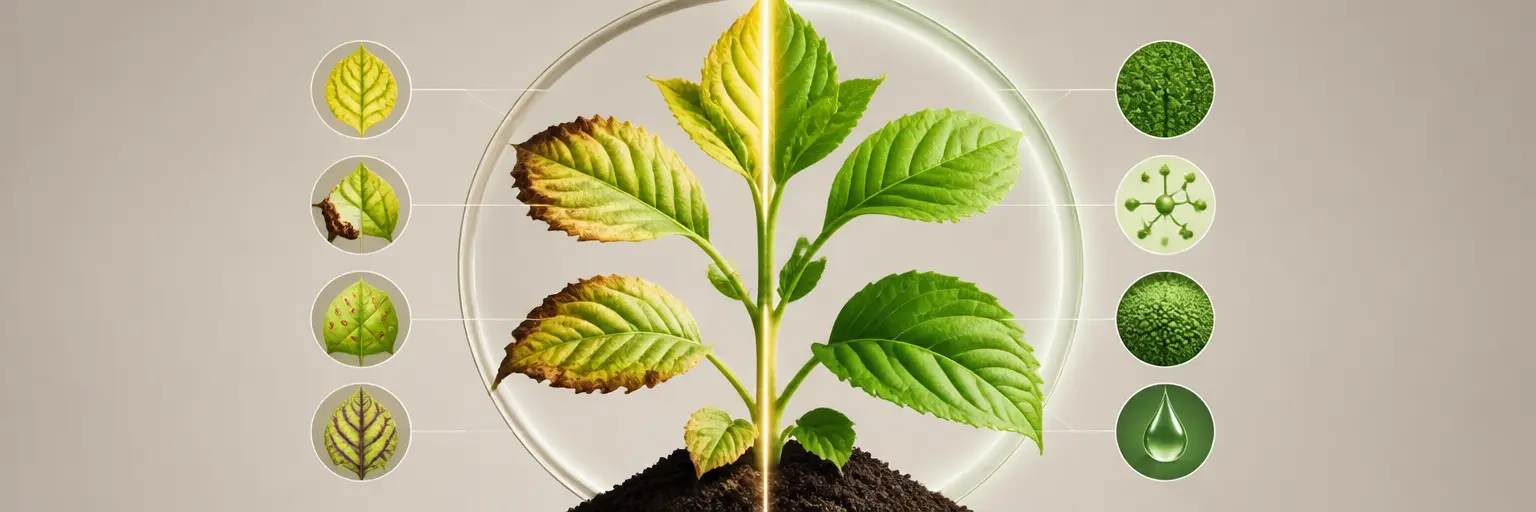
Healthy plants communicate their needs through their leaves, stems, roots, flowers, and fruit. In this section, you will learn how to identify visual signs such as yellowing leaves, pale new growth, brown leaf edges, purple leaves, distorted foliage, slow growth, and poor harvests. Clear explanations help you determine whether a problem is caused by nitrogen deficiency, iron deficiency, magnesium deficiency, potassium deficiency, or another nutritional imbalance.
Because nutrient symptoms can resemble overwatering, underwatering, pest damage, disease, or poor lighting, our troubleshooting advice encourages careful observation. You can expect practical checklists for comparing older leaves with newer leaves, examining soil conditions, and identifying whether symptoms appear across the whole plant or only in specific areas.
🧪 Testing Garden Soil Before Adding Fertilizer
Accurate soil testing is one of the best ways to diagnose nutrient deficiencies in a vegetable garden. Discover how to collect a representative soil sample, understand pH results, and interpret key readings for nitrogen, phosphorus, potassium, calcium, magnesium, and organic matter. Testing helps prevent unnecessary fertilizer use and supports balanced, environmentally responsible garden care.
You will also learn why soil pH affects nutrient availability. Even when nutrients are present, plants may be unable to absorb them if the soil is too acidic or alkaline. Our guides explain how compost, lime, sulfur, organic amendments, and improved drainage can help create conditions where nutrients become more accessible to edible plants.
🌿 Correcting Nitrogen, Phosphorus, and Potassium Deficiencies
Nitrogen, phosphorus, and potassium are the primary macronutrients required for vigorous plant growth. Learn how nitrogen deficiency can cause pale or yellow older leaves, how phosphorus deficiency may lead to slow development and purple coloration, and how potassium deficiency can produce scorched leaf edges, weak stems, and reduced fruit quality.
Expect practical recommendations for correcting these deficiencies with finished compost, aged manure, organic plant fertilizers, compost tea used responsibly, bone meal alternatives, kelp products, and mineral amendments. Each solution emphasizes correct application rates and timing so you can improve plant health without causing fertilizer burn, nutrient runoff, or excessive foliage growth.
🥬 Fixing Calcium, Magnesium, Iron, and Micronutrient Problems
Secondary nutrients and micronutrients are needed in smaller amounts, but they are essential for strong cell walls, chlorophyll production, root development, flowering, and fruit formation. This section covers common signs of calcium deficiency, magnesium deficiency, iron deficiency, sulfur deficiency, and trace element imbalances in tomatoes, peppers, cucumbers, leafy greens, beans, berries, and herbs.
Learn why symptoms such as blossom-end rot may involve inconsistent watering and root stress rather than a simple lack of calcium. Our content explains how to improve nutrient uptake through steady watering, healthy roots, proper soil pH, adequate organic matter, and good soil structure, while avoiding quick fixes that may create further imbalances.
🍅 Nutrient Deficiencies in Fruits, Vegetables, and Herbs
Different crops show nutrient problems in different ways. Explore crop-specific troubleshooting for tomato plants, pepper plants, leafy greens, squash, cucumbers, carrots, potatoes, strawberries, fruit trees, basil, parsley, rosemary, mint, and other home-grown foods. You will find guidance for connecting symptoms with each plant’s growth stage and nutritional requirements.
These resources help gardeners distinguish between normal seasonal changes and genuine nutrient deficiencies. Whether seedlings are stunted, vegetable leaves are turning yellow, herbs are producing weak growth, or fruiting plants are failing to bloom, you can follow practical steps to diagnose the cause and select an appropriate organic solution.
♻️ Building Fertile Soil with Sustainable Organic Practices
The best long-term solution to nutrient deficiency is healthy, living soil. Learn how composting, crop rotation, mulching, cover crops, worm castings, green manures, and reduced soil disturbance can improve fertility and support beneficial microorganisms. These methods steadily release nutrients while improving moisture retention, drainage, and root development.
Our sustainable gardening advice focuses on preventing recurring deficiencies rather than relying only on fast-acting products. By recycling kitchen scraps into compost, using organic mulch, protecting soil from erosion, and feeding the soil throughout the growing season, you can create a resilient garden that supports abundant harvests with fewer synthetic inputs.
❓ Frequently Asked Questions About Plant Nutrient Deficiencies
Why are my plant leaves turning yellow?
Yellow leaves may indicate nitrogen deficiency, overwatering, poor drainage, root damage, insufficient light, or natural leaf aging. Check whether yellowing begins on older or newer leaves, inspect the soil moisture, and look for pests or disease before applying fertilizer. A soil test can help confirm whether a nutrient deficiency is present.
How can I tell the difference between nutrient deficiency and overwatering?
Overwatered plants often have consistently wet soil, limp growth, root problems, and yellow leaves that may drop. Nutrient deficiencies usually produce recognizable patterns, such as yellowing between leaf veins or discoloration that begins on older leaves. Improving drainage and checking soil moisture before fertilizing is an important first step.
What is the best organic fertilizer for nutrient deficiencies?
There is no single best fertilizer for every deficiency. Finished compost and well-balanced organic fertilizers are useful for general soil improvement, while specific amendments may help address confirmed nutrient problems. Always test the soil when possible and follow product directions to avoid over-fertilizing or disturbing the soil’s nutrient balance.
Can compost fix all plant nutrient deficiencies?
Compost supplies a broad range of nutrients and improves soil structure, microbial activity, and moisture retention, but it may not correct every deficiency quickly. Severe problems involving pH, iron, calcium, or specific micronutrients may require additional amendments and better watering or drainage. Use compost as part of a complete soil-care strategy.
How long does it take to correct a plant nutrient deficiency?
Recovery time depends on the nutrient involved, plant age, soil conditions, and the severity of the problem. Some plants show improvement within several days after the cause is corrected, while others need weeks to produce healthy new growth. Avoid applying repeated fertilizer doses too quickly; monitor new leaves and overall plant vigor instead.