
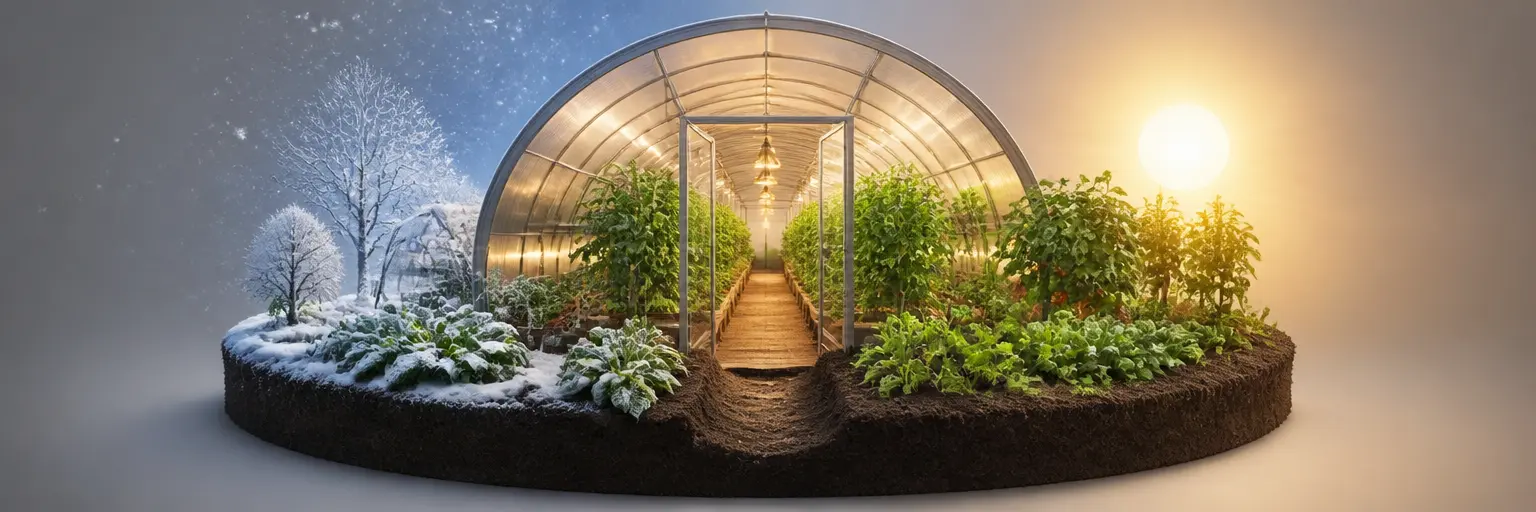
Planning Your Garden for a Continuous Harvest
🌱 Extend your growing season and enjoy fresh, homegrown produce for longer with practical, sustainable techniques from CultivateYourFood. Discover how row covers, cold frames, greenhouses, season-extending crops, and frost protection can help safeguard plants, improve harvests, and make the most of every growing month—naturally and organically.
7 articles
Extending the Tomato Season: Tips for a Longer Harvest
How to Choose the Right Cover Crops for Season Extension
Cloche Gardening: Simple and Effective Season Extension
The Art of Fall Planting: Extending Your Harvest into Autumn
Using a Rain Barrel to Extend the Growing Season
Extending the Growing Season with DIY Techniques
🌱 Extending the Growing Season with Advanced Gardening Techniques
Welcome to Extending the Growing Season, an advanced gardening resource from CultivateYourFood. Discover practical, sustainable, and organic methods for growing fruits, vegetables, and herbs beyond the traditional planting calendar. Learn how to protect plants from frost, start seeds earlier, continue harvesting into autumn, and keep productive crops growing through winter. With the right season extension techniques, home gardeners can enjoy more abundant harvests, healthier plants, and a longer supply of homegrown food.
🌤️ Season Extension Planning for Productive Home Gardens
Successful season extension begins with understanding your local climate, frost dates, growing zone, microclimates, and crop requirements. This subcategory explains how to use first and last frost dates, soil temperature, daylight changes, and weather forecasts to create a more effective planting schedule for your garden.
Readers can expect practical guidance for planning succession planting, choosing cold-tolerant vegetables, and organizing spring, summer, autumn, and winter crops. These strategies help maximize garden space while reducing empty beds and increasing the total amount of food harvested throughout the year.
🧊 Frost Protection for Vegetables, Herbs, and Fruits
Unexpected frost can damage tender seedlings, flowering plants, and mature crops. Learn how to protect a vegetable garden with floating row covers, frost cloth, cloches, blankets, water-filled containers, and other low-cost solutions suitable for sustainable home gardening.
This section also explains when to cover plants, how to secure protective materials, and when covers should be removed to prevent overheating or poor air circulation. You will find helpful advice for safeguarding tomatoes, peppers, cucumbers, basil, fruit trees, leafy greens, and other frost-sensitive plants.
🏡 Cold Frames, Hoops, and Mini Greenhouses
Cold frames, low tunnels, hoop houses, and mini greenhouses create sheltered growing environments that retain warmth and protect crops from wind, frost, and heavy rain. Explore how these structures can help gardeners start seedlings earlier in spring and continue harvesting later in autumn.
Readers will learn about suitable materials, ventilation, placement, insulation, and temperature management. These season extension structures are especially useful for growing lettuce, spinach, radishes, carrots, kale, herbs, and other cool-season crops in a productive organic garden.
🌡️ Using Greenhouses to Grow for Longer
A greenhouse can extend the growing season by providing a more stable environment for seedlings, vegetables, herbs, and container plants. This section covers greenhouse placement, sunlight exposure, ventilation, humidity control, winter protection, and efficient use of interior growing space.
Discover how to choose between a small backyard greenhouse, portable greenhouse, lean-to structure, or DIY greenhouse design. You will also find tips for maintaining healthy plants without relying on unnecessary chemicals, including clean growing practices, natural pest control, and proper watering.
🌿 Mulching, Soil Warmth, and Root Protection
Healthy soil plays an important role in extending the growing season. Organic mulch such as straw, shredded leaves, compost, grass clippings, and aged wood chips can moderate soil temperature, conserve moisture, suppress weeds, and protect plant roots from sudden cold.
Learn how to apply mulch at the right time and depth for different crops. This section also explores compost-enriched soil, raised beds, dark containers, and other methods for warming the root zone naturally while supporting soil organisms and long-term garden fertility.
🍂 Growing and Harvesting Through Autumn
Autumn gardening can provide abundant harvests when summer crops begin to decline. Discover how to plant cool-season vegetables such as kale, spinach, arugula, Swiss chard, broccoli, cabbage, peas, carrots, beets, and winter radishes for late-season production.
Readers can learn how to calculate planting dates, protect young seedlings, and harvest crops gradually for improved flavor and freshness. With thoughtful planning, an autumn garden can remain productive well after the first light frosts.
❄️ Winter Gardening and Cold-Hardy Crops
Winter does not have to mean the end of gardening. Cold-hardy crops, insulated beds, protected tunnels, and winter sowing methods can help maintain a supply of fresh vegetables during colder months. Explore techniques for growing and harvesting crops in mild, cool, and challenging climates.
This section includes guidance on overwintering onions, garlic, carrots, leeks, kale, spinach, parsley, and perennial herbs. You will also learn how to protect plants from freezing temperatures, excessive moisture, snow, and winter wind using organic and environmentally responsible methods.
🌱 Starting Seeds Earlier in Spring
Starting seeds indoors or under protection gives gardeners a valuable head start on the growing season. Learn how to provide adequate light, warmth, moisture, airflow, and hardening-off time so seedlings transition successfully into outdoor garden beds.
Readers will discover which crops benefit most from early sowing, when to transplant seedlings, and how to avoid common problems such as leggy growth, damping off, transplant shock, and poor germination. These methods support stronger plants and earlier harvests without depending on synthetic inputs.
🌾 Extending Harvests with Succession Planting
Succession planting involves sowing or transplanting crops at regular intervals so that new plants mature as earlier crops are harvested. This advanced technique helps prevent gluts, keeps garden beds productive, and provides a steady supply of fresh food.
Find practical succession planting examples for lettuce, radishes, beans, peas, carrots, beets, herbs, and other quick-growing crops. You will also learn how to combine succession planting with intercropping, crop rotation, and organic soil care for better year-round garden performance.
❓ Frequently Asked Questions About Extending the Growing Season
🌡️ What is the best way to extend the growing season?
The best method depends on your climate, available space, and crops. Combining early seed starting, frost protection, mulch, succession planting, and season extension structures often provides the most reliable results. Floating row covers and cold frames are affordable options for many home gardeners.
🧊 How can I protect plants from unexpected frost?
Cover plants with frost cloth, floating row covers, overturned containers, or breathable blankets before temperatures fall. Secure covers to the ground and remove them in the morning when temperatures rise. Avoid placing plastic directly on foliage because it can trap moisture and cause cold damage.
🌱 Which vegetables are best for a longer growing season?
Cool-season crops are excellent choices, including kale, spinach, lettuce, arugula, broccoli, cabbage, carrots, beets, peas, leeks, and Swiss chard. In protected areas, gardeners can also extend the production of tomatoes, peppers, cucumbers, and herbs.
🏡 Is a greenhouse necessary for year-round gardening?
A greenhouse is helpful but not essential. Cold frames, low tunnels, cloches, raised beds, heavy mulch, and indoor seed starting can extend the growing season effectively. Choose a method based on your local frost conditions, garden size, budget, and the crops you want to grow.
🍂 When should I plant an autumn or winter garden?
Work backward from the average first frost date and consider each crop’s days to maturity. Many autumn crops should be planted during summer so they mature before severe cold arrives. Cold-hardy vegetables can often be planted later and protected with row covers, tunnels, or mulch for winter harvesting.