
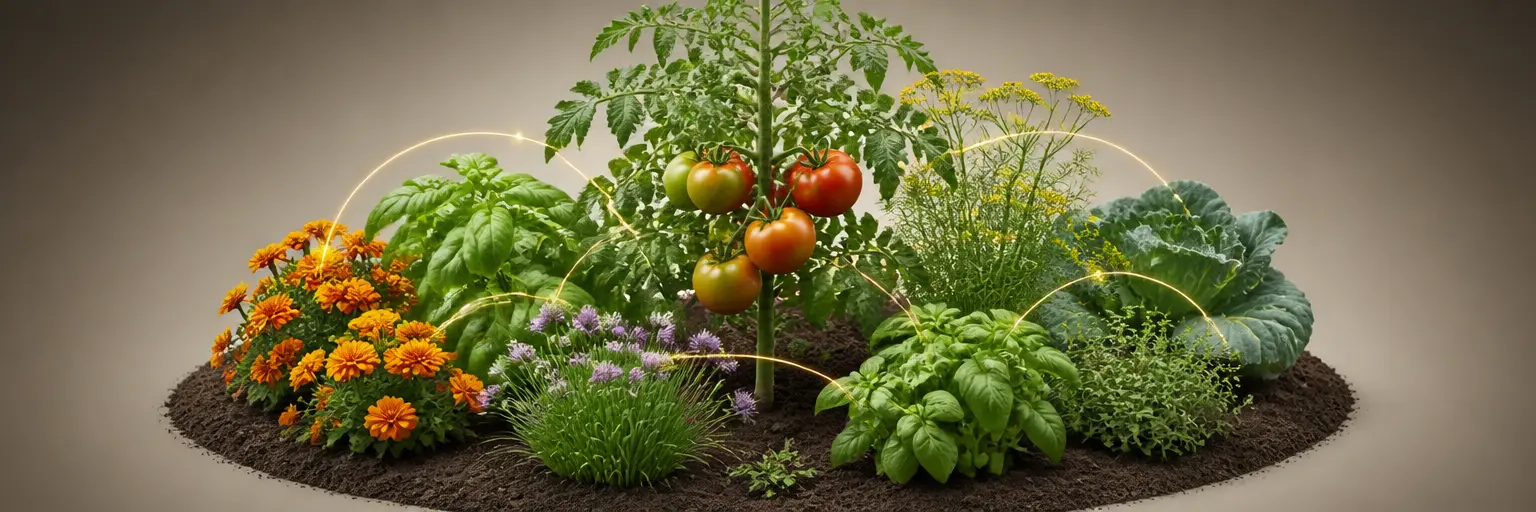
The Best Flowers for Companion Planting: Attracting Beneficial Insects
Discover companion planting strategies to create a healthier, more productive organic garden 🌿 Pair fruits, vegetables, and herbs that support one another, attract beneficial insects, improve soil health, and naturally discourage pests. Explore sustainable planting combinations and practical garden planning tips to maximize space, strengthen plant growth, and cultivate thriving harvests at home.
8 articles
Companion Planting for Disease Prevention: A Proactive Approach
Companion Planting: How to Use Companion Plants for a DiseaseFree Garden
Companion Planting: The Best Plant Combinations for Beginners
Companion Planting for Pollinator Attraction: Boost Your Garden's Ecosystem
Companion Planting for Large Gardens: Scaling Up Your Success
Unlocking Garden Potential: The Power of Companion Planting
Companion Planting for Vertical Gardens: Maximizing Space and Yield
🌱 Companion Planting Strategies for Advanced Organic Gardening
Discover proven companion planting strategies designed to help home gardeners grow healthier fruits, vegetables, and herbs naturally. This advanced gardening subcategory from CultivateYourFood explores how plant combinations can improve garden productivity, attract beneficial insects, support soil health, and reduce common pest problems without relying on synthetic chemicals. Whether you are planning a raised bed, vegetable garden, container garden, or sustainable food-growing space, these practical organic gardening techniques can help you make better use of every planting area.
🌿 Build Productive Plant Partnerships
Learn how compatible crops can support one another through shade, nutrient sharing, improved pollination, and natural pest management. Our companion planting guides explain useful combinations for tomatoes, peppers, cucumbers, carrots, beans, leafy greens, herbs, and other popular homegrown crops. Strategic plant placement can help create a more balanced garden ecosystem while maximizing available space.
Readers can expect clear recommendations based on growing conditions, plant height, root structure, water needs, and seasonal timing. You will also discover how to avoid overcrowding and choose plant partners that have similar sunlight, soil, and moisture requirements, making companion planting more successful for beginners and experienced organic gardeners alike.
🐞 Attract Beneficial Insects and Pollinators
Explore ways to use flowering herbs and companion plants to attract bees, butterflies, ladybugs, lacewings, and other helpful garden insects. Pollinator-friendly plants such as basil, dill, calendula, borage, yarrow, and alyssum can support fruit production while increasing biodiversity throughout your vegetable garden.
These resources show how to create insect-friendly planting zones near edible crops without sacrificing productivity. Encouraging beneficial insects is an important natural pest control strategy that can reduce dependence on chemical pesticides and contribute to a healthier, more resilient organic garden.
🪲 Reduce Garden Pests Naturally
Find practical companion planting methods for managing aphids, cabbage worms, tomato hornworms, beetles, whiteflies, and other common garden pests. Certain aromatic herbs and flowers may help confuse pests, provide habitat for predators, or act as trap crops that draw insects away from valuable vegetables.
Our advanced gardening content also explains the limits of pest-repelling plants and why successful pest control requires more than simply placing one plant beside another. Combine companion planting, crop rotation, healthy soil, physical barriers, hand-picking, and regular inspection for a more dependable organic pest management plan.
🥕 Plan Companion Planting for Vegetables and Herbs
Learn how to design productive combinations for common home garden crops, including tomatoes with basil, carrots with onions, lettuce with radishes, beans with corn, and cucumbers with dill. You will find ideas for integrating culinary herbs, edible flowers, and vegetables into raised beds, kitchen gardens, and small-space growing systems.
Detailed planning advice can help you coordinate plant spacing, succession planting, harvest periods, and crop heights. Thoughtful companion planting layouts make it easier to grow a wider variety of fresh food while improving airflow, simplifying maintenance, and reducing wasted garden space.
🌍 Improve Soil Health and Sustainable Garden Design
Companion planting works best when it is part of a complete sustainable gardening system. Learn how legumes can contribute nitrogen to the soil, how deep-rooted plants can access different soil layers, and how ground covers can help protect moisture and reduce weed growth. These strategies complement composting, mulching, organic fertilizing, and no-dig gardening methods.
Readers will also learn how to create diverse planting arrangements that support long-term garden health. Healthy soil, plant diversity, and responsible watering can improve crop performance and help your garden remain productive through changing weather and seasonal challenges.
❓ Frequently Asked Questions About Companion Planting
🌱 What is companion planting?
Companion planting is the practice of growing different plant species together because they may provide mutual benefits. These benefits can include improved pollination, natural pest management, shade, soil support, better use of space, and increased garden biodiversity. Results vary depending on plant varieties, climate, soil, and garden care.
🍅 What are the best companion plants for tomatoes?
Popular tomato companions include basil, parsley, marigolds, nasturtiums, carrots, and lettuce. Basil and flowers can help attract pollinators and beneficial insects, while low-growing crops may use space beneath tomato plants. Always provide tomatoes with adequate sunlight, airflow, support, and room to grow.
🧅 Can companion planting prevent all garden pests?
No. Companion planting can support a broader organic pest management plan, but it does not guarantee complete pest prevention. For best results, combine plant diversity with crop rotation, healthy soil, garden monitoring, row covers, traps, hand-picking, and other sustainable pest control methods.
📏 How close should companion plants be planted?
Spacing depends on the mature size, root system, sunlight needs, and water requirements of each crop. Follow the spacing recommendations for the primary vegetable and avoid planting companions so densely that they restrict airflow or encourage fungal disease. A well-planned garden balances cooperation with sufficient growing room.
🌼 Are herbs and flowers useful in a vegetable garden?
Yes. Herbs and flowers can attract pollinators and beneficial insects, provide habitat, add biodiversity, and sometimes help distract pests from food crops. Plants such as dill, cilantro, basil, calendula, borage, alyssum, and nasturtiums are popular choices for sustainable home gardens.