
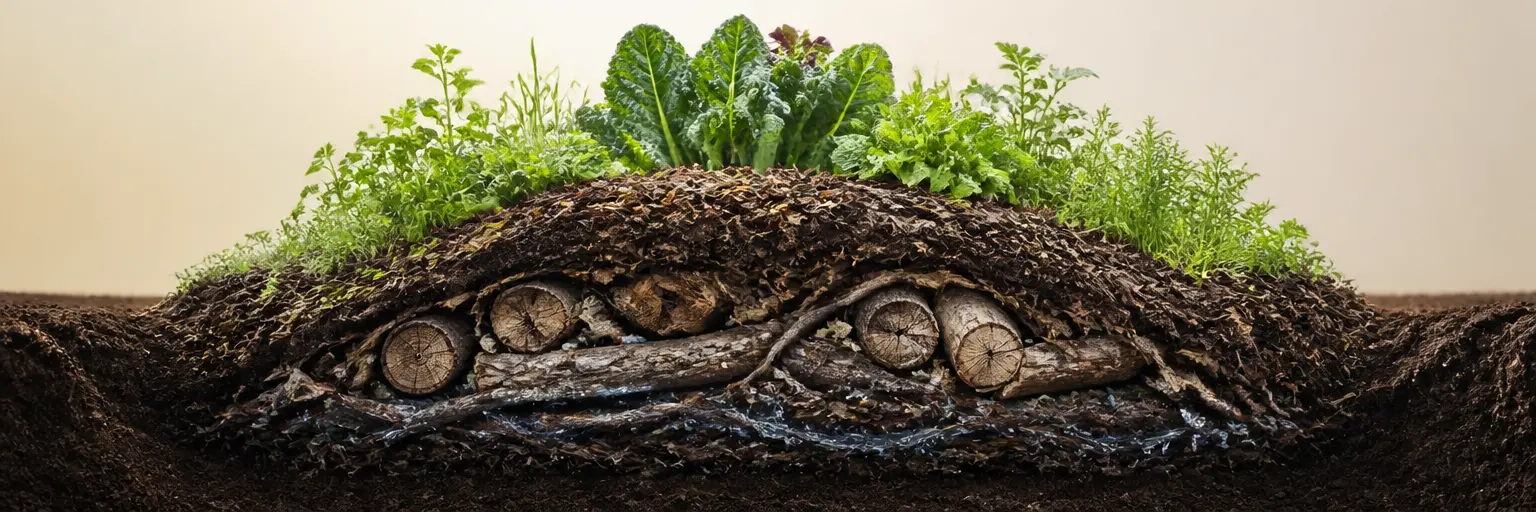
Unlock Soil Fertility with Hugelkultur: A Deep Dive into Raised Bed Magic
Discover hugelkultur for water retention and soil health—a sustainable gardening technique that transforms logs, branches, and organic materials into nutrient-rich raised beds. 🌱 Learn how this eco-friendly method conserves moisture, improves soil structure, supports beneficial microorganisms, and reduces watering needs while creating productive growing spaces for fruits, vegetables, and herbs. 💧♻️ Explore practical tips for building resilient, organic hugelkultur beds at home with CultivateYourFood.
6 articles
Transform Your Yard with Hugelkultur: A StepbyStep Guide to Building a Mound
The Science Behind Hugelkultur: Why Logs and Branches Equal Happy Plants
The Best Time to Build a Hugelkultur Bed: Seasonal Considerations
Hugelkultur and Companion Planting: Maximizing Benefits in Your Garden
Hugelkultur and the Cycle of Life: Understanding Decomposition
🌱 Hugelkultur for Water Retention and Soil Health
Discover how hugelkultur for water retention and soil health can transform your garden into a more resilient, productive, and sustainable growing space. This advanced organic gardening technique uses layered woody materials, compost, leaves, and nutrient-rich soil to create raised planting beds that gradually decompose over time. At CultivateYourFood, you’ll learn how hugelkultur beds support water conservation, soil fertility, natural composting, beneficial microorganisms, and healthier fruit, vegetable, and herb production at home.
💧 Improve Water Retention with Hugelkultur Beds
Hugelkultur is especially valuable for gardeners dealing with dry climates, sandy soil, drought conditions, or limited irrigation. Decomposing logs and branches act like natural sponges, absorbing rainfall and irrigation water before slowly releasing moisture to plant roots. This can reduce watering frequency while helping plants remain hydrated during hot weather.
Explore practical methods for building water-retentive hugelkultur mounds, including how to select untreated wood, arrange materials, shape the bed, and add a thick soil layer. You’ll also learn how slope, mulch, plant spacing, and seasonal rainfall influence moisture management in a hugelkultur garden.
🌿 Build Healthier, More Fertile Soil
Hugelkultur supports long-term soil improvement by combining carbon-rich wood with nitrogen-rich compost, manure, green materials, and organic garden waste. As these materials break down, they contribute organic matter and help create loose, fertile soil with improved structure, drainage, aeration, and nutrient availability.
Readers can expect guidance on balancing carbon and nitrogen materials to prevent slow decomposition or temporary nitrogen competition. Learn how healthy soil biology, earthworms, fungi, bacteria, and decomposers work together to turn a hugelkultur bed into a living ecosystem for strong root development.
🍂 Choose the Best Materials for Hugelkultur
Successful hugelkultur begins with selecting safe, suitable materials. You’ll discover which hardwood logs, small branches, leaves, grass clippings, straw, compost, aged manure, and garden soil can be layered into a productive mound. Proper material selection helps improve decomposition, moisture storage, and nutrient cycling.
This subcategory also explains which materials require caution, including treated lumber, diseased wood, invasive plants, and potentially allelopathic species. By choosing chemical-free and organic materials, you can create a safer growing environment for vegetables, herbs, berries, and other edible plants.
🥕 Grow Fruits, Vegetables, and Herbs in Hugelkultur
Hugelkultur beds can provide an excellent growing environment for many home garden crops. Learn how to match plants with bed conditions, including moisture levels, sun exposure, soil depth, and the changing fertility of a mound as the woody core decomposes.
Expect crop-planning ideas for tomatoes, squash, cucumbers, beans, leafy greens, carrots, strawberries, culinary herbs, and perennial plants. You’ll also find advice on companion planting, root depth, succession planting, and crop rotation to help maintain productivity throughout the growing season.
🌎 Practice Sustainable and Organic Gardening
Hugelkultur is a powerful way to recycle natural resources that might otherwise become waste. Fallen branches, pruned wood, autumn leaves, and kitchen-safe compostable materials can be used to build productive garden beds while reducing reliance on synthetic fertilizers and frequent irrigation.
At CultivateYourFood, you’ll learn how hugelkultur fits into a broader sustainable gardening system that includes composting, rainwater harvesting, organic soil amendments, integrated pest management, and biodiversity. These practices help conserve resources while supporting a more self-sufficient home food garden.
🛠️ Design, Build, and Maintain a Hugelkultur Mound
Get step-by-step information for planning and constructing hugelkultur beds in backyards, allotments, community gardens, and small growing spaces. Topics may include site preparation, mound dimensions, layering techniques, erosion prevention, planting angles, pathways, and selecting the right location for sunlight and drainage.
You’ll also learn how to maintain hugelkultur over several seasons. As the mound settles, adding compost, mulch, and fresh soil can preserve its growing surface. Regular observation helps you manage weeds, moisture, pests, nutrient needs, and the gradual transformation of the bed’s woody core.
❓ Frequently Asked Questions About Hugelkultur for Water Retention and Soil Health
💦 How does hugelkultur retain water?
Hugelkultur retains water because buried logs and branches absorb moisture like a sponge. As the wood decomposes, it gradually releases water into the surrounding soil, helping plant roots access moisture between rainfall or irrigation. Mulch and compost layers can further reduce evaporation.
🌲 What type of wood is best for a hugelkultur bed?
Untreated, disease-free logs and branches are generally suitable. Hardwood often decomposes slowly and provides long-term structure, while smaller branches and softer wood break down more quickly. Avoid painted, chemically treated, contaminated, or visibly diseased wood.
🥕 Can I grow vegetables directly in hugelkultur?
Yes. Cover the woody core with a deep layer of quality compost-rich soil before planting vegetables. Leafy greens, squash, beans, cucumbers, tomatoes, herbs, and many other crops can grow successfully when the bed has adequate moisture, sunlight, and nutrients.
🌱 Does hugelkultur require fertilizer?
Hugelkultur can reduce the need for additional fertilizer as organic materials decompose and release nutrients. However, fresh wood may temporarily compete for nitrogen, so combining it with compost, aged manure, or other nitrogen-rich materials is helpful. Soil testing can guide future amendments.
🪱 How long does a hugelkultur bed last?
The lifespan depends on the wood type, mound size, climate, and moisture conditions. Many hugelkultur beds remain productive for several years, while larger beds built with durable hardwood can continue providing structure and moisture benefits for much longer. Add compost and soil as the mound settles.