
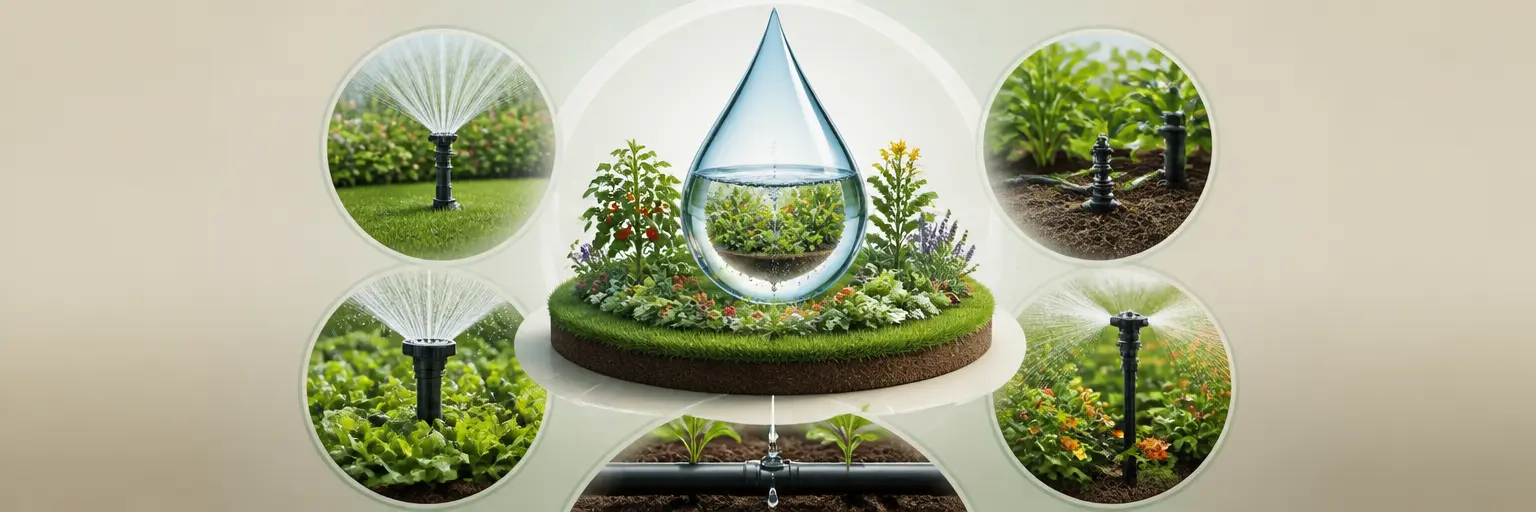
Smart Irrigation Controllers: Optimizing Water Use with Technology
Discover how to choose the right irrigation system for your garden and keep fruits, vegetables, and herbs thriving with less effort 💧🌱. Explore efficient options such as drip irrigation, soaker hoses, sprinklers, and rainwater-friendly solutions designed to conserve water, support sustainable gardening, and deliver moisture where plants need it most. Find practical guidance for matching irrigation methods to your garden size, soil type, climate, and organic growing goals—helping you cultivate a healthier, more productive home garden.
7 articles
Choosing the Right Irrigation System for Loamy Soil: Balanced Watering Approaches
The Future of Irrigation: Innovations in Sustainable Watering Practices
Choosing the Right Irrigation System for Container Gardening: Tips and Tricks
Smart Watering Solutions: Choosing the Right System for Your Garden's Needs
Drip Irrigation vs. Sprinklers: Which is Best for Your CultivateYourFood Garden?
Choosing the Right Irrigation System for Vegetables: Ensuring Optimal Growth
💧 Choosing the Right Irrigation System for Your Garden
Find the best garden irrigation system for growing healthy fruits, vegetables, and herbs at home with less water waste and maintenance. This subcategory from CultivateYourFood explains how to compare drip irrigation, soaker hoses, sprinklers, rainwater systems, timers, and smart watering tools for sustainable and organic gardening. Whether you manage raised beds, container plants, a greenhouse, or a large vegetable garden, you will discover practical ways to deliver consistent moisture directly to plant roots while conserving water and supporting productive growth.
🌱 Compare Garden Irrigation Systems
Explore the advantages and limitations of popular garden watering systems, including drip irrigation kits, soaker hoses, micro-sprinklers, oscillating sprinklers, and hand-watering solutions. Learn which systems work best for rows of vegetables, fruit trees, herb gardens, flower beds, containers, and uneven planting areas.
Our guides help you compare water efficiency, installation, coverage, cost, durability, and maintenance. You can choose irrigation equipment that matches your garden size, soil type, climate, water pressure, and gardening routine without investing in unnecessary gear.
🚿 Drip Irrigation for Vegetables, Herbs, and Fruits
Drip irrigation is an excellent option for gardeners who want precise, efficient watering. Learn how emitters and tubing deliver water slowly to the root zone, reducing evaporation, runoff, and wet foliage that may encourage fungal diseases. This makes drip systems especially useful for tomatoes, peppers, cucumbers, leafy greens, herbs, berries, and raised-bed gardens.
Discover how to plan drip line spacing, select adjustable or pressure-compensating emitters, install filters, and flush the system regularly. With the right setup, a drip irrigation system can promote healthier plants while using less water than many traditional sprinkler methods.
🌾 Soaker Hoses and Low-Cost Watering Solutions
Soaker hoses provide a simple way to water garden beds gradually along their length. They are useful for vegetable rows, perennial borders, compost-adjacent beds, and small organic gardens where gardeners want an affordable alternative to a complete drip irrigation kit.
Learn how to position soaker hoses beneath mulch, avoid excessive water pressure, and check for uneven moisture. These guides explain when a soaker hose is suitable and when drip emitters, sprinklers, or another irrigation method may provide better coverage and control.
⏱️ Irrigation Timers and Smart Garden Watering
Automatic irrigation timers make it easier to maintain consistent watering schedules during busy weeks, hot weather, or vacations. Explore hose-end timers, multi-zone controllers, moisture sensors, rain shutoff devices, and smart irrigation systems that can adjust watering according to weather and soil conditions.
Proper scheduling is essential for sustainable gardening. Find practical advice on watering early in the morning, adjusting run times by season, testing soil moisture, and avoiding overwatering. Smart watering controls can save time and water while helping plants receive moisture when they need it most.
🌧️ Rainwater Harvesting and Sustainable Irrigation
Reduce reliance on treated mains water by learning how to collect and use rainwater for gardens. Discover considerations for rain barrels, storage tanks, filters, overflow protection, pumps, and gravity-fed irrigation systems. Rainwater can be especially valuable for container plants, raised beds, and drought-prone growing areas.
Our sustainable gardening resources also cover safe water storage, mosquito prevention, local regulations, and responsible use around edible crops. Combining rainwater harvesting with drip irrigation and mulch can create an efficient watering strategy for an organic home garden.
🧰 Installation, Maintenance, and Troubleshooting
Choosing an irrigation system is only the beginning. Learn how to measure water pressure, connect hoses and tubing, install filters and pressure regulators, secure lines, and test coverage before planting. Clear instructions can help beginners create a reliable system for lawns, vegetable plots, greenhouses, and container gardens.
Find solutions for common irrigation problems such as clogged emitters, leaking connections, poor water pressure, dry spots, damaged tubing, and blocked sprinkler heads. Regular inspection and seasonal maintenance help extend equipment life and ensure even, dependable watering throughout the growing season.
❓ Frequently Asked Questions About Garden Irrigation
What is the best irrigation system for a vegetable garden?
Drip irrigation is often the best choice for vegetable gardens because it delivers water directly to plant roots with minimal evaporation and runoff. Soaker hoses are also effective for smaller beds, while micro-sprinklers can work well for crops that need wider coverage. The ideal system depends on garden size, soil, crop spacing, water pressure, and budget.
Is drip irrigation better than sprinklers?
Drip irrigation is generally more water-efficient because it applies moisture close to the roots instead of spraying the entire planting area. Sprinklers may be useful for germinating seeds, cooling plants in specific climates, or covering large areas quickly. For established vegetables, fruits, and herbs, drip systems usually offer greater precision and less foliage wetting.
How often should a garden irrigation system run?
Watering frequency depends on temperature, rainfall, soil type, plant maturity, and mulch coverage. Instead of following a fixed schedule, check the soil several inches below the surface. Water deeply when needed, preferably in the early morning, and adjust timers after rain or during periods of extreme heat.
Can rainwater be used for watering edible plants?
Rainwater can often be used for edible gardens when collected in clean, food-safe containers and stored properly. Keep tanks covered, prevent contamination from treated roofs or chemicals, and follow local water-use guidance. A filter and regular cleaning can improve water quality and protect irrigation equipment.
How can I prevent irrigation lines from clogging?
Install a suitable filter, use clean water, flush tubing regularly, and inspect emitters for mineral deposits or debris. Keep storage tanks covered and repair damaged lines promptly. Choosing quality components and performing seasonal maintenance will help maintain consistent water flow and extend the life of your irrigation system.