
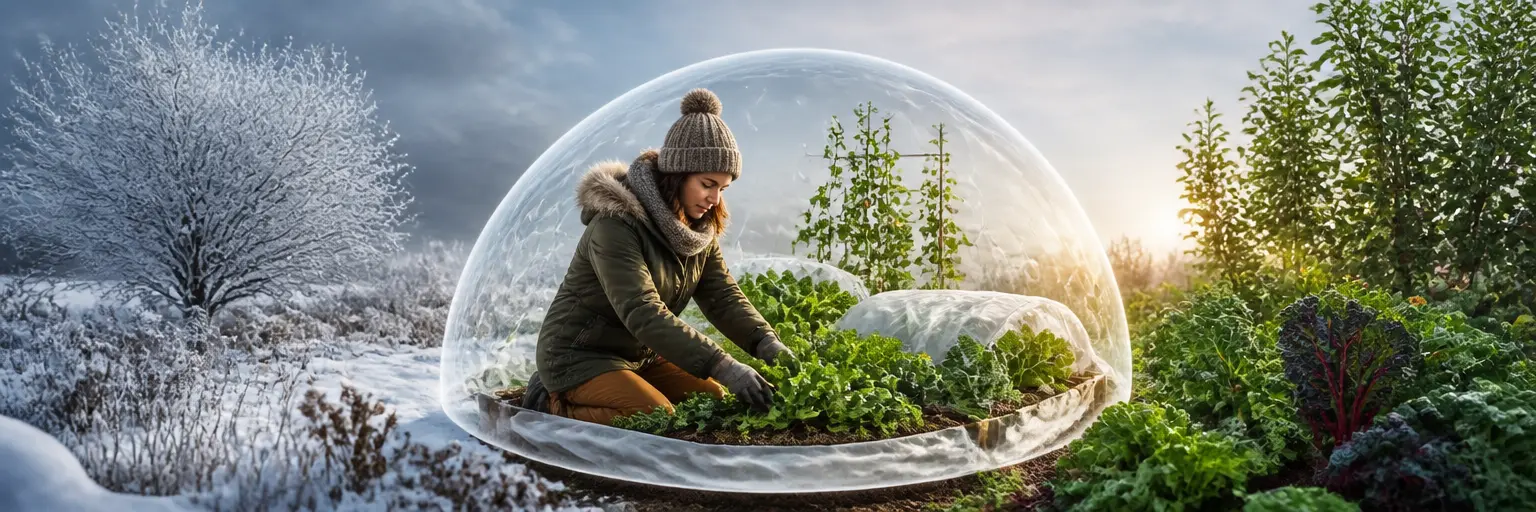
The Importance of Planning Your Cold Climate Garden: Ensuring Success
Discover how to grow a thriving garden despite frost, short growing seasons, and chilly temperatures 🌱❄️. Explore cold-climate gardening techniques, including frost protection, hardy fruits and vegetables, season extension, soil preparation, and sustainable organic practices. Learn which plants flourish in cool conditions, when to sow and harvest, and how composting and natural pest control can support a resilient home garden.
6 articles
Growing Leafy Greens in Cold Climates: Spinach, Kale, and Lettuce
Watering Strategies for Cold Climates: Avoiding Overwatering and Frost Damage
The Art of Succession Planting in Cold Climates: Maximizing Your Harvest
Pest Control in Cold Climates: Managing Garden Pests Naturally
Starting Seeds Indoors for Cold Climates: A StepbyStep Guide
🌱 Gardening in Cold Climates: Grow Fresh Food in Every Season
Gardening in cold climates is possible with the right plants, timing, soil preparation, and protection strategies. On CultivateYourFood, you will discover practical, sustainable, and organic gardening advice for growing fruits, vegetables, and herbs in short growing seasons, cool summers, heavy snow, frost-prone areas, and USDA cold hardiness zones. Learn how to plan a productive cold-weather garden, improve soil health, extend the growing season, and protect plants naturally from freezing temperatures.
❄️ Choosing Cold-Hardy Vegetables, Fruits, and Herbs
Explore reliable cold-hardy vegetables that can tolerate frost, low temperatures, and short growing seasons. Discover how to grow kale, spinach, carrots, beets, peas, onions, garlic, cabbage, broccoli, Brussels sprouts, radishes, turnips, and other cool-season crops. You will also find guidance on selecting hardy fruit trees, berry bushes, perennial herbs, and plant varieties suited to your local climate zone.
Our content explains how to read seed packets, compare days to maturity, choose early-maturing cultivars, and match plants to your USDA hardiness zone. With the right varieties, even gardeners in northern regions can enjoy a productive organic garden and harvest fresh food before winter arrives.
🌨️ Extending the Growing Season Naturally
Cold-climate gardeners can extend planting and harvesting periods with practical season-extension techniques. Learn how to use cold frames, low tunnels, row covers, hoop houses, greenhouses, and sheltered garden beds to protect plants from frost and create warmer growing conditions without relying on expensive equipment.
You will also learn how to use succession planting, winter sowing, indoor seed starting, and transplant timing to make the most of a short growing season. These methods help you start crops earlier in spring, continue harvesting into autumn, and grow hardy vegetables throughout mild winter periods.
🌱 Preparing Healthy Soil for Northern Gardens
Healthy soil is essential for successful gardening in cold climates. Find out how to improve heavy clay, sandy, compacted, or poorly drained soil with compost, aged manure, leaf mold, and other organic amendments. Detailed guidance covers soil testing, drainage, fertility, pH, and the importance of building soil health before planting.
Cold soil warms slowly, so proper preparation can make a major difference in germination and root development. Learn how organic mulch, raised beds, dark compost, and wind protection can help regulate soil temperature while supporting earthworms, beneficial microbes, and long-term garden productivity.
🧣 Protecting Plants from Frost and Freezing Weather
Frost protection is one of the most important skills for gardeners in cold regions. Discover how to identify frost risks, monitor nighttime temperatures, and protect tender crops with horticultural fleece, blankets, cloches, mulch, and temporary covers. You will also learn when to cover plants, how to ventilate protected spaces, and how to avoid moisture-related disease.
For severe cold, our sustainable gardening advice includes strategies for insulating root systems, shielding plants from wind, overwintering herbs, and storing frost-sensitive crops. These natural cold-weather gardening methods can reduce plant loss and help your garden recover quickly after sudden temperature drops.
🌿 Winter Gardening and Year-Round Harvests
Winter does not have to mean the end of the garden. Learn how to grow and harvest cold-tolerant crops such as winter spinach, mâche, kale, leeks, parsnips, carrots, and hardy herbs. Some vegetables become sweeter after exposure to light frost, making winter gardening a rewarding way to enjoy fresh, homegrown produce.
Discover how to plan a year-round food garden with overwintering crops, protected beds, indoor herbs, stored roots, and well-timed autumn planting. You will also find advice for garden cleanup, winter mulch, seed saving, and preparing beds for an earlier spring start.
🌾 Organic Pest and Disease Management in Cold Climates
Cold climates have their own gardening pests and plant diseases, including aphids, cabbage worms, slugs, rodents, fungal problems, and damage caused by wet or frozen soil. Learn how to identify common issues early and use organic solutions such as hand-picking, physical barriers, beneficial insects, crop rotation, companion planting, and homemade protective measures.
Our sustainable approach focuses on prevention rather than harsh chemicals. By improving air circulation, spacing plants correctly, choosing disease-resistant varieties, maintaining healthy soil, and practicing integrated pest management, you can protect your crops while supporting pollinators and beneficial garden wildlife.
🥕 Harvesting, Storing, and Preserving Cold-Climate Crops
Proper harvesting helps cold-hardy crops maintain their flavor, nutrition, and storage quality. Learn when to harvest leafy greens, root vegetables, brassicas, herbs, berries, and late-season crops for the best results. Helpful guides explain how frost affects flavor and how to harvest without damaging plants that may continue producing.
You will also discover sustainable ways to store and preserve your harvest, including root cellaring, cool storage, drying herbs, fermenting vegetables, freezing produce, and saving seeds. These techniques allow you to enjoy the rewards of your cold-climate vegetable garden long after the growing season ends.
❓ Frequently Asked Questions About Gardening in Cold Climates
🌡️ What vegetables grow best in cold climates?
Cold-tolerant vegetables include kale, spinach, lettuce, peas, carrots, beets, radishes, turnips, onions, garlic, cabbage, broccoli, Brussels sprouts, and parsnips. Choose varieties labeled cold hardy, frost tolerant, or suitable for short growing seasons.
📅 When should I start seeds in a cold climate?
Start seeds indoors according to each crop’s recommended transplanting time and your local last frost date. Hardy crops can often be started earlier than tender plants, while tomatoes, peppers, cucumbers, and squash usually require more warmth and protection.
🧊 Can a garden survive freezing temperatures?
Many hardy vegetables can survive light frost and some freezing temperatures, especially when protected with mulch, row covers, cold frames, or low tunnels. Tender plants require stronger protection or should be grown indoors until the danger of frost has passed.
🌿 How can I improve soil in a cold-climate garden?
Add mature compost, organic matter, and well-rotted manure to improve fertility, structure, drainage, and moisture retention. Raised beds, dark organic mulch, and wind protection can also help cold soil warm more quickly in spring.
🌱 Is winter gardening possible without a greenhouse?
Yes. You can grow winter crops using cold frames, row covers, low tunnels, cloches, thick mulch, and sheltered garden locations. Hardy vegetables such as kale, spinach, mâche, leeks, and carrots can often be harvested through winter in suitable climates.