
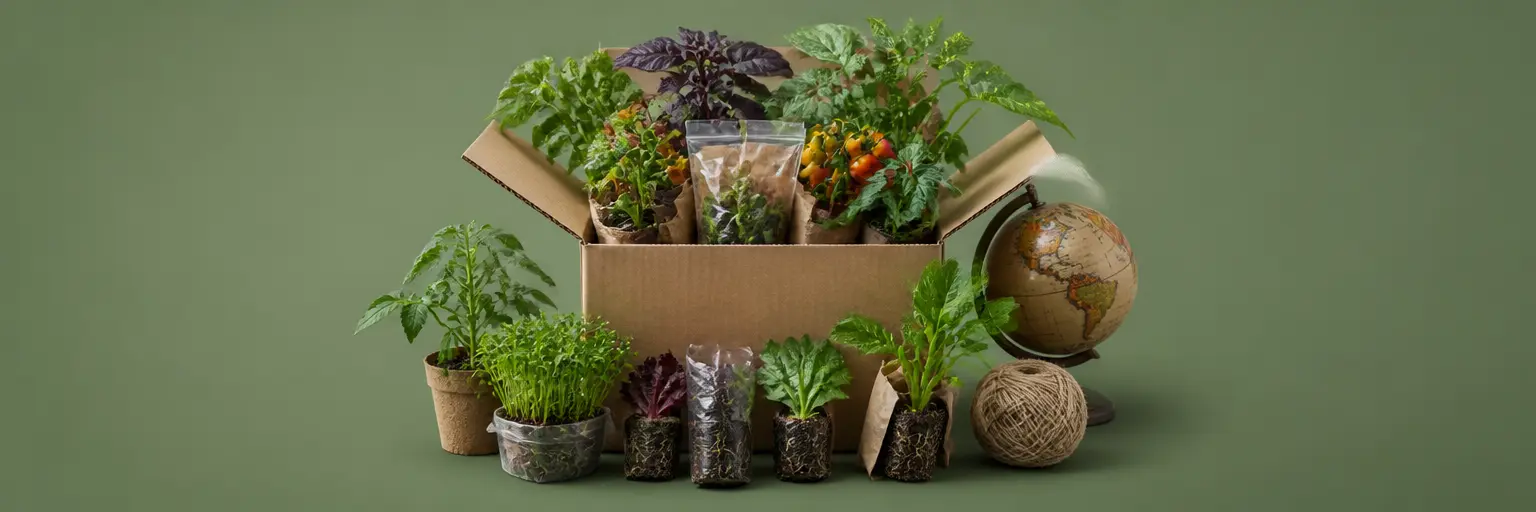
The Benefits of Growing Heirloom Plants: Flavor, Diversity, and History
Discover trusted sources for rare and heirloom plant varieties 🌱—from heritage vegetables and unique herbs to unusual fruits that bring exceptional flavor and biodiversity to your garden. Find specialty seed companies, local growers, and sustainable suppliers offering carefully selected, organic-friendly options for home gardening, seed saving, and resilient food cultivation. 🥕🍅 Explore distinctive plants and grow a more productive, diverse garden with CultivateYourFood.
5 articles
Beyond the Basics: Where to Buy Unique Fruit Tree Saplings
Participating in Seed Swaps: A Community Approach to Heirloom Varieties
HeatTolerant Heirloom Plants: Sourcing Seeds for Hot Climates
Rare and Endangered Plant Varieties: A Guide to Preservation Through Gardening
🌱 Where to Buy Rare and Heirloom Plant Varieties
Discover where to buy rare and heirloom plant varieties for a productive, flavorful, and sustainable home garden. CultivateYourFood helps gardeners find trusted sources for heirloom vegetable seeds, unusual fruit plants, heritage herbs, organic seedlings, and hard-to-find garden crops. Whether you are growing tomatoes, peppers, beans, squash, leafy greens, culinary herbs, or perennial food plants, choosing unique varieties can improve biodiversity, preserve agricultural history, and add exceptional taste to your harvest.
🌾 Find Trusted Heirloom Seed Suppliers
Learn how to identify reputable seed companies offering open-pollinated, non-GMO, organic, and heritage seeds. Reliable suppliers usually provide detailed information about plant history, growing requirements, days to maturity, expected yield, pollination needs, and regional suitability. This makes it easier to select rare vegetable seeds that are appropriate for your climate and gardening experience.
Readers can also explore seed catalogs, specialty online nurseries, local seed exchanges, and small independent growers. Look for clear seed descriptions, recent packing dates, germination information, sustainable growing practices, and customer reviews. Buying from responsible sellers supports seed diversity and helps preserve varieties that may not be available through mainstream garden centers.
🍅 Buy Rare and Heirloom Vegetable Seeds
Heirloom vegetable seeds are valued for their distinctive flavors, colors, shapes, and cultural histories. This subcategory highlights sources for uncommon tomatoes, purple carrots, unusual cucumbers, heritage beans, specialty lettuce, rare radishes, old-fashioned corn, and other unique garden vegetables. Many heirloom crops are excellent choices for gardeners who want fresh produce that cannot easily be found in supermarkets.
Before purchasing, compare the growing season, plant size, sunlight requirements, soil preferences, and disease resistance of each variety. Matching rare seeds to your local conditions can improve germination and harvest success. You will also find guidance on starting seeds indoors, transplanting seedlings, saving seeds, and maintaining genetic diversity in an organic home garden.
🌿 Discover Unusual Herbs and Culinary Plants
Find sources for rare culinary herbs and medicinal garden plants, including unusual basil varieties, specialty mint, lemon verbena, Vietnamese coriander, shiso, lovage, savory, chamomile, and other aromatic plants. These unique herbs can expand your cooking options while attracting pollinators and adding fragrance to containers, raised beds, and backyard gardens.
When buying uncommon herbs, check whether the plant is an annual, perennial, tender perennial, or invasive species in your area. Select suppliers that explain propagation methods, container requirements, harvesting practices, and safe culinary use. Organic herb seeds and healthy starter plants can provide a dependable beginning for a productive kitchen garden.
🍓 Locate Rare Fruit Plants and Specialty Edibles
Gardeners can explore nurseries that sell unusual berries, dwarf fruit trees, heritage grapes, hardy figs, currants, gooseberries, pawpaws, quince, and other specialty fruit plants. Rare fruit varieties can bring unique flavors and valuable genetic diversity to home orchards, edible landscapes, and permaculture gardens.
Pay close attention to hardiness zones, chill-hour requirements, mature plant size, rootstock, pollination compatibility, and shipping seasons. Bare-root trees, dormant shrubs, and young container plants may require different planting care. Choosing regionally adapted fruit varieties increases the likelihood of healthy growth, reliable flowering, and abundant harvests.
🧬 Support Seed Saving and Plant Diversity
Buying heirloom and rare plant varieties is an important way to support seed preservation and protect crop diversity. Open-pollinated plants can often be grown and saved from year to year, helping gardeners become less dependent on commercial seed supplies. This is especially valuable for communities interested in food security, self-sufficiency, and sustainable gardening.
Readers can learn how to prevent unwanted cross-pollination, select strong parent plants, dry and label seeds, and store them in cool, dark, dry conditions. Proper seed-saving techniques help maintain varietal characteristics and create a personal collection of locally adapted plants for future growing seasons.
🛒 Compare Online Nurseries, Local Growers, and Seed Exchanges
Different sources offer different advantages when purchasing rare plants. Online nurseries may provide the widest selection, local growers can recommend varieties suited to regional conditions, and seed exchanges often connect gardeners with time-tested heritage crops. Farmers markets, botanical gardens, community gardens, and agricultural preservation groups may also offer valuable leads.
Compare plant quality, seller reputation, shipping policies, packaging, seasonal availability, and replacement guarantees before ordering. Buying from ethical, transparent suppliers can reduce the risk of receiving mislabeled seeds, unhealthy plants, or varieties that are poorly suited to your climate. Always check local regulations before importing seeds or live plants.
❓ Frequently Asked Questions About Buying Rare and Heirloom Plants
What is the difference between heirloom, open-pollinated, and hybrid plants?
Heirloom plants are generally older varieties preserved and passed down through generations, while open-pollinated plants reproduce through natural pollination and can often produce reliable offspring from saved seed. Hybrid plants are created by crossing selected parent plants for specific traits. Heirlooms may offer exceptional flavor and history, while hybrids can provide uniform growth, higher yields, or improved disease resistance.
Where is the best place to buy rare vegetable seeds?
The best source depends on your location and the crop you want to grow. Reputable heirloom seed companies, organic seed suppliers, local seed libraries, specialty nurseries, and established seed exchanges are good options. Choose sellers that provide accurate growing information, seed dates, germination details, and clear descriptions of whether varieties are heirloom, open-pollinated, organic, or hybrid.
Are rare and heirloom plant varieties difficult to grow?
Not necessarily. Many rare and heirloom varieties grow as easily as common garden crops when they receive suitable sunlight, fertile soil, consistent moisture, and proper spacing. Some may have specific needs or less disease resistance, so review the supplier’s instructions and select varieties adapted to your USDA hardiness zone or local growing conditions.
Can I save seeds from heirloom plants?
Yes, many heirloom and open-pollinated plants are suitable for seed saving. Allow mature fruits or seed pods to fully develop, collect seeds from healthy plants, clean and dry them thoroughly, and store them in labeled airtight containers. Research isolation distances and hand-pollination techniques for crops that cross easily, such as squash, peppers, and brassicas.
What should I check before ordering rare plants online?
Review the plant’s hardiness zone, mature size, pollination requirements, growing season, shipping schedule, and estimated arrival condition. Check seller reviews and make sure the nursery follows applicable plant health and quarantine regulations. It is also wise to order from suppliers offering clear care instructions and a replacement policy for plants damaged during shipping.