
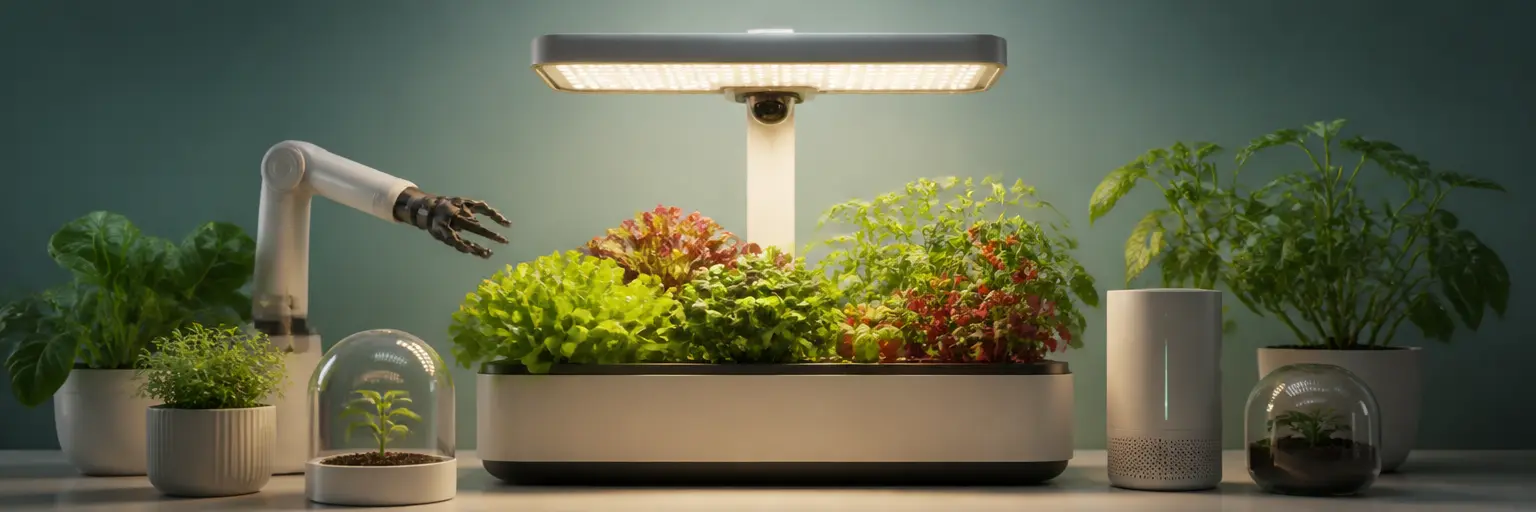
Robotic Gardeners: Automating Tasks for Effortless Home Cultivation
🌱 Discover the future of home gardening with smart gardening technology designed to make growing fruits, vegetables, and herbs easier, more sustainable, and more productive. Explore innovative tools such as automated irrigation systems, soil sensors, indoor growing solutions, vertical gardens, LED grow lights, and eco-friendly garden apps that help you monitor plant health and optimize every stage of cultivation. Embrace practical organic gardening innovations that conserve water, reduce waste, and bring fresh harvests closer to home.
6 articles
Garden Security Systems: Protecting Your Crops from Pests and Thieves
Bioprinting for Plants: Creating Custom Plants at Home
3D Printing for Garden Tools: Customizing Your Gardening Gear
Seed Germination Tech: Speeding Up the Process with Innovation
Disease Detection Tech: Early Warning Systems for Plant Health
🌱 Technological Innovations in Home Gardening
Welcome to Technological Innovations in Home Gardening on CultivateYourFood, your practical resource for discovering how smart technology is transforming sustainable food production at home. Explore modern gardening tools, automated systems, and digital solutions that help you grow fruits, vegetables, and herbs more efficiently while supporting organic gardening, water conservation, healthy soil, and environmentally responsible cultivation. Whether you have a backyard, balcony, patio, greenhouse, or indoor growing space, this subcategory explains how innovation can make home gardening easier, more productive, and more accessible.
🤖 Smart Gardening Systems and Automation
Learn how smart gardening systems use connected devices, sensors, and automation to simplify everyday plant care. Topics may include smart irrigation controllers, soil moisture sensors, automated grow lights, climate monitors, and app-controlled garden equipment that helps you make informed decisions based on real growing conditions.
These innovations can reduce guesswork and support consistent watering, lighting, feeding, and temperature management. Discover how home garden automation can save time, prevent overwatering, improve plant health, and create a reliable routine for cultivating organic produce at home.
💧 Water-Saving Irrigation Technology
Efficient irrigation is essential for sustainable gardening, especially in areas affected by drought or seasonal water restrictions. Explore drip irrigation systems, rainwater collection tools, moisture-sensitive controllers, and smart watering schedules designed to deliver water directly to plant roots with minimal waste.
Readers can discover practical ways to combine technology with natural gardening methods, including mulching, compost enrichment, and water-wise plant selection. Smart irrigation for home gardens helps conserve resources while promoting strong root development and healthier fruits, vegetables, and herbs.
🌞 LED Grow Lights and Indoor Gardening
Discover how advanced LED grow lights make it possible to cultivate plants indoors throughout the year. Learn about full-spectrum lighting, adjustable light intensity, energy-efficient bulbs, and automated light schedules for seed starting, leafy greens, herbs, microgreens, and other indoor crops.
This section explains how to choose the right grow light for a windowsill garden, grow tent, hydroponic system, or indoor vegetable garden. With proper placement and timing, LED grow lights for plants can supplement natural sunlight, support healthy growth, and extend the growing season.
🌿 Hydroponics, Aeroponics, and Soilless Growing
Explore innovative growing methods that use water, nutrient solutions, air, or alternative growing media instead of traditional garden soil. Hydroponic gardens, aeroponic systems, vertical farms, and countertop growing kits can provide efficient options for cultivating fresh produce in small spaces.
Readers will learn how these systems work, which crops are suitable for soilless cultivation, and how technology can improve nutrient delivery and resource efficiency. These methods can complement sustainable gardening goals when growers monitor nutrients carefully and choose safe, responsible inputs.
📱 Gardening Apps, Sensors, and Digital Planning Tools
Modern gardening apps and digital tools can help growers plan planting dates, identify plants, track watering, monitor weather, and organize harvest records. Soil sensors and garden monitoring devices provide useful information about moisture, temperature, light levels, and other conditions that affect plant development.
Use technology to create a more organized and responsive garden management system. Gardening apps for beginners and experienced growers can support crop rotation, succession planting, companion planting, seed inventory management, and seasonal garden planning.
🪴 Vertical Gardens and Space-Saving Innovations
Vertical gardening technology allows people to grow more food in limited areas such as balconies, patios, kitchens, and small urban yards. Discover stackable planters, modular living walls, automated indoor gardens, trellising systems, and compact hydroponic units designed for efficient use of space.
These solutions are especially useful for growing herbs, salad greens, strawberries, peas, tomatoes, and other compact crops. Learn how space-saving garden technology can increase growing capacity while maintaining access to sunlight, airflow, water, and organic soil-building practices.
🛰️ Artificial Intelligence and Precision Home Gardening
Artificial intelligence is becoming a useful tool for identifying plant diseases, recognizing pests, analyzing leaf symptoms, and recommending care strategies. Explore how image-based plant diagnostic tools, weather data, and predictive gardening platforms can help growers respond to problems before they spread.
Technology should support, not replace, careful observation and sustainable gardening knowledge. By combining digital recommendations with organic pest control, crop rotation, composting, and biodiversity, gardeners can make more precise decisions while protecting beneficial insects and soil health.
♻️ Sustainable and Eco-Friendly Garden Technology
Not every innovation is automatically sustainable, which is why this section focuses on the environmental impact of gardening technology. Learn about solar-powered garden devices, energy-efficient equipment, recycled planters, compost monitoring tools, low-waste growing systems, and durable products designed for long-term use.
Discover how to evaluate the true sustainability of a product by considering energy consumption, materials, repairability, lifespan, and disposal. Eco-friendly gardening technology works best when combined with composting, seed saving, organic fertilizers, rainwater harvesting, and natural pest management.
❓ Frequently Asked Questions About Technological Innovations in Home Gardening
What are technological innovations in home gardening?
Technological innovations in home gardening include smart sensors, automated irrigation, LED grow lights, gardening apps, hydroponic systems, climate monitors, and digital plant diagnostic tools. These technologies help gardeners improve efficiency, monitor growing conditions, and cultivate food in spaces of many different sizes.
Are smart gardening devices useful for beginners?
Yes. Beginner-friendly devices such as soil moisture meters, automatic timers, simple grow lights, and plant-care apps can make gardening easier by providing reminders and clear information. Start with one tool that solves a specific problem rather than purchasing a complex system immediately.
Can garden technology support organic and sustainable gardening?
Yes, when it is selected and used responsibly. Smart irrigation can reduce water waste, sensors can prevent overwatering, and compost monitoring tools can improve soil building. Technology should complement organic practices such as mulching, composting, crop rotation, and natural pest control.
What is the best technology for growing plants indoors?
For many indoor gardeners, a quality full-spectrum LED grow light is an excellent starting point. Depending on the crop and available space, you may also benefit from a timer, humidity monitor, air circulation fan, or compact hydroponic growing system.
How can I choose the right gardening technology?
Consider your available space, crop selection, budget, energy use, maintenance requirements, and sustainability goals. Choose reliable tools that address a genuine gardening challenge, offer useful data or automation, and can be repaired or reused over time.