
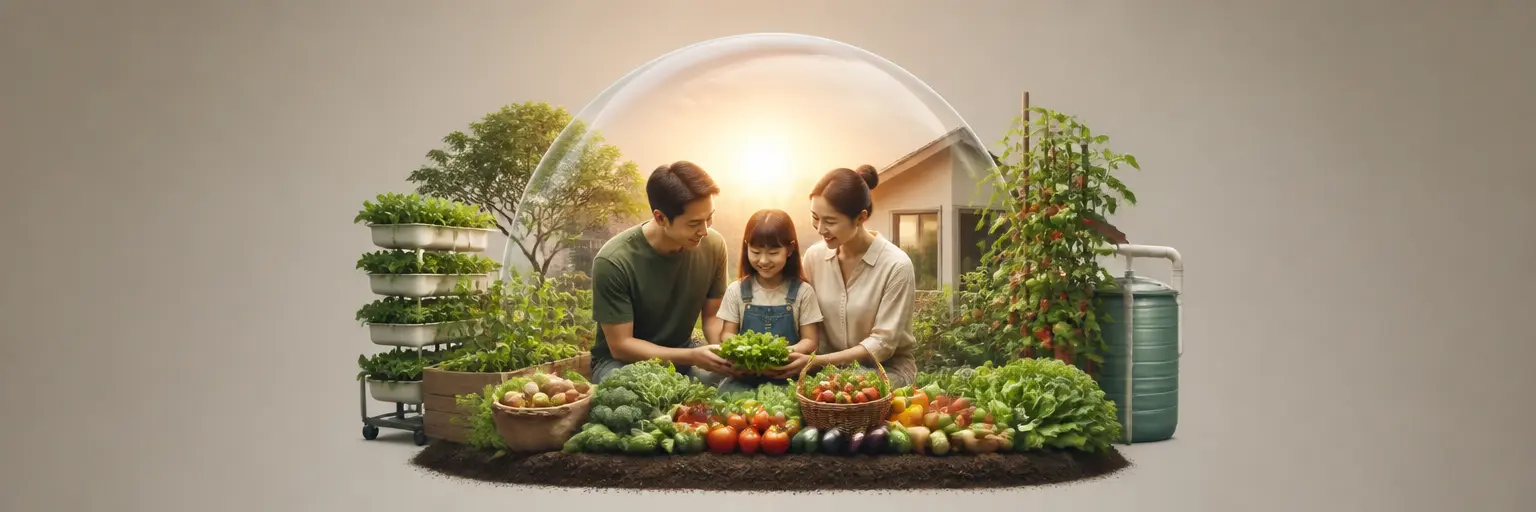
How Home Gardens Contribute to a More Equitable and Secure Food System
Discover how home gardening can strengthen food security by providing fresh, nutritious produce, reducing reliance on fragile supply chains, and building household resilience. 🌱 Learn practical, sustainable gardening techniques—from organic soil care and composting to natural pest control and year-round planting—that help families grow more of their own food while conserving resources. Explore the future of home gardening with CultivateYourFood and turn small spaces into productive, eco-friendly sources of nourishment. 🥕🌿
6 articles
How Home Gardens Promote Food Security and Environmental Sustainability
Home Gardening: A Grassroots Approach to Tackling Food Insecurity
Why Home Gardens Are More Important Than Ever for Food Security
How Home Gardens Can Help Ensure Food Access for All
Growing Your Own Food: A Powerful Step Towards Food Security
🌱 The Role of Home Gardening in Food Security
Home gardening plays an increasingly important role in building resilient, sustainable food systems. In this subcategory of The Future of Home Gardening, CultivateYourFood explores how growing fruits, vegetables, and herbs at home can improve household food security, increase access to fresh produce, and reduce dependence on complex supply chains. Discover practical, organic gardening strategies that help families produce nutritious food while conserving water, protecting soil, and supporting biodiversity.
🥕 Growing Fresh Food at Home
Home food production gives households direct access to fresh, nutrient-rich vegetables, fruits, and herbs. Whether you cultivate a backyard garden, raised beds, containers, or a small balcony plot, even limited growing space can contribute to a more reliable supply of seasonal produce. Growing food at home can supplement grocery shopping and make healthy ingredients more available throughout the year.
Readers can learn how to select productive crops, plan planting schedules, and use succession planting to extend harvests. From leafy greens and tomatoes to beans, peppers, root vegetables, and culinary herbs, our guidance focuses on practical methods for maximizing yields in small and large home gardens.
🌾 Home Gardens and Household Food Resilience
Food security depends on having consistent access to sufficient, affordable, and nutritious food. Home gardens can strengthen household resilience by providing an additional food source during price increases, supply disruptions, or seasonal shortages. A productive garden creates greater control over how food is grown and harvested, helping families prepare for changing conditions.
This section examines how gardeners can build reliable food systems through crop diversity, seed saving, perennial plants, and staggered planting. You will also find ideas for preserving surplus harvests through drying, freezing, fermentation, and canning, allowing homegrown food to support household meals beyond the main growing season.
🌿 Sustainable and Organic Gardening for Food Security
Sustainable gardening practices are essential for long-term food production. Organic soil improvement, composting, natural pest control, crop rotation, mulching, and water conservation help maintain healthy growing conditions without excessive reliance on synthetic chemicals. Healthy soil is the foundation of a productive and resilient home garden.
CultivateYourFood provides practical information for creating fertile soil with compost, leaf mold, aged manure, and other responsible amendments. Readers can explore ecological gardening methods that protect beneficial insects, reduce waste, conserve natural resources, and support abundant harvests year after year.
💧 Water Conservation and Climate-Ready Gardening
Water availability, extreme weather, and shifting growing seasons can directly affect food production. Home gardeners can improve food security by choosing drought-tolerant crops, collecting rainwater where permitted, applying organic mulch, and using efficient irrigation systems. These techniques help plants receive consistent moisture while reducing unnecessary water consumption.
This subcategory explains how to design a climate-resilient garden with heat-tolerant varieties, wind protection, shade management, and flexible planting schedules. Readers will discover ways to adapt their gardens to local conditions and continue growing food despite weather challenges.
🐝 Biodiversity, Pollinators, and Productive Gardens
Pollinators and beneficial organisms play a vital role in successful food gardening. Bees, butterflies, native insects, birds, earthworms, and soil microorganisms contribute to pollination, nutrient cycling, and natural pest control. Encouraging biodiversity can improve garden productivity while reducing the need for chemical interventions.
Learn how to create pollinator-friendly spaces with flowering herbs, native plants, shelter, and pesticide-free practices. Companion planting and habitat planning can support healthier crops, attract beneficial insects, and create a balanced garden ecosystem that contributes to long-term food security.
🤝 Community Gardening and Local Food Security
Home gardening can extend beyond individual households and become part of a broader community food network. Seed exchanges, community gardens, neighborhood harvest sharing, and local gardening groups help distribute knowledge and fresh produce. These connections can make sustainable food production more accessible to people with limited space, time, or resources.
Readers can explore ways to share surplus vegetables, organize local growing projects, and support food education. Community-based gardening strengthens cooperation and helps build local resilience by keeping food production, skills, and resources closer to home.
❓ Frequently Asked Questions About Home Gardening and Food Security
🌱 How does home gardening improve food security?
Home gardening improves food security by giving households direct access to fresh produce and reducing total reliance on purchased food. Even a small garden can provide herbs, salad greens, tomatoes, beans, or other crops that supplement regular meals and help lower grocery expenses.
🏡 Can a small garden really make a difference?
Yes. Containers, vertical gardens, raised beds, and balcony planters can produce meaningful amounts of food in limited spaces. Choosing high-yield crops, using succession planting, and growing vegetables that are expensive to buy can make a small garden especially valuable.
🌿 What are the best crops for a food security garden?
Reliable crops often include potatoes, sweet potatoes, beans, peas, tomatoes, leafy greens, squash, carrots, onions, herbs, and seasonal berries. The best choices depend on climate, available space, soil, and household preferences. A diverse selection helps spread risk and provides a wider range of nutrients.
♻️ How does composting support food security?
Composting transforms kitchen scraps, leaves, and garden waste into a valuable soil amendment. Finished compost improves soil structure, moisture retention, drainage, and fertility, helping plants grow more successfully. It also reduces household waste and supports a more self-sufficient organic gardening system.
🐞 Is organic gardening productive enough for food security?
Organic gardening can be highly productive when it combines healthy soil, suitable crop varieties, efficient watering, proper spacing, crop rotation, and integrated pest management. Natural pest control and biodiversity-supporting practices help protect crops while maintaining a healthier environment for people, plants, and wildlife.