
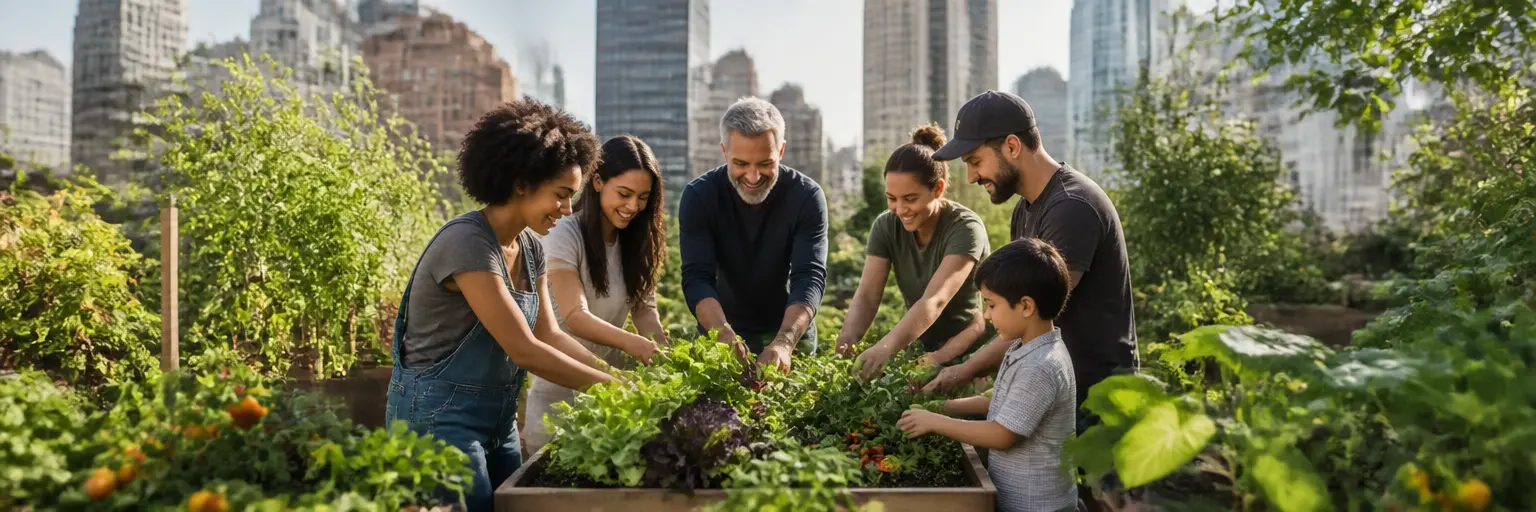
The Future of Sharing: How Community Gardens Can Shape Urban Landscapes
Discover how shared gardens bring neighbors together while making urban farming more sustainable and rewarding 🌱 Learn practical tips for creating inclusive community garden spaces, growing organic fruits, vegetables, and herbs, sharing harvests, composting, conserving resources, and supporting local biodiversity. Whether you’re a beginner or an experienced gardener, cultivate connections, grow fresh food, and help your community thrive—one garden at a time! 🤝🥕
7 articles
The Funding of Growth: How to Secure Resources for Your Community Garden
The EcoFriendly Garden: How to Implement Sustainable Practices in Shared Spaces
Building Bridges: How Community Gardens Promote Intergenerational Connections
From Seed to Supper: How Shared Gardens Connect People to Their Food
The Power of Participation: Why Joining a Community Garden is Good for You
Planning for Success: How to Design a Functional and Beautiful Shared Garden
🌱 Building Community Through Shared Gardens
Building Community Through Shared Gardens brings people together to grow fresh, healthy food while creating greener, more connected neighborhoods. As part of Urban Farming on CultivateYourFood, this subcategory explores how shared gardens, community allotments, neighborhood plots, and cooperative growing spaces can make sustainable food production accessible to everyone. Discover practical guidance on planning communal gardens, organizing volunteers, growing fruits, vegetables, and herbs, and using organic gardening methods that support healthy soil, biodiversity, and local food security.
🤝 Creating Stronger Neighborhood Connections
Shared gardens provide more than a place to plant seeds—they create welcoming spaces where neighbors can meet, exchange knowledge, and work toward common goals. Learn how community gardening can encourage cooperation between families, schools, apartment residents, local organizations, and experienced urban growers. Readers can expect ideas for hosting planting days, harvest celebrations, garden workshops, and seasonal events that help transform unused urban areas into productive community spaces.
This subcategory also explores inclusive gardening practices that make participation easier for people of different ages, abilities, cultures, and gardening backgrounds. Discover how to divide responsibilities fairly, establish shared rules, welcome new members, and build a positive atmosphere based on respect and collaboration. A well-organized shared garden can strengthen neighborhood relationships while providing nutritious homegrown food.
🥕 Planning and Organizing a Community Garden
Successful shared gardens begin with thoughtful planning. Find practical information about choosing a suitable location, assessing sunlight and drainage, preparing garden beds, creating pathways, installing water access, and selecting crops for the local climate. Whether you are starting a small neighborhood vegetable garden or coordinating a larger urban farming project, these resources can help you develop a realistic and productive garden plan.
Readers will also learn how to create garden schedules, assign maintenance tasks, manage shared tools, and organize planting and harvesting calendars. Clear communication and simple garden guidelines help prevent confusion and ensure that watering, weeding, composting, pest control, and cleanup are shared fairly among participants.
🌿 Growing Organic Food Together
Community gardens are ideal places to practice organic and sustainable gardening. Explore methods for growing vegetables, fruits, culinary herbs, and pollinator-friendly plants without relying on harmful synthetic chemicals. Learn about crop rotation, companion planting, natural soil improvement, organic fertilizers, mulching, and responsible water use. These techniques support productive garden beds while protecting people, beneficial insects, and the surrounding environment.
Shared growing spaces also allow gardeners to exchange seeds, cuttings, seedlings, compost, and practical experience. Discover how to select reliable crops for urban conditions, coordinate planting choices, reduce waste, and grow food throughout the seasons. Collective knowledge makes organic gardening more accessible, especially for beginners who want to cultivate fresh produce at home or in a neighborhood plot.
♻️ Composting and Sustainable Resource Sharing
Composting is an important part of sustainable urban farming and can turn garden and kitchen waste into valuable soil amendment. Learn how community gardens can set up shared compost bins, balance green and brown materials, manage moisture, and produce nutrient-rich compost for vegetables, fruits, herbs, and flowers. Readers can also discover ways to reduce food waste by returning plant material to the soil whenever possible.
This section covers additional resource-sharing ideas, including communal tools, rainwater collection, seed libraries, reusable containers, and environmentally responsible garden supplies. Sharing resources lowers costs and reduces waste, helping community gardens operate more efficiently while teaching practical sustainability skills that participants can use in their own home gardens.
🐝 Supporting Pollinators and Urban Biodiversity
Shared gardens can become important habitats for bees, butterflies, birds, and other beneficial wildlife. Discover how to include native flowers, flowering herbs, shelter plants, shallow water sources, and pesticide-free growing areas in a community garden design. These features can improve pollination for food crops while making urban spaces more attractive and ecologically valuable.
Readers will learn how to manage pests using integrated pest management, physical barriers, hand removal, beneficial insects, and healthy soil practices. Protecting pollinators and natural predators helps maintain a balanced garden ecosystem and reduces the need for harmful chemicals. A biodiversity-friendly shared garden supports both local food production and urban environmental health.
🏡 Making Shared Gardens Inclusive and Accessible
Inclusive community gardens are designed so that more people can participate comfortably and confidently. Explore ideas for raised beds, wide pathways, accessible watering systems, vertical gardens, adaptive tools, and seating areas. These features can support older gardeners, children, people with disabilities, and anyone who prefers a more accessible approach to urban food growing.
Learn how to create welcoming programs for beginners, schools, community groups, and culturally diverse neighborhoods. From multilingual signage to beginner-friendly workshops, small adjustments can make a meaningful difference. Inclusive garden planning helps ensure that the benefits of fresh food, outdoor learning, and community connection are available to a wider audience.
❓ Frequently Asked Questions About Shared Gardens
What is a shared garden?
A shared garden is a growing space maintained by multiple people, families, or organizations. Participants usually share land, tools, water, tasks, and harvests. Shared gardens may be located on unused urban lots, residential property, school grounds, rooftops, or community spaces, and they often focus on organic food production and neighborhood cooperation.
How can I start a community garden in my neighborhood?
Begin by identifying interested residents, finding a suitable sunny location, checking local permissions, and creating a basic plan for beds, water, tools, composting, and responsibilities. Establish clear guidelines and communicate regularly with participants. Starting with a manageable area and expanding gradually can make the project easier to organize and sustain.
What crops grow well in a shared urban garden?
Popular choices include lettuce, spinach, kale, tomatoes, peppers, beans, carrots, radishes, cucumbers, strawberries, onions, basil, mint, parsley, and other culinary herbs. Select crops based on your climate, available sunlight, soil conditions, and the preferences of participants. Growing a mixture of fast-growing vegetables, perennial herbs, and seasonal fruits can provide harvests throughout the year.
How do shared gardens manage disagreements?
Clear written rules, fair task schedules, regular meetings, and open communication can prevent many conflicts. It is helpful to agree in advance on watering, harvesting, tool use, plot boundaries, composting, pest control, and decision-making. A small coordination team or rotating leadership group can help address concerns respectfully and keep the garden focused on shared goals.
Can shared gardens use organic pest control?
Yes. Community gardens can use crop rotation, companion planting, insect netting, hand-picking, traps, healthy soil management, and beneficial insects to control pests naturally. Avoiding unnecessary pesticides protects gardeners, pollinators, wildlife, and soil life. Integrated pest management is an effective approach for maintaining productive and environmentally responsible urban gardens.