
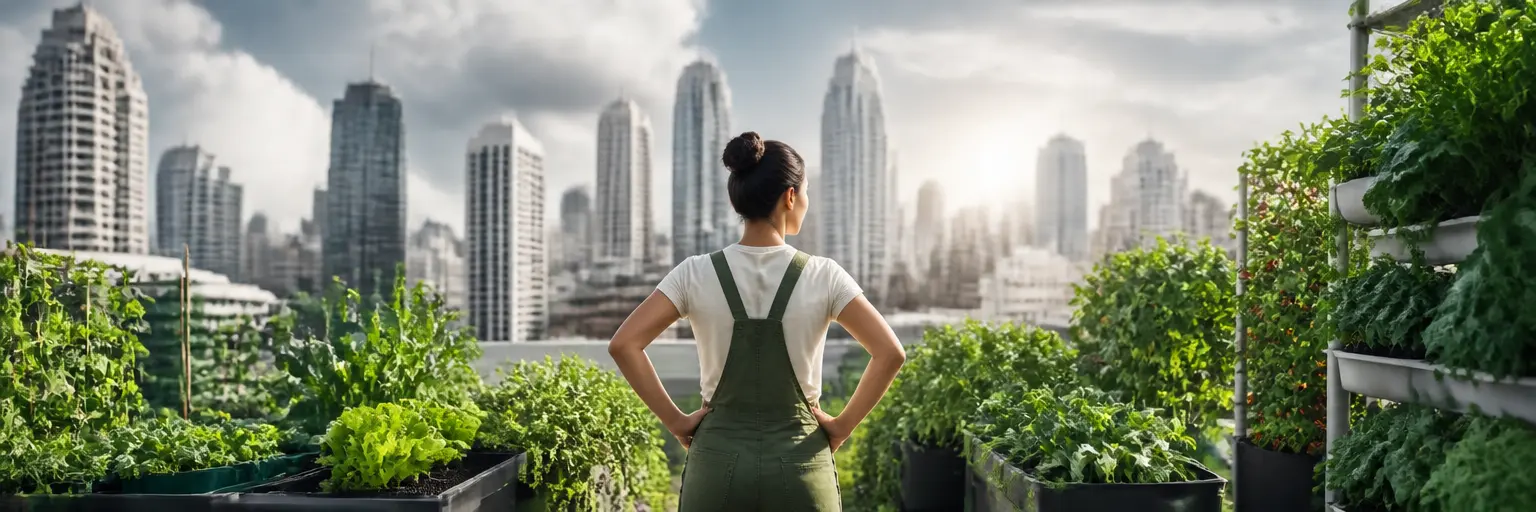
The Urban Garden's Transformation: Turning Neglected Spaces into Green Oases
Discover practical ways to thrive with urban gardening 🌱—from maximizing small balconies and rooftops to improving soil, managing limited sunlight, and protecting plants naturally. Learn sustainable, organic techniques for growing fresh vegetables, fruits, and herbs at home, even in challenging city environments. Turn urban obstacles into a productive, greener garden with expert tips from CultivateYourFood!
5 articles
The Urban Jungle's Critters: Dealing with Unwanted Urban Wildlife in Your Garden
The Art of the Urban Trellis: Supporting Your Plants in Small Spaces
The Transplant Trauma: Moving Plants Safely in Urban Gardens
Water Woes in Urban Gardens: Efficient Irrigation for CityDwelling Plants
🌱 Overcoming Challenges in Urban Gardening
Urban gardening makes it possible to grow fresh vegetables, fruits, and herbs even in apartments, balconies, rooftops, patios, and small community spaces. However, limited space, poor soil, shade, heat, pests, and inconsistent watering can make city gardening challenging. This subcategory from CultivateYourFood provides practical, sustainable, and organic solutions for overcoming common urban gardening problems and creating a productive home garden in almost any environment.
🏙️ Solving Small-Space Gardening Problems
Learn how to make the most of limited growing areas with vertical gardens, container gardening, hanging planters, window boxes, and compact raised beds. Our guides explain how to choose space-saving vegetables, herbs, and fruit varieties that thrive in small urban gardens, including tomatoes, peppers, lettuce, radishes, basil, mint, and strawberries.
Readers can also discover practical layout ideas for balconies, rooftops, patios, and indoor growing spaces. You will find advice on selecting lightweight containers, arranging plants for better airflow, and using trellises or wall-mounted systems to increase growing capacity without overcrowding your garden.
☀️ Managing Sunlight, Shade, and Urban Heat
City buildings can create unpredictable growing conditions, from deep shade between apartments to intense sunlight on rooftops and balconies. This section explains how to assess daily sun exposure and match plants with full sun, partial shade, or low-light conditions for healthier growth.
Explore organic methods for protecting plants from excessive heat, reflected sunlight, and hot containers. Helpful strategies include using shade cloth, reflective mulch, self-watering containers, and heat-tolerant crops while maintaining healthy soil moisture during warm weather.
💧 Improving Watering and Drainage
Inconsistent watering is one of the most common urban gardening challenges. Our content covers reliable watering routines, drip irrigation, self-watering planters, rainwater collection, and moisture-monitoring techniques to help prevent both drought stress and overwatering.
You will also learn how to improve container drainage and select suitable soil mixes for vegetables, herbs, and fruit plants. Well-draining organic soil, drainage holes, mulch, and careful watering schedules can reduce root rot and support strong, productive plants.
🌿 Building Healthy Soil in Containers and Raised Beds
Urban gardeners often work with limited or poor-quality soil, especially on rooftops, balconies, and previously developed land. This section explains how to create fertile growing media using compost, aged manure, coconut coir, leaf mold, and other sustainable soil amendments.
Discover how to maintain soil fertility throughout the growing season with composting, crop rotation, organic fertilizers, and mulching. These methods improve soil structure, support beneficial organisms, and provide plants with the nutrients needed for healthy roots, leaves, flowers, and harvests.
🐞 Controlling Pests and Plant Diseases Naturally
Urban gardens can attract aphids, whiteflies, spider mites, caterpillars, slugs, and other pests. Learn how to identify common garden insects and recognize early signs of fungal, bacterial, and nutrient-related plant problems before they spread.
Our organic pest control guidance focuses on prevention and environmentally responsible solutions, including beneficial insects, companion planting, insect netting, hand-picking, neem-based products, and homemade sprays used carefully. Integrated pest management helps protect crops without relying on harsh synthetic pesticides.
🌬️ Protecting Plants from Wind, Pollution, and Extreme Weather
Balconies and rooftops are often exposed to strong winds that can damage stems, dry out containers, and topple plants. Find practical ways to stabilize pots, install windbreaks, support tall crops, and select compact varieties that are better suited to exposed urban locations.
This section also covers strategies for protecting edible plants from cold snaps, heavy rain, air pollution, and sudden temperature changes. Using covers, sheltered locations, clean water, and washable plant supports can help maintain a safer and more resilient urban food garden.
♻️ Creating a Sustainable Urban Garden
Sustainable gardening is central to the CultivateYourFood approach. Learn how to reduce waste, reuse safe containers, compost kitchen scraps, conserve water, and choose organic gardening methods that benefit both your household and the urban environment.
Readers can explore closed-loop gardening practices, including composting, seed saving, natural fertilization, pollinator-friendly planting, and responsible recycling. These techniques make urban food production more affordable while supporting healthier soil and local biodiversity.
❓ Frequently Asked Questions About Overcoming Urban Gardening Challenges
🌱 What is the biggest challenge in urban gardening?
The biggest challenge depends on the location, but limited space, insufficient sunlight, poor soil, irregular watering, and pests are common concerns. Choosing suitable crops, using containers efficiently, improving soil with compost, and creating a consistent care routine can solve many urban gardening problems.
☀️ Can I grow vegetables in a shady apartment or balcony?
Yes. Leafy greens and herbs such as lettuce, spinach, kale, parsley, cilantro, and mint can often grow in partial shade. For very low-light areas, consider reflective surfaces or supplemental grow lights, and select plants specifically suited to limited sunlight.
💧 How often should I water a container garden?
Watering frequency depends on temperature, container size, plant type, soil, and sunlight. Check the top layer of soil regularly and water deeply when it feels dry. Containers may need daily watering during hot weather, while larger planters typically retain moisture longer.
🐞 How can I control pests without using chemical pesticides?
Start by inspecting plants regularly and removing pests by hand when possible. Encourage beneficial insects, use insect netting, practice companion planting, improve airflow, and apply suitable organic treatments carefully. Healthy plants and clean growing conditions are important parts of natural pest prevention.
♻️ How does compost help an urban garden?
Compost adds organic matter and nutrients to soil, improves moisture retention and drainage, and supports beneficial microorganisms. Home composting also reduces kitchen and garden waste, making it an affordable and sustainable way to improve container gardens, raised beds, and community plots.