
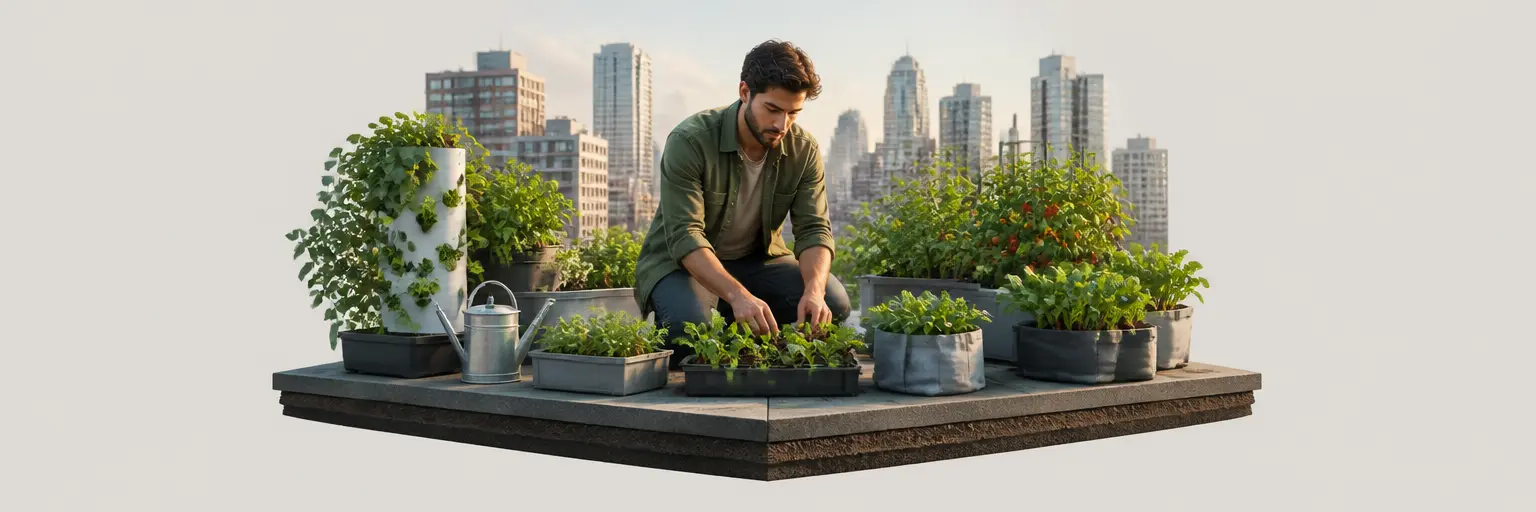
The Magic of Urban Gardening: Transforming City Spaces into Green Havens
Start your urban garden and grow fresh, healthy food wherever you live! 🌱 Discover practical tips for choosing containers, preparing soil, selecting easy-to-grow vegetables and herbs, and maximizing balconies, patios, rooftops, or small indoor spaces. Learn sustainable, organic gardening methods that make homegrown produce accessible, rewarding, and eco-friendly. 🥕 Begin cultivating your own food today with simple urban farming ideas from CultivateYourFood!
7 articles
The Secret to Successful Urban Gardening: Planning and Preparation
How to Start an Urban Garden: A Detailed StepbyStep Approach
Urban Garden 101: Essential Knowledge for New Gardeners
Urban Garden Maintenance: Keeping Your Plants Healthy and Productive
Vertical Gardening 101: Growing Up, Not Out, in Limited Urban Spaces
The Art and Science of Urban Gardening: A Holistic Approach
🌱 Starting an Urban Garden: Grow Fresh Food in Any Space
Welcome to Starting an Urban Garden at CultivateYourFood, your practical guide to growing fruits, vegetables, and herbs in cities and small homes. Whether you have a balcony, rooftop, patio, windowsill, community plot, or compact backyard, you can create a productive garden using sustainable, organic, and space-saving methods. Discover how to plan your urban garden, choose suitable crops, prepare healthy soil, use containers, conserve water, and build confidence from your first planting to your first harvest.
🏙️ Plan Your Urban Garden with Confidence
Successful city gardening begins with a clear plan. Learn how to assess sunlight, wind exposure, available space, access to water, and local growing conditions before selecting plants. Our resources explain how to create an urban garden layout for balconies, patios, rooftops, windowsills, and small yards while making the most of every available area.
You will also find guidance on setting realistic gardening goals, creating a seasonal planting schedule, and choosing crops that match your experience level. Thoughtful planning helps reduce wasted space, unnecessary costs, and disappointing harvests, making it easier to grow fresh food consistently in an urban environment.
🪴 Choose Containers, Raised Beds, and Vertical Growing Systems
Container gardening is one of the easiest ways to start growing food in the city. Explore advice on selecting pots, grow bags, window boxes, raised beds, and recycled containers for vegetables, herbs, and fruit plants. Learn how container size, drainage, material, and placement affect plant health and productivity.
For very small spaces, discover vertical gardening ideas such as trellises, hanging planters, wall gardens, and tiered shelves. Space-efficient gardening techniques allow you to grow more food without needing a traditional garden plot, while keeping your growing area organized, attractive, and accessible.
☀️ Select the Best Plants for Small Spaces
Choosing the right crops is essential when starting an urban garden. Learn which vegetables, herbs, and fruits perform well in containers and limited spaces, including leafy greens, tomatoes, peppers, radishes, carrots, beans, strawberries, basil, parsley, mint, and chives. You can also explore compact, dwarf, bush, and patio varieties designed for urban growing.
Our content helps you match plants with sunlight and seasonal conditions. Find out which crops tolerate partial shade, which need full sun, and which can be grown indoors near a bright window. Growing beginner-friendly plants first can provide quick results and motivate you to expand your edible garden.
🌿 Build Healthy Organic Soil and Compost
Healthy soil is the foundation of productive urban gardening. Learn how to create or purchase high-quality potting mixes, improve drainage, add organic matter, and provide the nutrients plants need. Our guides explain the difference between garden soil, compost, seed-starting mix, and container mix so you can choose the right growing medium for every crop.
Discover sustainable composting methods for turning kitchen scraps and garden waste into valuable soil amendments. Whether you use a compost bin, worm composting system, or small indoor setup, compost helps support healthy roots, beneficial microorganisms, and long-term soil fertility without relying heavily on synthetic fertilizers.
💧 Master Watering and Sustainable Resource Use
Urban gardens often dry out quickly, especially when plants grow in containers exposed to sun and wind. Learn how to check soil moisture, water deeply, prevent overwatering, and create a reliable watering routine. You will also find practical tips for using drip irrigation, self-watering containers, mulch, and collected rainwater where permitted.
Sustainable gardening means using resources responsibly. Explore ways to reduce water waste, reuse safe containers, select drought-tolerant crops, and improve soil moisture retention. Efficient watering supports stronger plants while lowering maintenance and environmental impact.
🐞 Prevent Pests and Plant Diseases Naturally
Growing food in an urban environment does not require harsh chemicals. Learn how to identify common garden pests and diseases, including aphids, caterpillars, spider mites, fungal problems, and soil-borne issues. Our organic pest control guidance focuses on prevention, observation, clean gardening practices, and healthy plant care.
Discover natural solutions such as physical barriers, companion planting, beneficial insects, neem-based products used responsibly, insecticidal soap, and homemade monitoring methods. Integrated pest management helps protect your harvest while supporting pollinators and urban biodiversity.
🌼 Support Pollinators and Urban Biodiversity
An urban garden can become a valuable habitat for bees, butterflies, birds, and other beneficial wildlife. Learn how to add flowering herbs, native plants, pesticide-free blooms, shallow water sources, and sheltered areas that encourage pollinators to visit your growing space.
Pollinator-friendly gardening can also improve fruit and vegetable production, particularly for crops that depend on insect pollination. By combining edible plants with flowers and natural habitats, you can create a healthier and more resilient urban ecosystem.
🌾 Harvest Fresh Produce and Keep Your Garden Productive
Knowing when and how to harvest is an important part of starting an urban garden. Find guidance on harvesting leafy greens, herbs, root vegetables, tomatoes, peppers, beans, strawberries, and other homegrown crops. Learn how regular harvesting can encourage continued production and improve flavor and freshness.
You will also discover ways to extend the growing season, succession plant quick crops, save seeds, and prepare your garden for the next planting cycle. Smart harvesting and seasonal maintenance help transform a small urban garden into a reliable source of fresh food.
❓ Frequently Asked Questions About Starting an Urban Garden
🌱 What is the easiest way to start an urban garden?
Begin with a few containers in a location that receives suitable sunlight. Choose beginner-friendly crops such as lettuce, herbs, radishes, bush beans, or cherry tomatoes. Use containers with drainage holes, quality organic potting mix, and a simple watering routine. Starting small makes it easier to learn and maintain healthy plants.
☀️ How much sunlight does an urban garden need?
Most fruiting vegetables, including tomatoes and peppers, need approximately six to eight hours of direct sunlight per day. Leafy greens and many herbs can tolerate partial shade. Observe your space throughout the day and place each plant according to its light requirements.
🪴 Can I grow vegetables without a backyard?
Yes. You can grow food on a balcony, patio, rooftop, windowsill, fire-escape-approved planter area, or indoor growing shelf, provided the location is safe and permitted. Containers, hanging baskets, vertical planters, and compact raised beds make it possible to grow an edible garden in limited space.
🌿 What soil is best for container vegetable gardening?
A lightweight, well-draining organic potting mix is usually best for containers. Avoid using heavy garden soil alone because it may compact and restrict drainage. A quality mix containing compost or other organic matter can provide structure, moisture retention, and nutrients for healthy root growth.
🐞 How can I control pests organically in an urban garden?
Start by inspecting plants regularly and removing pests by hand when possible. Encourage beneficial insects, use row covers or mesh barriers, keep plants properly watered, remove diseased leaves, and avoid overcrowding. Organic treatments such as insecticidal soap may help when used according to label instructions. Healthy plants and early action are key parts of effective natural pest control.