
Understanding the Role of Oxygen in Hydroponics: Essential for Root Health
🌱 Transform your home into a thriving garden with hydroponic and aquaponic systems! Discover space-saving, soil-free methods for growing fresh vegetables, herbs, and fruits sustainably—even in apartments or small urban spaces. Learn how to choose equipment, balance nutrients, manage water, and create a productive urban farming setup using organic, eco-friendly practices. Aquaponics combines plant cultivation with fish care, while hydroponics delivers efficient growth with minimal water use. 🥬🐟 Start cultivating nutritious homegrown produce year-round with expert guidance from CultivateYourFood!
6 articles
Controlling Pests in Hydroponics and Aquaponics: Natural and Organic Methods
The Best Hydroponic Systems for Growing Herbs: A Detailed Guide
Hydroponics vs. Aquaponics: Which System is Right for Your Home Garden?
How to Build a Simple and Affordable Hydroponic System Using Recycled Materials
How to Automate Your Hydroponic or Aquaponic System: Saving Time and Effort
🌱 Setting Up a Hydroponic or Aquaponic System at Home
Discover how to grow fresh vegetables, fruits, herbs, and leafy greens in small spaces with a practical home hydroponic or aquaponic system. This CultivateYourFood guide helps urban gardeners understand soilless growing, nutrient management, water circulation, fish care, lighting, and sustainable food production. Whether you live in an apartment, balcony, greenhouse, or backyard, you can create an efficient indoor or outdoor garden using hydroponic gardening or a naturally balanced aquaponics system.
💧 Understanding Hydroponic and Aquaponic Gardening
Hydroponics grows plants without soil by delivering water, oxygen, and carefully measured nutrients directly to the roots. Aquaponics combines hydroponic plant production with fish farming, allowing fish waste to provide nutrients while plants help filter and clean the water. Both methods are excellent for urban farming, conservation, and year-round home food production.
Readers can compare popular systems such as deep water culture, nutrient film technique, drip irrigation, ebb and flow, wick systems, media beds, and flood-and-drain aquaponics. You will also learn how these approaches differ in cost, maintenance, space requirements, water use, plant selection, and suitability for beginners.
🧰 Choosing the Right Home Growing System
Selecting the right setup depends on your available space, budget, experience, and gardening goals. A compact countertop hydroponic garden may be ideal for growing herbs and salad greens, while a larger vertical garden, greenhouse system, or aquaponic grow bed can support more substantial food production.
Expect practical guidance on choosing reservoirs, grow trays, air pumps, water pumps, tubing, net pots, growing media, timers, grow lights, testing tools, and protective equipment. A well-planned system improves plant health, reduces wasted water, and makes routine care easier for new and experienced urban farmers.
🌿 Selecting Plants for Soilless Growing
Hydroponic and aquaponic systems are especially effective for fast-growing crops such as lettuce, spinach, kale, arugula, basil, mint, cilantro, parsley, and other culinary herbs. With suitable lighting, temperature, support, and pollination, gardeners can also grow tomatoes, peppers, cucumbers, strawberries, and dwarf varieties of larger plants.
This subcategory explains how to match crops with system size, nutrient availability, root space, and growth rate. You will learn why leafy greens and herbs are beginner-friendly, how to support fruiting plants, and how succession planting can provide a continuous harvest in a small home garden.
💡 Lighting, Temperature, and Growing Conditions
Indoor hydroponic gardening requires reliable light because plants cannot thrive without sufficient intensity and duration. Full-spectrum LED grow lights are popular for home systems because they provide efficient illumination while producing less heat than many traditional bulbs. Light placement, daily schedules, and plant height all influence growth.
You will also find advice about air circulation, humidity, water temperature, room ventilation, and seasonal adjustments. Maintaining stable environmental conditions helps prevent stress, disease, algae growth, and poor yields while supporting healthy roots, strong stems, and productive plants.
🧪 Managing Water, Nutrients, and pH
Successful soilless gardening depends on balanced water chemistry. Hydroponic growers must monitor nutrient concentration, pH, water temperature, and reservoir levels to ensure plants can absorb essential elements. Aquaponic gardeners must balance fish health, beneficial bacteria, plant needs, ammonia, nitrite, and nitrate levels.
Readers can expect clear information about pH testing, electrical conductivity, nutrient solutions, water changes, filtration, aeration, and cycling an aquaponic system. Consistent monitoring prevents nutrient deficiencies, root damage, fish stress, and unstable growing conditions.
🐟 Building a Healthy Aquaponic Ecosystem
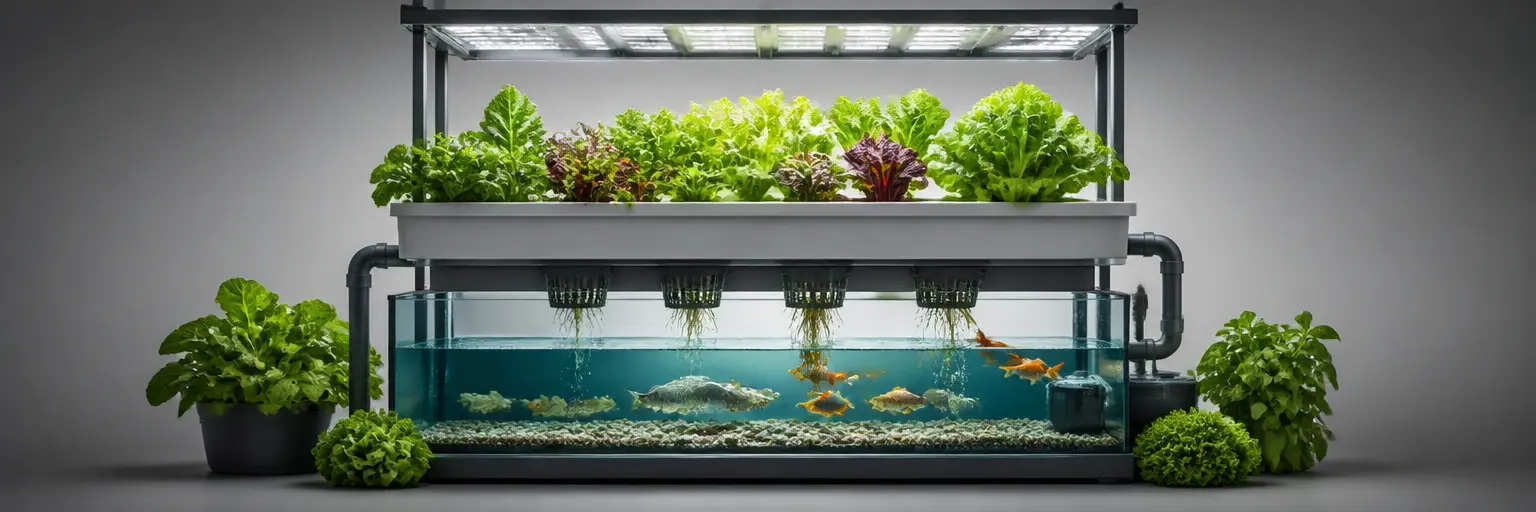
An aquaponic garden is a living ecosystem that connects fish, bacteria, water, and plants. Fish produce ammonia-rich waste, beneficial bacteria convert it into plant-available nutrients, and the plants help clean the recirculating water. Understanding this nitrogen cycle is essential before adding fish or seedlings.
This section covers tank sizing, fish selection, filtration, aeration, stocking levels, water testing, cycling, and humane fish care. You will learn why system stability should come before maximum production and how responsible management supports sustainable food growing at home.
🔧 Maintenance, Troubleshooting, and Harvesting
Regular maintenance keeps a home hydroponic or aquaponic system productive. Important tasks include checking water levels, cleaning pumps, inspecting roots, removing dead leaves, measuring pH and nutrient levels, managing algae, and watching for pests or disease. A simple routine can prevent small problems from becoming costly failures.
Expect troubleshooting guidance for yellow leaves, slow growth, clogged tubing, pump failure, cloudy water, root rot, algae, nutrient deficiencies, and fish health concerns. You will also learn how to harvest herbs and leafy greens correctly so plants continue producing fresh, nutritious food throughout the growing season.
❓ Frequently Asked Questions About Home Hydroponic and Aquaponic Systems
🌱 Is hydroponics or aquaponics better for beginners?
Hydroponics is often easier for beginners because it has fewer living components and allows direct control over nutrients. Aquaponics can be highly rewarding, but it requires fish care, biological filtration, water testing, and patience while the system cycles. Choose hydroponics for simplicity or aquaponics if you want an integrated ecosystem.
💰 How much does it cost to set up a home system?
Costs vary depending on the size and complexity of the garden. A basic DIY hydroponic herb system can be inexpensive, while larger systems with LED lighting, automation, filtration, and fish tanks require a greater investment. Starting small helps reduce risk and allows you to learn before expanding.
💧 How often should hydroponic water be changed?
Water change frequency depends on the system, plant size, reservoir volume, and nutrient levels. Many growers top up water as needed and perform a partial or complete change every few weeks. Always monitor pH, nutrient concentration, odor, algae, and water clarity to determine the best schedule.
🐟 What fish are suitable for a home aquaponics system?
Suitable fish depend on local regulations, climate, tank size, and your goals. Tilapia are commonly used in warm systems, while trout, goldfish, koi, and certain native species may suit different conditions. Choose healthy, responsibly sourced fish and ensure the tank provides adequate oxygen, filtration, and swimming space.
🌿 Can hydroponic and aquaponic gardens grow organic food?
These systems do not use soil, but you can follow organic and sustainable gardening principles by selecting responsible inputs, avoiding synthetic pesticides, conserving water, and using natural pest control methods. Always check the certification rules in your region if you plan to market produce as officially organic.