
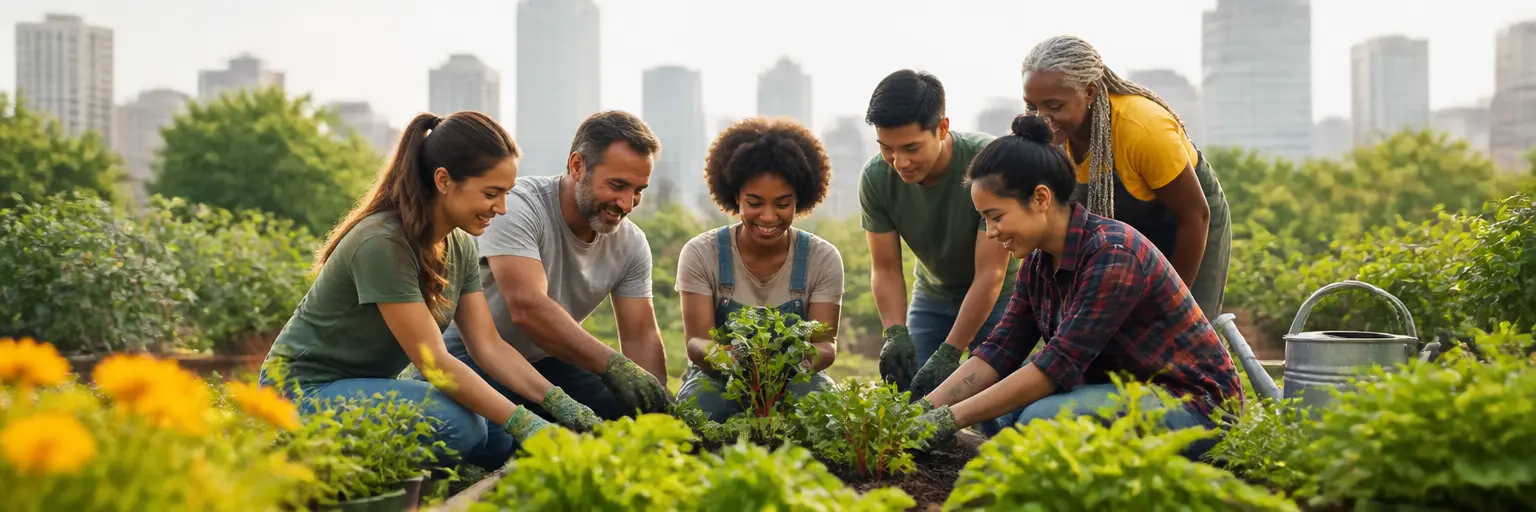
Beyond the Garden Gate: The Ripple Effect of Community Gardening Initiatives
Discover how Community Gardening Initiatives bring neighbors together to grow fresh, organic food in shared urban spaces 🌱🥕 Learn practical tips for planning garden plots, composting, conserving water, supporting pollinators, and using natural pest control. Whether you’re a beginner or an experienced gardener, explore sustainable urban farming ideas that strengthen communities, improve local food access, and make healthy homegrown produce more accessible.
6 articles
The Community Garden Movement: A History of Shared Spaces and Food Security
Sowing Seeds of Change: How Community Gardens are Addressing Food Deserts
The Economics of Community Gardens: How Shared Spaces Benefit Local Economies
Building Community, One Garden at a Time: The Impact of Shared Green Spaces
Urban Farming Revolution: The Rise of Community Gardens in Cities
🌱 Community Gardening Initiatives for Sustainable Urban Farming
Discover how Community Gardening Initiatives bring neighbors together to grow fresh fruits, vegetables, and herbs in cities. This Urban Farming subcategory from CultivateYourFood offers practical guidance on starting, joining, and maintaining shared gardens using sustainable, organic, and environmentally friendly methods. Learn about garden planning, soil preparation, composting, water conservation, natural pest control, seasonal planting, harvesting, and inclusive community participation.
🤝 Starting a Community Garden
Learn how to transform vacant lots, schoolyards, rooftops, balconies, and shared outdoor spaces into productive community gardens. Our resources explain how to assess sunlight, test soil, choose suitable crops, create planting layouts, organize tools, and develop clear garden rules for successful urban food production.
Whether you are forming a neighborhood gardening group or creating a small shared vegetable garden, you will find guidance on project planning, volunteer coordination, fundraising, permissions, and long-term maintenance. Discover practical ways to build a welcoming space that supports local food growing and strengthens community connections.
🌿 Organic Growing and Soil Health
Healthy soil is the foundation of every productive community garden. Explore organic soil improvement techniques, including homemade compost, leaf mold, mulch, cover crops, crop rotation, and natural fertilizers. These methods help improve soil structure, retain moisture, and provide essential nutrients without relying on synthetic chemicals.
Readers can also learn how to identify common soil problems and create affordable solutions for raised beds, containers, and in-ground plots. Regenerative gardening practices support healthier plants, beneficial soil organisms, and sustainable harvests throughout the growing season.
🍅 Growing Food in Shared Urban Spaces
Find ideas for growing vegetables, fruits, herbs, and edible flowers in limited city spaces. From tomatoes, peppers, lettuce, beans, and carrots to strawberries, culinary herbs, and pollinator-friendly plants, our content helps community gardeners select crops suited to local climates and available space.
Expect practical advice on succession planting, companion planting, vertical gardening, raised beds, container gardening, and seasonal crop planning. These strategies make it easier to maximize yields while ensuring that a shared garden remains productive, attractive, and accessible to gardeners of different experience levels.
♻️ Composting and Waste Reduction
Community gardens can reduce household waste while creating valuable organic matter for growing food. Learn how to establish a shared composting system using fruit and vegetable scraps, leaves, grass clippings, and other suitable materials. Helpful guidance covers compost bins, balanced green and brown materials, moisture, aeration, and troubleshooting.
Discover how compost supports healthy plant growth, natural soil fertility, and sustainable urban agriculture. Our resources also explore mulching, seed saving, reusing containers, and reducing plastic waste to help community gardens operate responsibly and affordably.
🐞 Natural Pest Control and Pollinator Support
Protect shared crops with organic pest management methods that are safe for people, pets, pollinators, and beneficial insects. Learn how to recognize plant diseases, deter common garden pests, encourage predatory insects, use physical barriers, and apply natural treatments when necessary.
Community gardens can also become important habitats for bees, butterflies, birds, and other wildlife. Explore native flowers, insect hotels, pesticide-free gardening, companion planting, and water sources that promote biodiversity and balanced urban ecosystems.
💧 Water Conservation and Climate-Resilient Gardening
Efficient watering is essential for productive urban gardens, especially during hot or dry weather. Discover rainwater harvesting, drip irrigation, soaker hoses, water-wise crop selection, deep watering, and moisture-retaining mulch. These techniques help reduce water waste while supporting strong root development.
Learn how community gardens can adapt to changing weather conditions through shade structures, wind protection, heat-tolerant varieties, soil improvement, and flexible planting schedules. Climate-smart gardening practices make shared food-growing spaces more resilient and dependable.
🌍 Inclusive Community Engagement and Education
Successful community gardening initiatives welcome people of all ages, backgrounds, abilities, and gardening experience levels. Find ideas for hosting planting days, harvest celebrations, workshops, children’s activities, seed exchanges, and skill-sharing events that encourage participation and build lasting relationships.
Explore ways to create accessible paths, raised beds, multilingual resources, shared schedules, and equitable harvest systems. Community gardens can provide more than food: they support environmental education, food security, mental well-being, cultural exchange, and neighborhood resilience.
❓ Frequently Asked Questions About Community Gardening Initiatives
What is a community gardening initiative?
A community gardening initiative is a shared project in which individuals, families, schools, organizations, or neighborhood groups grow plants together. These gardens may produce vegetables, fruits, herbs, flowers, or native plants while promoting urban farming, sustainability, education, and community connection.
How can I start a community garden in my neighborhood?
Begin by identifying interested residents, finding a suitable site, checking local permissions, testing the soil, and creating a simple garden plan. Establish responsibilities, funding options, tool storage, watering arrangements, planting schedules, and shared rules before beginning construction or planting.
What are the best crops for a community garden?
Choose productive crops that suit the local climate, available sunlight, and gardeners’ preferences. Popular options include leafy greens, tomatoes, peppers, beans, cucumbers, carrots, onions, strawberries, basil, mint, parsley, and other culinary herbs. A mix of quick-growing and long-season crops can provide harvests over an extended period.
How can community gardens use organic pest control?
Use prevention first by improving soil health, rotating crops, selecting resistant varieties, removing diseased plant material, and encouraging beneficial insects. Hand-picking pests, installing row covers, using companion plants, and applying approved natural treatments can help protect crops while avoiding unnecessary synthetic pesticides.
How do community gardens support sustainable urban farming?
Community gardens produce local food, improve access to fresh ingredients, reuse organic waste through composting, conserve resources, and create habitat for pollinators. They also teach practical skills such as planting, harvesting, seed saving, soil care, and natural pest management, making them valuable parts of a resilient urban food system.