
Sustainable Practices
Discover sustainable gardening practices that help you grow healthy, organic food while caring for the planet 🌱 Learn practical ways to conserve water, reduce garden waste, enrich soil naturally, support pollinators and wildlife, and extend your growing season. Whether you’re cultivating fruits, vegetables, or herbs, these eco-friendly gardening tips make home growing more efficient, resilient, and rewarding—helping you create a greener garden and a healthier harvest.
 Building a DIY Greenhouse or Cold Frame
 Water Conservation in the Garden
 Attracting Beneficial Insects
 Sheet Mulching and Lasagna Gardening
 Creating a Wildlife-Friendly Garden
 The Environmental Benefits of Home Gardening
 Rainwater Harvesting for Gardens
 Reducing Waste in the Garden
Sustainable Practices for a Healthier, More Productive Garden
Discover practical, eco-friendly gardening methods with CultivateYourFood’s sustainable practices guide. Whether you are growing vegetables in raised beds, cultivating herbs on a balcony, or planting fruit trees in your backyard, sustainable gardening can help you conserve resources, improve soil health, reduce waste, and grow nutritious food naturally.
Explore proven organic gardening techniques, including composting, rainwater collection, water conservation, sheet mulching, natural pest control, wildlife gardening, and season extension. Each guide is designed to help beginners and experienced gardeners create a productive home garden while supporting biodiversity and protecting the environment. Small, consistent changes can create a more resilient and sustainable food-growing system.
♻️ Reducing Waste in the Garden
Learn how to reduce garden waste by reusing materials, composting kitchen scraps, saving seeds, and choosing durable gardening supplies. This subcategory covers practical ways to keep plant trimmings, fallen leaves, cardboard, and organic household waste out of landfills while turning them into valuable garden resources.
Readers can also discover how to make homemade compost, reuse containers, repair garden tools, and plan plantings to avoid unnecessary waste. Waste reduction improves soil fertility and lowers gardening costs while supporting a more circular and environmentally responsible garden.
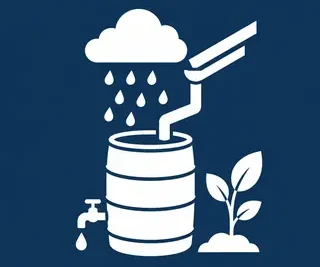
🌧️ Rainwater Harvesting for Gardens
Explore simple rainwater harvesting systems for collecting and storing natural rainfall for vegetables, herbs, flowers, and fruit plants. Learn about rain barrels, downspout diverters, storage containers, overflow management, and safe ways to distribute collected water throughout the garden.
This section explains how rainwater can reduce dependence on treated municipal water and provide plants with a naturally soft source of hydration. Responsible rainwater collection helps conserve water while preparing your garden for dry periods and changing weather conditions.
🌎 The Environmental Benefits of Home Gardening
Discover how home gardening can benefit the environment by supporting local food production, reducing food miles, improving soil, and creating habitat for pollinators. Growing fruits, vegetables, and herbs at home can also reduce packaging waste and encourage more sustainable food choices.
Learn how organic gardening practices, compost application, native plants, and reduced chemical use contribute to healthier ecosystems. A well-managed garden can store carbon, protect biodiversity, and improve local environmental health while providing fresh food for your household.
🦋 Creating a Wildlife-Friendly Garden
Find out how to design a garden that welcomes birds, bees, butterflies, beneficial insects, and other helpful wildlife. This guide covers native plants, flowering habitats, shelter, nesting areas, shallow water sources, and chemical-free gardening practices.
Readers will learn how to provide food and protection throughout the seasons without sacrificing vegetable production. Wildlife-friendly gardening strengthens local biodiversity and can improve pollination and natural pest control in an edible garden.
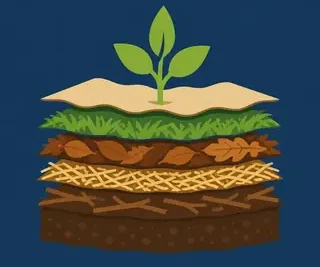
🍂 Sheet Mulching and Lasagna Gardening
Learn how sheet mulching and lasagna gardening can transform lawns, compacted soil, and weedy areas into rich planting beds without intensive digging. These no-dig methods use layers of cardboard, compost, leaves, straw, and other organic materials to suppress weeds and build soil naturally.
This section explains how to prepare the site, choose safe materials, create effective layers, and determine when the bed is ready for planting. Layered organic matter improves moisture retention, soil structure, and fertility while reducing erosion and labor.
🐝 Attracting Beneficial Insects
Discover how to attract beneficial insects such as ladybugs, lacewings, hoverflies, parasitic wasps, and predatory beetles. These natural allies help control aphids, caterpillars, mites, and other common garden pests without relying on harsh synthetic pesticides.
Learn which flowers, herbs, and native plants provide nectar, pollen, shelter, and habitat throughout the growing season. Encouraging beneficial insects creates a balanced garden ecosystem and supports organic pest management.
💧 Water Conservation in the Garden
Explore effective ways to conserve water while keeping plants healthy and productive. Topics include deep watering, drip irrigation, soaker hoses, soil improvement, mulching, drought-tolerant plants, efficient watering schedules, and moisture monitoring.
Readers will learn how to reduce evaporation and runoff by watering at the right time and matching irrigation methods to plant needs. Water-wise gardening saves resources, lowers utility costs, and improves plant resilience during hot or dry weather.
🌱 Building a DIY Greenhouse or Cold Frame
Learn how to build an affordable DIY greenhouse or cold frame for starting seeds, protecting tender plants, and extending the growing season. This subcategory covers suitable materials, site selection, ventilation, insulation, temperature control, and basic construction considerations.
With a greenhouse or cold frame, gardeners can begin seedlings earlier, protect crops from frost, and continue growing later into the year. Season-extension structures make home food production more flexible while helping gardeners get more value from every growing season.
❓ Frequently Asked Questions About Sustainable Gardening
What is sustainable gardening?
Sustainable gardening uses methods that conserve water, protect soil, reduce waste, support biodiversity, and limit dependence on synthetic chemicals. Examples include composting, organic pest control, rainwater harvesting, mulching, crop diversity, and planting wildlife-friendly species.
How can I make my garden more eco-friendly?
Start by improving the soil with compost, using mulch to conserve moisture, collecting rainwater, avoiding unnecessary pesticides, and choosing native or climate-appropriate plants. Reusing containers and garden materials can also reduce waste and lower costs.
Is rainwater safe for watering vegetables?
Rainwater is generally suitable for garden plants when collected from clean, appropriate surfaces and stored in a covered container. Avoid collecting runoff from surfaces treated with chemicals or materials that may contaminate the water, and follow local regulations regarding rainwater harvesting.
What is the best way to reduce water use in a vegetable garden?
Apply organic mulch, water deeply at the plant roots, use drip irrigation or soaker hoses, and water during the cooler parts of the day. Improving soil with compost also helps it hold moisture longer between watering sessions.
How do sustainable practices help organic gardening?
Sustainable practices support organic gardening by improving soil fertility, conserving natural resources, and encouraging natural pest control. Compost, beneficial insects, crop diversity, mulch, and nonchemical growing methods help create a productive garden with fewer external inputs.