
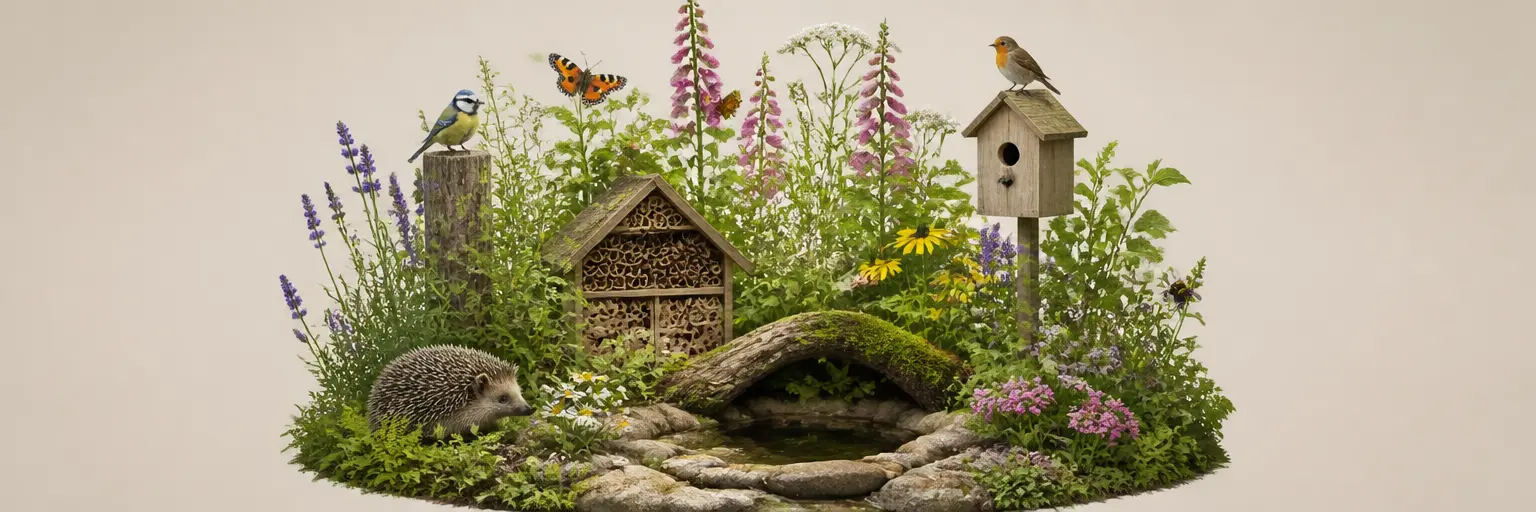
The Importance of Biodiversity: Why a Variety of Wildlife Is Crucial
Transform your outdoor space into a thriving haven for nature with wildlife-friendly garden ideas 🌿🐝 Discover sustainable, organic ways to attract pollinators, birds, butterflies, and beneficial insects using native plants, natural habitats, water sources, and chemical-free gardening methods. Create a healthier ecosystem while cultivating beautiful fruits, vegetables, and herbs at home—supporting biodiversity and making every garden more productive, resilient, and eco-friendly. 🌻🦋
6 articles
How to Create a BugFriendly Garden: Encouraging a Variety of Insects
Boost Your Harvest: The Essential Role of Beneficial Insects in Your Garden
Winter Wildlife Care: Providing Food and Shelter During Cold Months
The Impact of Artificial Light: Protecting Nighttime Wildlife in Your Garden
Understanding Bird Migration: How Your Garden Can Help Migratory Birds
Creating a Wildlife-Friendly Garden: Sustainable Ideas for Biodiversity 🐝
Welcome to Creating a Wildlife-Friendly Garden at CultivateYourFood, a practical resource for growing fruits, vegetables, and herbs while supporting birds, bees, butterflies, beneficial insects, and other garden wildlife. Discover organic gardening techniques, pollinator-friendly planting ideas, natural pest control methods, composting guidance, and habitat-building tips that help transform your garden into a healthy, productive, and sustainable ecosystem.
🌼 Planting for Pollinators and Beneficial Insects
Learn how to choose native flowers, herbs, fruits, and vegetables that provide nectar, pollen, shelter, and nesting opportunities throughout the growing season. Our guides explain how to create pollinator gardens with plants that attract bees, butterflies, hoverflies, and other beneficial insects without relying on synthetic chemicals.
Expect practical advice on selecting flowering plants for spring, summer, and autumn, grouping plants by habitat needs, and combining edible crops with ornamental flowers. These strategies can improve pollination, garden biodiversity, and vegetable yields while making your outdoor space more attractive and resilient.
🐦 Creating Habitat for Birds and Small Wildlife
Explore simple ways to make your garden welcoming to songbirds, hedgehogs, frogs, lizards, and other helpful wildlife. Learn about bird-friendly plants, natural cover, nesting spaces, shallow water sources, wildlife shelters, and safe areas where animals can feed and rest.
Our content focuses on low-cost, wildlife-friendly garden improvements that work in backyards, balconies, allotments, and community gardens. You will also learn how to protect wildlife from common hazards while maintaining productive beds for homegrown food.
🌿 Natural Pest Control and Garden Balance
Discover how to manage garden pests using organic and wildlife-supporting pest control rather than harmful pesticides. Helpful insects such as ladybirds, lacewings, ground beetles, and parasitic wasps can naturally reduce aphids, caterpillars, slugs, and other unwanted visitors.
Expect guidance on companion planting, crop rotation, physical barriers, healthy soil, hand removal, and habitat creation for natural predators. These methods help maintain a balanced garden ecosystem while protecting edible plants, beneficial organisms, pets, and local wildlife.
💧 Providing Water, Shelter, and Safe Feeding Areas
Water and shelter are essential components of a wildlife-friendly garden. Learn how to add birdbaths, insect watering stations, ponds, log piles, rock shelters, leaf piles, and dense planting areas that offer safe habitats for wildlife during hot, dry, and cold weather.
Our recommendations emphasize hygiene, safety, and responsible wildlife care. You will find advice on cleaning water sources, preventing drowning, avoiding invasive plants, and offering natural food through diverse planting instead of depending solely on bird feeders.
🍂 Composting, Soil Health, and Natural Garden Habitats
Healthy soil supports healthy plants and a thriving food web. Learn how composting kitchen scraps, garden waste, fallen leaves, and organic materials can improve soil structure, conserve moisture, and provide habitat for earthworms, microorganisms, and decomposers.
These resources connect composting, regenerative gardening, mulching, and wildlife conservation. Discover how to reduce garden waste, build fertile soil naturally, and create productive growing conditions for vegetables, herbs, fruits, and pollinator plants.
❓ Frequently Asked Questions About Wildlife-Friendly Gardens
What is a wildlife-friendly garden?
A wildlife-friendly garden is an outdoor space designed to provide food, water, shelter, and nesting opportunities for birds, pollinators, beneficial insects, amphibians, and other local wildlife. It can include edible crops, native plants, compost areas, water sources, and pesticide-free habitats.
Which plants attract bees and butterflies?
Bee- and butterfly-friendly plants include lavender, thyme, rosemary, borage, marjoram, sunflowers, calendula, echinacea, mint, and many native flowering species. Choose plants with different flowering periods to provide nectar throughout the year, and avoid treating them with harmful pesticides.
How can I control pests without harming wildlife?
Use organic methods such as crop rotation, companion planting, insect netting, mulching, hand-picking, healthy soil management, and encouraging natural predators. Avoid broad-spectrum pesticides, which can harm pollinators, birds, beneficial insects, and aquatic life.
Should I add a pond to my wildlife garden?
A pond can provide valuable habitat for frogs, newts, insects, and birds, but even a shallow container or small wildlife water station can help. Include stones, sticks, or gently sloping edges so insects and small animals can access the water safely.
How does composting help garden wildlife?
Composting reduces household and garden waste while creating nutrient-rich organic matter for growing plants. A compost area also supports worms, beetles, fungi, and microorganisms, helping build healthy soil and a diverse garden ecosystem without synthetic fertilizers.