
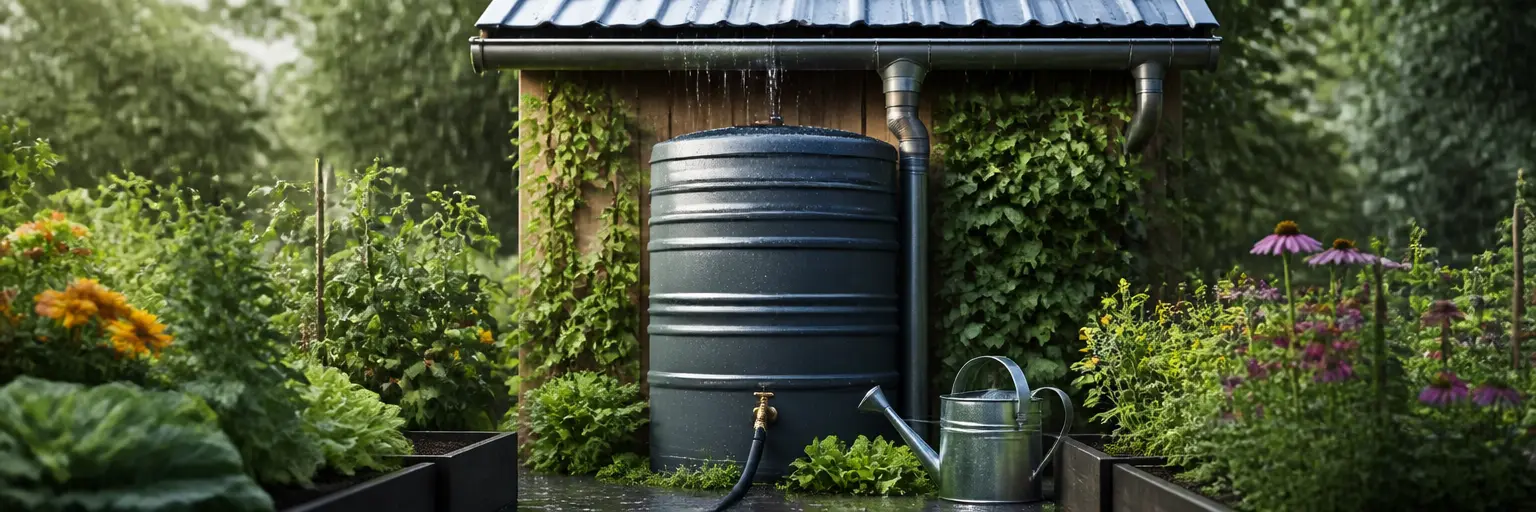
Maximizing Rainwater Collection: Tips and Tricks for Home Gardens
💧 Rainwater Harvesting for Gardens helps you conserve water, reduce gardening costs, and grow healthier plants sustainably. Discover practical ways to collect, store, and reuse rainwater for organic home gardening while supporting soil health and protecting valuable natural resources. 🌱 Incorporate eco-friendly water management into your garden and cultivate fresh fruits, vegetables, and herbs with confidence.
7 articles
Winterizing Your Rain Barrel: Essential Steps for Cold Climates
GravityFed Rainwater Systems: A Simple and Efficient Approach
The Impact of Rainwater Harvesting on Your Water Bill
Elevate Your Garden: The Benefits of Using a Rain Barrel Stand
How to Maintain Your Rainwater Harvesting System for Longevity
Understanding Rainwater Acidity and Its Effect on Your Garden
🌧️ Rainwater Harvesting for Gardens: Sustainable Watering Solutions
Discover practical ways to collect, store, and use rainwater for a healthier, more sustainable garden. This subcategory on CultivateYourFood explains how home gardeners can reduce reliance on mains water, conserve natural resources, and provide plants with naturally soft, chemical-free irrigation. Explore rain barrels, water collection systems, garden reservoirs, rainwater filtration, overflow management, and efficient watering techniques for growing organic fruits, vegetables, and herbs at home.
💧 How Rainwater Harvesting Benefits Your Garden
Rainwater harvesting helps gardeners capture precipitation from roofs, sheds, greenhouses, and other surfaces before it runs into drains. Stored rainwater can support vegetable gardens, fruit trees, herb beds, containers, raised beds, and greenhouse crops, especially during dry periods or local watering restrictions.
Because rainwater is generally softer than treated tap water, it may be particularly useful for plants that respond well to lower mineral levels. Our guides explain how water conservation, sustainable gardening, and organic growing practices can work together to reduce waste while maintaining consistent soil moisture.
🛢️ Choosing Rain Barrels and Water Storage Tanks
Find guidance on selecting the right rain barrel, water butt, storage tank, or garden reservoir for your available space and watering needs. Learn how to compare capacity, materials, lids, taps, child-safe features, mosquito protection, and compatibility with downpipes and irrigation equipment.
Whether you have a balcony garden, small urban plot, allotment, or large backyard, the right storage solution makes rainwater collection more convenient. Our advice helps you calculate approximate water demand and choose a durable system that is practical, hygienic, and suitable for year-round garden use.
🔧 Installing a Home Rainwater Collection System
Learn the essential steps for setting up a reliable rainwater harvesting system at home. Topics include connecting gutters and downpipes, installing diverters, positioning rain barrels on stable bases, fitting secure lids, and directing collected water safely into storage containers.
Detailed explanations help you avoid common installation problems such as overflowing barrels, unstable tanks, blocked filters, and poor drainage around foundations. You can also discover how to create a simple DIY rainwater collection system while knowing when a larger professional installation may be more suitable.
🌱 Using Collected Rainwater for Fruits, Vegetables, and Herbs
Explore efficient ways to deliver harvested rainwater to plants, including watering cans, hoses, drip irrigation, soaker hoses, olla systems, and gravity-fed irrigation. These methods can reduce evaporation and place water close to plant roots, supporting healthier growth with less waste.
Our sustainable gardening content covers watering schedules for seedlings, leafy greens, tomatoes, peppers, cucumbers, berries, fruit trees, culinary herbs, and container plants. Learn how to adjust irrigation according to rainfall, soil type, season, temperature, plant maturity, and local growing conditions.
🧼 Rainwater Quality, Filtration, and Garden Safety
Good water management begins with keeping collection and storage equipment clean. Discover how to use leaf screens, first-flush diverters, filters, covered containers, and regular inspections to help remove debris and limit contamination from roofs, gutters, insects, and animals.
Rainwater collected for edible crops should be managed carefully, particularly when water comes from roofs treated with chemicals or made from unsuitable materials. Our guides explain safe rainwater storage for gardening, cleaning routines, and sensible precautions for organic food production.
☀️ Managing Rainwater During Dry Weather
Stored rainwater is most valuable when rainfall is irregular or drought conditions affect your garden. Learn how to plan water reserves, prioritize thirsty crops, use mulch to slow evaporation, improve soil structure with compost, and apply deep watering techniques.
Combining rainwater harvesting with water-wise gardening can help plants cope with heat and dry spells. Explore strategies such as planting drought-tolerant varieties, grouping plants by water requirements, reducing bare soil, and monitoring moisture before watering.
🔄 Overflow, Drainage, and Sustainable Garden Design
A well-designed rainwater system must safely manage excess water during heavy storms. Learn how to connect overflow outlets to rain gardens, swales, soakaways, ponds, permeable surfaces, or planted drainage areas that allow water to infiltrate the soil instead of flooding paths and beds.
These techniques support broader sustainable landscape design by reducing runoff and helping replenish soil moisture. You can integrate rainwater harvesting with composting, mulching, pollinator planting, soil improvement, and natural pest control for a more resilient home food garden.
❓ Frequently Asked Questions About Rainwater Harvesting for Gardens
🌧️ Is rainwater good for vegetable gardens?
Yes, rainwater is commonly suitable for watering vegetables, fruits, and herbs when it is collected from appropriate surfaces and stored in clean, covered containers. Use filtration and regular maintenance to reduce debris and contamination, especially when growing edible crops.
🛢️ How large should a rain barrel be for a garden?
The ideal size depends on roof area, local rainfall, garden size, available space, and plant water requirements. A small garden may need one compact barrel, while larger gardens can benefit from multiple connected barrels or a high-capacity storage tank with safe overflow management.
🔧 Do I need a filter for harvested rainwater?
A basic leaf screen or gutter filter is useful for removing leaves and larger debris. A first-flush diverter can help redirect the initial runoff, which may contain roof dust and contaminants. The level of filtration required depends on the collection surface and how the water will be used.
🦟 How can I stop mosquitoes breeding in rain barrels?
Keep rain barrels tightly covered with a secure lid or fine mesh screen, and make sure all openings are protected. Remove standing water around the container and inspect filters, taps, and overflow points regularly to maintain a clean and mosquito-resistant system.
🌿 Can rainwater harvesting work in a small garden or balcony?
Yes. Compact rain barrels, slimline water butts, collapsible tanks, and small containers can collect water from suitable downpipes or sheltered surfaces. Always use stable, covered containers and confirm that the structure can safely support the weight of stored water.