
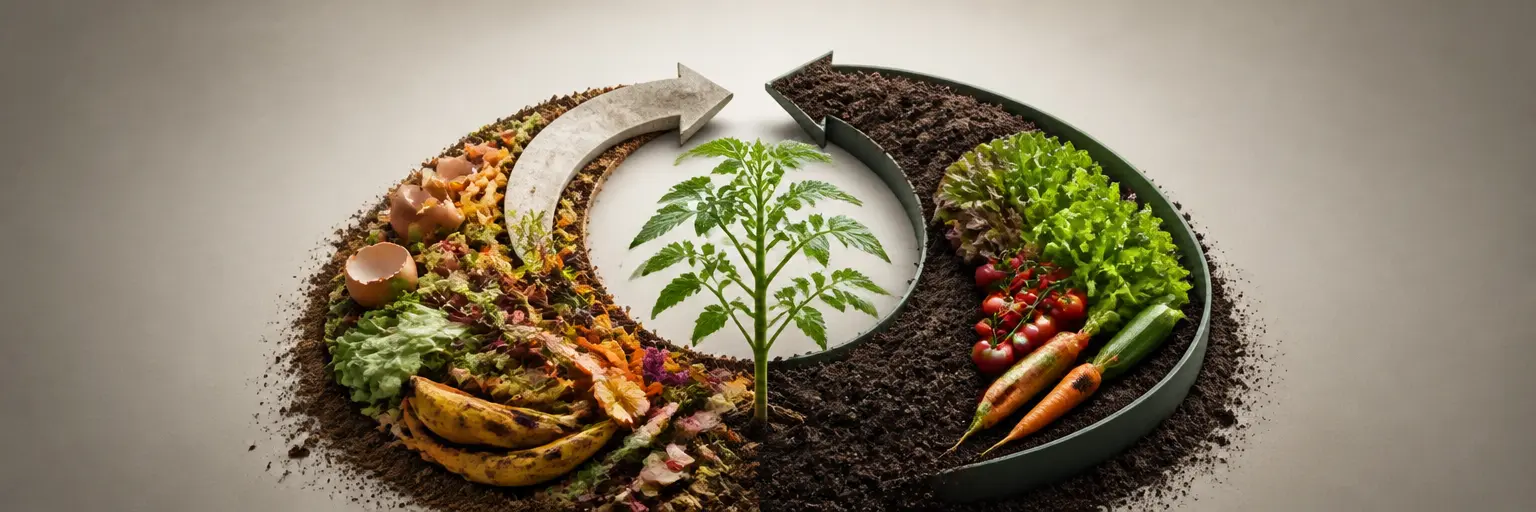
How to Use Plant Prunings to Create New Plants: Propagation and Waste Reduction
🌱 Discover smart ways to reduce waste in your garden while cultivating healthy, organic food at home. Learn how to compost kitchen scraps, reuse natural materials, conserve water, repurpose plant trimmings, and make the most of every harvest. These sustainable gardening practices help enrich your soil, support biodiversity, lower environmental impact, and create a more productive backyard garden. ♻️ Grow more with less and make every part of your garden count!
7 articles
Understanding the Waste Cycle: How to Close the Loop in Your Garden
A Gardener's Guide to Composting: Everything You Need to Know
Cardboard Magic: Using Cardboard to Suppress Weeds and Enrich Soil
Beyond the Bin: Creative Ways to Repurpose Common Garden Waste
ZeroWaste Seed Starting: Creative Containers and Soil Mixes
How to Make the Most of Your Garden: Tips for Success
♻️ Reducing Waste in the Garden: Sustainable Practices for a Productive Home Garden
Welcome to Reducing Waste in the Garden, a practical resource within CultivateYourFood for growing fruits, vegetables, and herbs while using fewer resources and creating less waste. Discover sustainable gardening ideas that help you reuse materials, conserve water, prevent food waste, improve soil health, and support a productive organic garden at home. From composting kitchen scraps to saving seeds and repurposing garden materials, these methods make eco-friendly gardening simple, affordable, and rewarding.
🌱 Composting Kitchen and Garden Waste
Composting is one of the most effective ways to reduce household waste while creating nutrient-rich organic matter for your garden. Learn how to compost fruit and vegetable scraps, coffee grounds, eggshells, grass clippings, fallen leaves, and other suitable materials. Healthy compost improves soil structure, moisture retention, and plant growth without relying exclusively on commercial fertilizers.
Explore practical composting methods for small gardens, patios, balconies, and larger backyards. You can learn about balancing green and brown materials, maintaining airflow, controlling moisture, and recognizing when compost is ready to use around vegetables, herbs, fruit plants, and flowers.
🥕 Preventing Food Waste After Harvest
Reducing garden waste continues after crops are picked. Find useful ways to store, preserve, and use homegrown produce before it spoils. Topics may include harvesting at the right stage, storing root vegetables, drying herbs, freezing fruits and vegetables, fermenting surplus crops, and preparing homemade sauces, pickles, and preserves.
These sustainable food practices help you enjoy your harvest for longer while reducing the amount of edible food sent to landfill. Using the whole harvest, including suitable stems, leaves, peels, and imperfect produce, can save money and make home gardening more efficient.
🌿 Reusing Plant Material and Garden Residues
Many garden materials can be reused instead of discarded. Learn how to return healthy plant trimmings, leaves, grass clippings, and untreated organic matter to the garden through mulch, compost, leaf mold, or natural soil coverings. Reusing these materials can reduce waste collection, protect soil, and support beneficial microorganisms.
Discover which garden residues are safe to reuse and which should be removed, especially plants affected by serious diseases or invasive pests. Responsible garden recycling helps maintain plant health while improving fertility and reducing the need for purchased soil amendments.
💧 Conserving Water in an Organic Garden
Water conservation is an important part of reducing waste in the garden. Learn how to collect rainwater, use mulch, improve soil with compost, choose drought-tolerant crops, and water plants deeply at appropriate times. These strategies help limit evaporation and deliver moisture where plant roots need it most.
Explore efficient irrigation options such as drip systems, soaker hoses, olla watering, and carefully managed hand watering. Using water wisely supports healthier plants, lowers household water consumption, and makes fruit, vegetable, and herb gardening more resilient during dry weather.
🪴 Repurposing Containers, Tools, and Garden Supplies
Repurposing household items can reduce the demand for new gardening products and lower the cost of growing food at home. Learn how to use clean containers as seed-starting pots, turn jars into herb planters, reuse cardboard for sheet mulching, and transform safe reclaimed materials into plant supports or garden labels.
Discover ways to maintain, repair, share, and reuse gardening tools rather than replacing them unnecessarily. Always avoid containers that held toxic chemicals, and choose food-safe materials whenever they will touch edible crops. Creative upcycling can make sustainable gardening both practical and enjoyable.
🌾 Saving Seeds and Sharing Surplus Crops
Seed saving helps reduce packaging waste, preserve locally adapted plants, and create a more self-sufficient garden. Learn how to collect, clean, dry, label, and store seeds from suitable vegetables, herbs, and flowers. You can also discover how to select healthy parent plants and protect seeds from humidity and pests.
Sharing extra seedlings, seeds, produce, and gardening knowledge with neighbors or community groups extends the value of every harvest. Seed swaps and produce sharing encourage biodiversity, reduce waste, and help more people grow fresh food using sustainable and organic gardening methods.
❓ Frequently Asked Questions About Reducing Waste in the Garden
What is the best way to reduce waste in a home garden?
Start by composting organic kitchen and garden waste, using mulch, saving seeds, and planning crops carefully to avoid growing more produce than you can use. Reusing containers and repairing tools can also significantly reduce garden waste.
Can all food scraps be added to a compost pile?
No. Most fruit and vegetable scraps, coffee grounds, tea leaves, and crushed eggshells are suitable, but meat, dairy, oily foods, pet waste, and diseased plant material may attract pests or create health problems. Follow the requirements of your chosen composting system.
How can I reuse leaves and grass clippings?
Leaves can be used as mulch, added to compost, or processed into leaf mold. Fresh grass clippings can be added in thin layers to compost or used as mulch after drying slightly. Avoid using materials treated recently with herbicides or pesticides.
How do I prevent excess vegetables from going to waste?
Harvest regularly, grow quantities suited to your household, and preserve surplus produce by freezing, drying, fermenting, pickling, or canning safely. Sharing extra vegetables with friends, neighbors, or community organizations is another excellent option.
Is reusing plastic safe for growing food?
Only use clean, durable containers made from food-safe materials and avoid items that previously held chemicals. Provide drainage and replace containers that become brittle or damaged. When possible, choose reusable pots, terracotta containers, or recycled materials designed for gardening.