
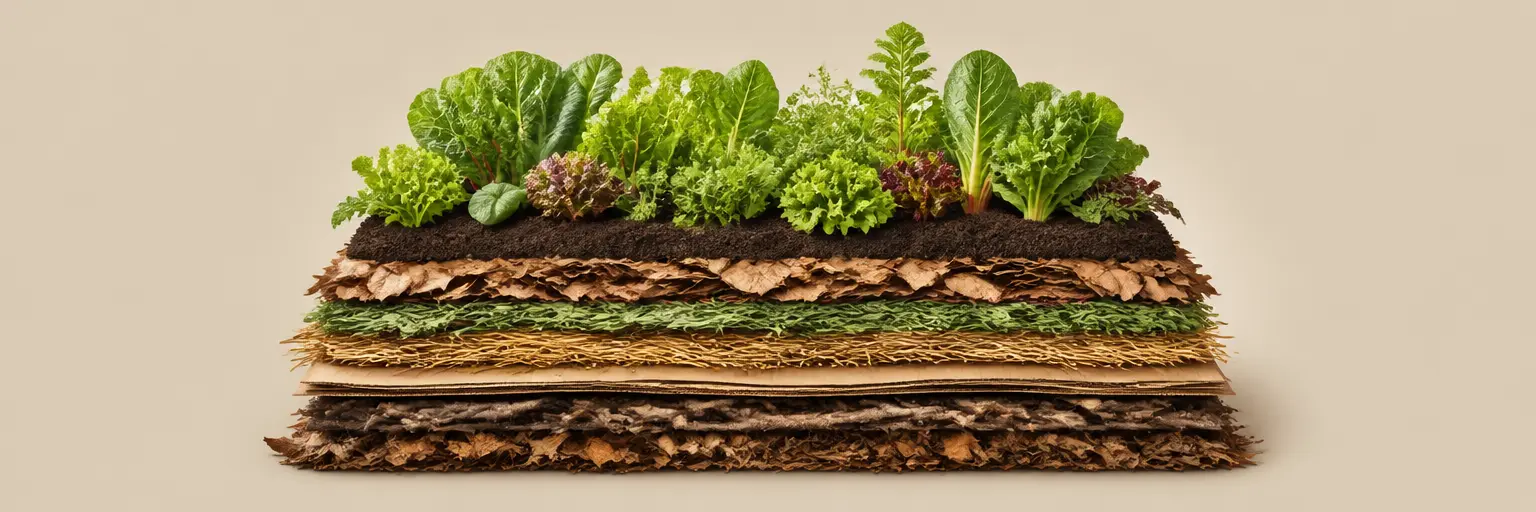
Sheet Mulching: A CostEffective Way to Create New Garden Beds
Transform your garden naturally with sheet mulching and lasagna gardening 🌱 Discover eco-friendly ways to build rich, fertile soil by layering organic materials, suppressing weeds, conserving moisture, and reducing digging. Whether you’re starting a new vegetable bed or improving an existing one, these sustainable gardening techniques support healthy plants, beneficial soil life, and productive harvests—all while turning everyday compostable materials into garden gold. 🍂 Grow smarter and cultivate delicious, organic food at home with CultivateYourFood!
5 articles
Sheet Mulching in the Fall: Prepare Your Garden for the Winter
Advantages of Lasagna Gardening: How It Can Transform Your Garden
Lasagna Gardening in the Spring: Jumpstart Your Growing Season
Lasagna Gardening: Build Rich Soil and Reduce Waste with this NoDig Method
🌱 Sheet Mulching and Lasagna Gardening for Sustainable Home Growing
Discover how sheet mulching and lasagna gardening can transform lawns, compacted soil, and garden beds into rich, productive growing spaces. This sustainable gardening method builds healthy soil by layering organic materials such as cardboard, compost, leaves, straw, grass clippings, and aged manure. At CultivateYourFood, you will learn practical, organic techniques for reducing weeds, conserving moisture, recycling garden waste, and preparing nutrient-rich beds for fruits, vegetables, herbs, and pollinator-friendly plants.
🍂 What Is Sheet Mulching?
Sheet mulching is a no-dig gardening technique that covers unwanted grass, weeds, or bare ground with layers of biodegradable material. A typical sheet mulch garden begins with overlapping cardboard or newspaper, followed by compost, shredded leaves, straw, wood chips, or other organic matter. This process blocks sunlight, suppresses weeds, and gradually decomposes to improve soil structure.
Readers can expect clear guidance on choosing safe materials, preparing the planting area, preventing gaps between cardboard sheets, and creating an effective organic mulch layer. Sheet mulching is especially useful for low-maintenance garden beds, lawn conversion, soil restoration, and sustainable landscaping without relying on synthetic herbicides or intensive digging.
🥕 Lasagna Gardening for Nutrient-Rich Soil
Lasagna gardening is a form of layered gardening that builds soil from the surface upward rather than turning or excavating the ground. Alternating layers of nitrogen-rich “green” materials, such as fresh grass clippings and kitchen compost, with carbon-rich “brown” materials, such as dry leaves, straw, and shredded paper, create a productive environment for beneficial microorganisms.
This subcategory explains how to balance organic layers, estimate bed depth, and allow materials to settle into fertile planting soil. Lasagna garden beds are ideal for growing vegetables, herbs, strawberries, flowers, and other edible plants, particularly where native soil is poor, compacted, rocky, or contaminated.
🌿 Building a Sheet Mulch Garden Step by Step
Successful sheet mulching begins with site selection and basic preparation. You will learn how to mow existing vegetation, water the ground, remove invasive weeds when necessary, and lay overlapping cardboard to create a reliable weed barrier. Adding thick organic layers on top helps retain moisture, protect soil life, and encourage decomposition.
Detailed advice can help you avoid common problems, including cardboard that dries out, mulch layers that are too thin, buried perennial weeds, and materials containing unwanted seeds or chemicals. A well-built sheet mulch bed can reduce garden maintenance while supporting long-term soil fertility and healthier plant growth.
♻️ Choosing Safe Organic Materials
The quality of your materials affects the success of a lasagna garden. Suitable options include plain brown cardboard, uncoated paper, finished compost, aged manure, autumn leaves, untreated straw, shredded branches, and grass clippings applied in thin layers. These materials can often be sourced from your home, garden, community compost program, or local tree-care service.
You will also learn which materials should be used carefully or avoided, including glossy paper, chemically treated wood, diseased plant debris, pet waste, fresh manure, and weed-filled compost. Using clean, chemical-free organic matter supports an edible garden and protects soil organisms, earthworms, pollinators, and beneficial fungi.
💧 Moisture Conservation and Weed Control
One of the main advantages of sheet mulching is its ability to conserve water. Thick organic layers reduce evaporation, soften the impact of heavy rain, and help soil hold moisture during dry periods. This makes layered garden beds valuable for drought-conscious gardening, climate-resilient landscapes, and gardeners seeking to reduce irrigation.
Sheet mulch also suppresses annual weeds by blocking light and creating a physical barrier. Readers will find strategies for maintaining mulch depth, identifying persistent weeds, and combining organic mulches with hand weeding and careful planting. Healthy mulch can reduce watering, hoeing, and repetitive garden maintenance throughout the growing season.
🪱 Soil Health, Composting, and Beneficial Organisms
As lasagna garden layers break down, they feed earthworms, bacteria, fungi, and other decomposers that naturally improve the soil. Decomposition increases organic matter, supports nutrient cycling, and improves aeration and drainage. Over time, compacted ground can become darker, looser, and more suitable for deep-rooted plants.
This section connects sheet mulching with home composting and regenerative gardening practices. Building soil with organic matter creates a living ecosystem rather than simply adding short-term fertilizer. You can learn how to recognize healthy decomposition, manage odors, and maintain balanced carbon-to-nitrogen layers.
🌻 Planting Fruits, Vegetables, and Herbs in Layered Beds
Sheet mulch and lasagna beds can support many edible crops, including tomatoes, peppers, cucumbers, squash, beans, leafy greens, carrots, strawberries, basil, thyme, mint, and other culinary herbs. Some crops can be planted into a finished compost layer immediately, while others benefit from allowing the bed to settle for several weeks or months.
You will find practical information about planting depth, spacing, root development, seasonal timing, and choosing crops suited to newly created beds. Matching the right plants to the maturity of your layered garden improves establishment and harvests while reducing competition from weeds.
🌎 Sustainable Gardening Benefits
Sheet mulching and lasagna gardening help turn household and garden waste into valuable soil-building resources. Reusing leaves, cardboard, grass clippings, and compost reduces landfill waste while minimizing the need for purchased soil amendments. These techniques also reduce digging, fuel use, erosion, and dependence on chemical weed control.
At CultivateYourFood, you can explore how layered gardening fits into a broader sustainable food-growing system that includes composting, organic pest control, water conservation, crop rotation, and pollinator support. Small-scale soil-building practices can make home gardens more productive, ecological, and resilient.
❓ Frequently Asked Questions About Sheet Mulching and Lasagna Gardening
What is the difference between sheet mulching and lasagna gardening?
Sheet mulching usually focuses on covering existing soil, grass, or weeds with a biodegradable barrier and organic mulch. Lasagna gardening uses multiple alternating layers of carbon-rich and nitrogen-rich materials to build a deep planting bed. The two methods often overlap, and both improve soil without conventional digging.
Can I start a sheet mulch garden directly over grass?
Yes. Mow the grass short, water the area, and cover it with overlapping plain cardboard or several layers of newspaper. Add compost and organic mulch on top. Make sure all seams overlap so grass cannot grow through gaps, and avoid using cardboard with plastic coatings, glossy finishes, or heavy inks.
How long does a lasagna garden take to decompose?
Decomposition time depends on moisture, temperature, material size, and layer composition. A shallow bed may settle within a few months, while a deeper bed can take a full growing season or longer. Adding finished compost to the top allows many crops to be planted before the lower layers completely break down.
Can I use fresh grass clippings in a lasagna garden?
Fresh grass clippings are nitrogen-rich and useful in thin layers, but thick piles can become slimy, compacted, or unpleasant-smelling. Apply them in layers no more than a few centimeters thick and balance them with dry leaves, straw, shredded paper, or other carbon-rich materials. Never use clippings from lawns recently treated with herbicides or pesticides.
What should I plant in a new sheet mulch bed?
New beds with a finished compost surface are suitable for many vegetables and herbs, including leafy greens, beans, cucumbers, squash, tomatoes, peppers, basil, and other annual crops. Root vegetables may perform better after the layers have settled and developed a finer texture. Always provide adequate sunlight, moisture, spacing, and drainage for the selected plants.