
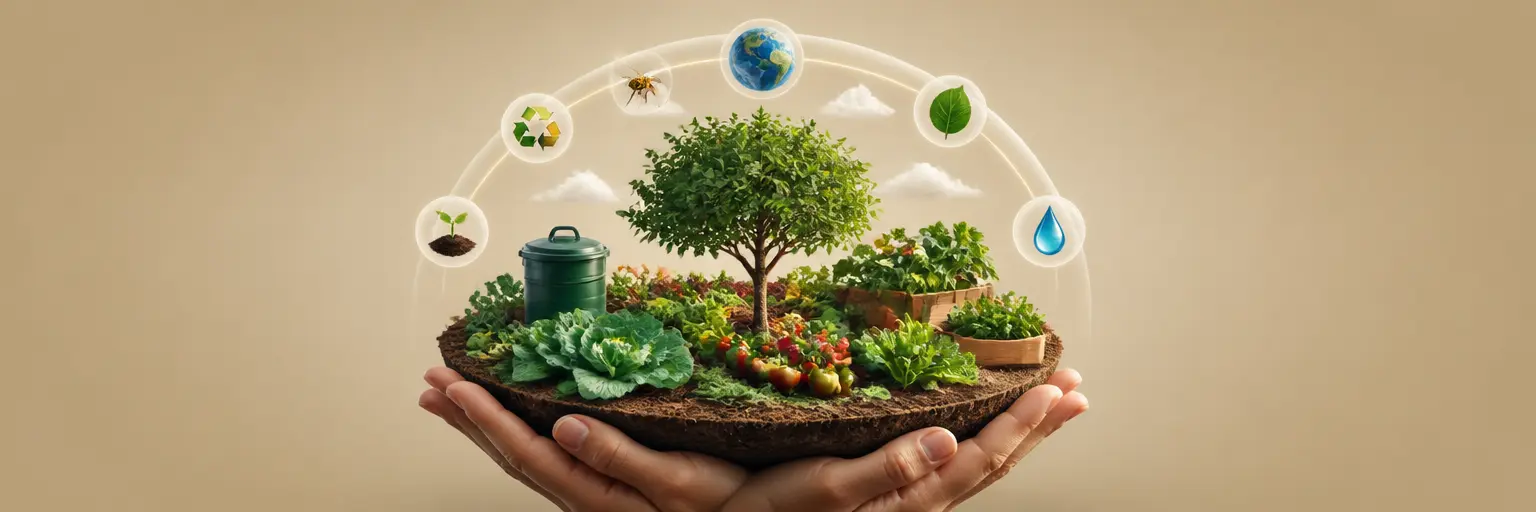
The Importance of Using Recycled Materials in Home Gardening
Discover how home gardening can make a meaningful difference for the planet 🌱 Learn how growing your own fruits, vegetables, and herbs with organic methods can reduce food miles, packaging waste, water consumption, and reliance on harmful chemicals. Explore practical ways to build healthy soil, compost kitchen scraps, support pollinators, conserve resources, and create a thriving backyard ecosystem—all while enjoying fresher, healthier produce. ♻️Grow sustainably, protect nature, and cultivate a greener future from home!
9 articles
The Secret Life of Soil: How Home Gardening Supports Microbial Activity
The Role of Native Plants in Supporting Local Ecosystems
How Home Gardens Minimize Water Runoff and Pollution
Grow Your Own Food: A Step Towards Food Security and Independence
The Therapeutic Benefits of Home Gardening for Mental Wellbeing
The Benefits of BirdFriendly Gardening
From Seed to Table: The Journey of Homegrown Produce
Why Your Backyard Garden is a Haven for Beneficial Insects
🌿 The Environmental Benefits of Home Gardening
Discover how home gardening can support a healthier planet while helping you grow fresh, nutritious food. This subcategory from CultivateYourFood explores the environmental benefits of sustainable gardening, organic food cultivation, composting, water conservation, biodiversity, and natural pest control. Whether you maintain a balcony garden, raised beds, a backyard vegetable patch, or a container herb garden, small gardening choices can reduce waste, protect soil, support pollinators, and create a more sustainable home.
🌎 Reduce Your Food Carbon Footprint
Growing fruits, vegetables, and herbs at home can reduce the distance food travels from farm to table. Homegrown produce requires less transportation, packaging, refrigeration, and commercial handling, helping lower greenhouse gas emissions and your overall food carbon footprint. Learn how seasonal gardening can make fresh food more local and environmentally friendly.
Readers can discover practical ways to plan an eco-friendly garden, select productive crops, and harvest only what they need. By combining organic gardening methods with thoughtful planting schedules, households can enjoy fresher produce while reducing reliance on heavily packaged and long-distance food supplies.
🌱 Build Healthy, Living Soil
Healthy soil is one of the foundations of sustainable home gardening. Gardening naturally creates opportunities to improve soil structure, increase organic matter, and encourage beneficial microorganisms. Topics in this section explain how compost, leaf mold, mulch, and natural soil amendments can support productive plants without excessive synthetic fertilizers.
Readers will learn why protecting soil health benefits both the garden and the wider environment. Composting kitchen scraps and garden waste returns nutrients to the soil, helps prevent erosion, improves moisture retention, and reduces the amount of organic material sent to landfill.
♻️ Composting and Reducing Household Waste
Composting is an effective way to transform fruit and vegetable scraps, coffee grounds, grass clippings, and fallen leaves into valuable garden compost. This natural recycling process reduces landfill waste while producing a nutrient-rich soil conditioner for vegetables, herbs, flowers, and fruit plants.
Explore composting methods for gardens of every size, including backyard compost bins, tumblers, worm composting, and small-space solutions. You can expect guidance on balancing green and brown materials, maintaining moisture, and creating odor-free compost for sustainable plant growth.
💧 Conserve Water in the Garden
Responsible water use is an important part of environmentally friendly gardening. Home gardeners can reduce water waste by improving soil quality, using mulch, choosing drought-tolerant plants, and watering at the right time of day. These techniques help plants access moisture more efficiently while supporting water conservation.
This section covers practical strategies such as rainwater harvesting, drip irrigation, self-watering containers, and deep watering. Readers will learn how water-wise gardening can protect local water resources, reduce evaporation, and maintain healthy crops during dry weather.
🐝 Support Pollinators and Garden Biodiversity
A diverse home garden can provide food, shelter, and nesting opportunities for bees, butterflies, birds, and other beneficial wildlife. Growing flowering herbs, native plants, companion plants, and pesticide-free crops helps create a welcoming habitat while improving pollination for fruits and vegetables.
Readers can explore ways to increase biodiversity through mixed planting, succession planting, wildlife-friendly garden features, and native flowering species. Pollinator-friendly gardening supports healthier ecosystems and can lead to more reliable harvests in an organic home garden.
🐞 Use Natural Pest Control
Sustainable pest control focuses on prevention and balance rather than eliminating every insect. Organic gardeners can manage pests through crop rotation, companion planting, physical barriers, handpicking, habitat creation, and beneficial insects. These approaches help protect crops without unnecessarily harming soil organisms, pollinators, birds, or aquatic life.
Learn how to identify common garden pests, recognize signs of plant stress, and choose low-impact solutions. By using integrated pest management and avoiding broad-spectrum chemical pesticides, gardeners can grow healthier food while preserving the natural balance of the garden ecosystem.
🌾 Grow Sustainably in Any Space
Environmental gardening is possible even without a large backyard. Container gardens, vertical gardens, windowsill herb gardens, community plots, and balcony planters can all contribute to sustainable food production. Growing in small spaces can make fresh herbs and vegetables more accessible while encouraging resource-conscious habits.
This section provides ideas for choosing reusable containers, peat-free growing media, energy-efficient tools, and long-lasting garden materials. Readers can learn how to create a low-waste home garden that makes efficient use of space, sunlight, water, and locally available resources.
❓ Frequently Asked Questions About the Environmental Benefits of Home Gardening
🌿 How does home gardening help the environment?
Home gardening can reduce food miles, plastic packaging, household waste, and reliance on synthetic chemicals. It can also improve soil health, conserve water, support pollinators, and create habitat for beneficial wildlife when sustainable gardening practices are used.
♻️ Is composting at home environmentally friendly?
Yes. Home composting diverts organic waste from landfills and turns it into a nutrient-rich amendment for garden soil. Properly managed compost can reduce waste, improve moisture retention, and support healthy plant growth without depending entirely on commercial fertilizers.
💧 What is the most sustainable way to water a garden?
Efficient methods include collecting rainwater where permitted, applying mulch, improving soil with compost, watering deeply in the early morning, and using drip irrigation or soaker hoses. Choosing plants suited to the local climate also reduces water demand.
🐝 How can a home garden support bees and butterflies?
Grow a variety of native flowers and pesticide-free plants that bloom during different seasons. Provide shallow water, avoid unnecessary chemical treatments, and include diverse habitats such as flowering borders, herbs, shrubs, and undisturbed areas for shelter.
🐞 Are organic pest control methods effective?
Organic pest control can be highly effective when used as part of an integrated approach. Healthy soil, crop rotation, companion planting, physical barriers, regular monitoring, and beneficial insects can prevent many pest problems while reducing harm to the wider ecosystem.