
Upcycled Greenhouse: Repurposing Old Windows for a Sustainable Structure
🌱 Discover how to build a DIY greenhouse or cold frame and extend your growing season naturally! Learn affordable, sustainable techniques for creating a protected space that helps seedlings thrive, shields plants from frost and harsh weather, and supports year-round home gardening. With practical guidance on materials, design, ventilation, temperature control, and organic growing methods, you can cultivate healthier fruits, vegetables, and herbs while reducing waste and maximizing your harvest. 🥕🏡
6 articles
How to Build a Greenhouse with Polycarbonate Panels: A Durable Option
The Ultimate Guide to Building a Cold Frame for Extended Growing Seasons
DIY Greenhouse Project: A Fun and Rewarding Experience
Building a Cold Frame with an Automatic Vent: Regulating Temperature
DIY Greenhouse Pest Control: Keeping Your Plants Safe Naturally
🌱 Building a DIY Greenhouse or Cold Frame for Sustainable Home Gardening
Discover practical guidance for building a DIY greenhouse or cold frame with CultivateYourFood. This subcategory helps home gardeners extend the growing season, protect plants from frost, start seeds earlier, and grow fresh fruits, vegetables, and herbs using affordable, sustainable, and organic methods. Learn how to choose the right location, select eco-friendly materials, manage temperature and humidity, and create a productive growing space for small gardens, backyards, balconies, and homesteads.
🏡 Choosing the Right Greenhouse or Cold Frame Design
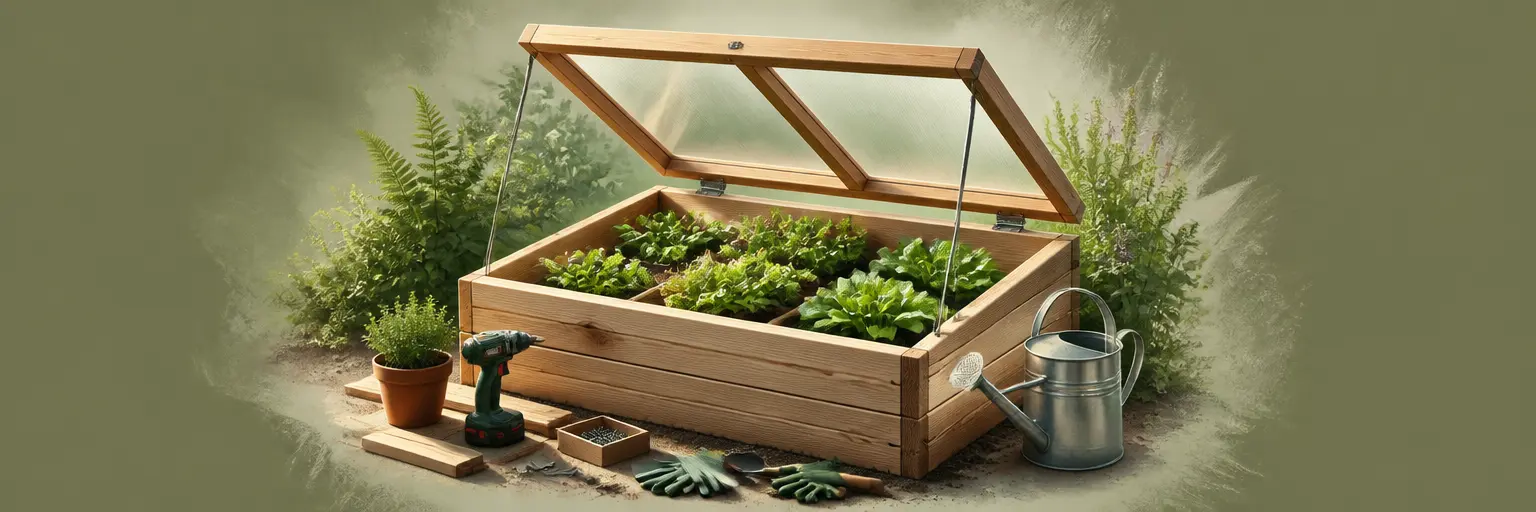
Explore the key differences between a DIY greenhouse and a cold frame so you can select the best structure for your garden goals. Greenhouses provide more height, ventilation, and growing space, while cold frames are compact, low-cost solutions for hardening off seedlings, protecting winter crops, and extending the harvest season.
Expect helpful advice about site selection, sunlight exposure, drainage, wind protection, available space, and budget. You will also find ideas for small greenhouse plans, raised-bed cold frames, portable structures, and designs made from reclaimed or sustainable materials.
🛠️ Materials, Tools, and Step-by-Step Construction
Learn how to build a durable DIY greenhouse or cold frame using accessible tools and practical construction techniques. Guidance may cover wood, recycled windows, polycarbonate panels, greenhouse plastic, PVC, metal frames, hinges, screws, insulation, and weather-resistant finishes.
Detailed project inspiration will help you plan each stage, from measuring and preparing the foundation to assembling the frame and securing the covering. Choosing long-lasting, non-toxic, and reusable materials can reduce waste while creating a reliable growing environment for organic gardening.
🌡️ Temperature, Ventilation, and Humidity Management
Successful greenhouse gardening depends on controlling heat, cold, airflow, and moisture. Discover natural methods for regulating the growing environment, including automatic or manual vents, shade cloth, thermal mass, insulation, water barrels, and adjustable covers.
You will learn how to prevent overheating, condensation, fungal diseases, and frost damage without relying heavily on electricity or chemical treatments. These sustainable greenhouse management techniques support healthy seedlings, strong vegetable growth, and consistent harvests.
🌿 Growing Seeds, Vegetables, Herbs, and Fruits
Find out how to use a greenhouse or cold frame throughout the year for seed starting, transplant protection, winter gardening, and early-season production. Suitable crops may include lettuce, spinach, kale, carrots, radishes, tomatoes, peppers, cucumbers, basil, parsley, strawberries, and other garden favorites.
Expect seasonal planting ideas, crop rotation suggestions, succession planting strategies, and tips for hardening off seedlings. Using protected growing space wisely can increase garden productivity, reduce food miles, and help you enjoy homegrown produce for more months of the year.
♻️ Sustainable and Organic Greenhouse Gardening Practices
Build a growing system that supports the wider environment through rainwater collection, compost-based soil improvement, natural pest control, and energy-efficient design. Learn how to reuse containers, upcycle building materials, conserve water, and select organic seeds for a lower-impact garden.
CultivateYourFood also connects greenhouse gardening with broader sustainable practices, including composting, beneficial insects, crop diversity, mulching, and chemical-free plant care. These methods help create healthier soil, resilient plants, and a more self-sufficient home food garden.
❓ Frequently Asked Questions About DIY Greenhouses and Cold Frames
What is the difference between a greenhouse and a cold frame?
A greenhouse is a larger enclosed structure designed for growing plants, starting seeds, and extending the growing season. A cold frame is a smaller, low-profile box with a transparent lid, mainly used to protect seedlings and hardy crops from frost and cold temperatures.
Is it cheaper to build a DIY greenhouse or cold frame?
In most cases, a cold frame is the least expensive option because it requires fewer materials and less space. A DIY greenhouse can also be affordable when built with reclaimed wood, old windows, recycled containers, or greenhouse plastic. Planning carefully and reusing materials can significantly reduce construction costs.
Where should I place a DIY greenhouse or cold frame?
Choose a location with several hours of direct sunlight, good drainage, and protection from strong winds. A south-facing or southeast-facing position is often effective in many climates. Avoid areas shaded by buildings or trees, and make sure the structure is convenient to access for watering, harvesting, and ventilation.
Can I grow plants in a cold frame during winter?
Yes. Cold frames can protect cool-season crops such as spinach, lettuce, kale, mâche, parsley, and winter herbs. The best results come from selecting cold-tolerant varieties, monitoring moisture, opening the lid for ventilation on sunny days, and adding insulation during severe cold.
How do I prevent pests and diseases in a greenhouse?
Maintain good airflow, avoid overwatering, remove diseased leaves, clean tools and containers, and inspect plants regularly. Use organic pest control methods such as insect netting, hand-picking, companion planting, sticky traps, and beneficial insects. Healthy compost-enriched soil and proper plant spacing also help reduce disease problems.