
Soil and Composting
Discover the secrets of healthy, productive gardens with soil and composting guidance from CultivateYourFood 🌱 Learn how to build fertile soil naturally, choose the right soil for every crop, reduce digging, and transform kitchen and garden waste into nutrient-rich compost. Whether you’re starting a compost pile, solving common compost problems, or exploring worm composting, these sustainable gardening practices help improve plant growth, support beneficial organisms, and create a thriving organic garden from the ground up. ♻️🥕
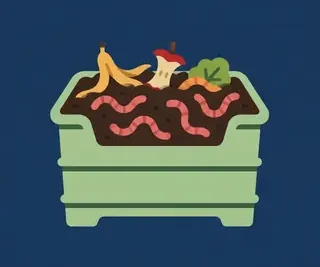 Vermicomposting (Worm Composting)
 Troubleshooting Compost Problems
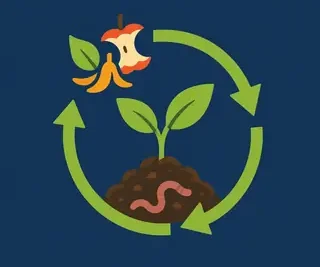 The Benefits of Composting
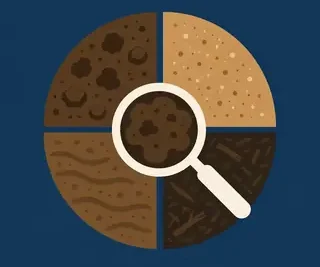 Understanding Soil Types
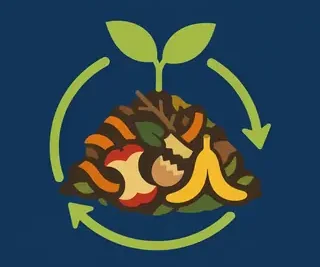 How to Start a Compost Pile
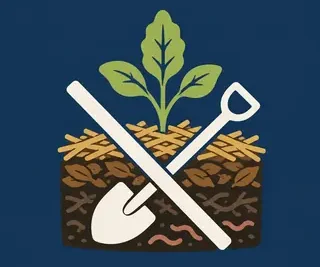 No-Dig Gardening Techniques
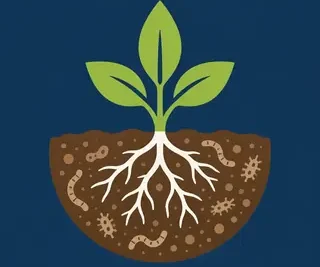 Improving Soil Health Naturally
🌱 Soil and Composting for a Healthy Organic Garden
Healthy soil is the foundation of productive, sustainable gardening. At CultivateYourFood, our Soil and Composting resources help home gardeners grow stronger fruits, vegetables, and herbs by improving soil fertility, protecting soil structure, and recycling organic materials naturally. Discover practical guidance on organic soil improvement, composting methods, no-dig gardening, soil types, worm composting, and natural garden care.
Whether you are creating a new vegetable garden, restoring tired soil, or learning how to make nutrient-rich compost at home, these guides provide clear, environmentally friendly solutions. Learn how to increase organic matter, support beneficial soil organisms, improve drainage, retain moisture, and build long-term soil health without relying on unnecessary synthetic chemicals.
🌿 Improving Soil Health Naturally
This subcategory explains how to improve garden soil naturally using compost, aged manure, leaf mold, mulch, cover crops, and other organic amendments. Readers can expect practical advice for increasing soil fertility, improving soil structure, and creating a healthier growing environment for vegetables, fruits, and herbs.
You will also learn how to encourage beneficial microorganisms, protect soil from erosion, retain moisture, and reduce compaction. Natural soil improvement methods support sustainable gardening while helping plants develop stronger roots and produce healthier harvests.
🪴 No-Dig Gardening Techniques
Explore no-dig gardening methods designed to protect soil life and minimize disturbance. This section covers how to build productive growing beds with compost, mulch, cardboard, and organic matter rather than repeatedly turning or digging the soil.
Readers can discover the benefits of no-dig vegetable gardening, including improved soil structure, fewer weeds, better moisture retention, and reduced physical effort. These techniques are suitable for raised beds, backyard gardens, allotments, and small-space growing areas.
♻️ How to Start a Compost Pile
Learn how to start a compost pile at home using everyday organic materials such as fruit and vegetable scraps, coffee grounds, grass clippings, dry leaves, and untreated garden waste. This guide explains how to choose a composting location and create the correct balance of green and brown materials.
Expect helpful information about moisture, airflow, layering, turning, and compost maintenance. With the right approach, you can transform household and garden waste into dark, crumbly compost that improves soil fertility and supports productive organic gardening.
🧱 Understanding Soil Types
Understanding your soil type is essential for choosing suitable plants and improving growing conditions. This section explores common soil types, including sandy soil, clay soil, silt soil, loam, chalky soil, and acidic or alkaline soils.
Readers will learn how to identify soil characteristics such as drainage, texture, pH, moisture retention, and nutrient availability. You will also find guidance on selecting the right soil amendments for different soil types so plants can establish healthy roots and grow successfully.
🌾 The Benefits of Composting
Composting is one of the most effective ways to recycle organic waste and improve garden soil. Discover how homemade compost adds nutrients, increases organic matter, supports beneficial microorganisms, and improves the structure of both sandy and clay-heavy soil.
This subcategory also explains the environmental benefits of composting, including reducing household waste, lowering landfill use, conserving moisture, and decreasing the need for chemical fertilizers. Using compost in the garden creates a sustainable cycle from kitchen scraps to healthy homegrown food.
🛠️ Troubleshooting Compost Problems
Compost problems are common, but most can be solved with a few simple adjustments. This section helps diagnose issues such as bad odors, slow decomposition, excess moisture, dryness, fruit flies, mold, and compost that is not heating up.
Readers can expect clear solutions for balancing green and brown materials, improving airflow, controlling moisture, and maintaining an active compost pile. Learn how to produce high-quality compost without unpleasant smells or persistent pests.
🪱 Vermicomposting (Worm Composting)
Vermicomposting uses composting worms to turn food scraps into nutrient-rich worm castings. This subcategory explains how to set up a worm bin, choose suitable worms, add food safely, and maintain the correct moisture and temperature levels.
Discover why worm castings are a powerful natural soil amendment for seedlings, container plants, raised beds, and vegetable gardens. Vermicomposting is ideal for gardeners with limited outdoor space who want an efficient, low-odor way to recycle kitchen waste.
❓ Frequently Asked Questions About Soil and Composting
🌱 How can I improve poor garden soil naturally?
Add mature compost, leaf mold, aged manure, and organic mulch to increase organic matter. Avoid working wet soil, and consider cover crops or no-dig methods to protect soil structure and encourage beneficial organisms.
♻️ What materials can be added to a compost pile?
Suitable materials include fruit and vegetable scraps, coffee grounds, tea leaves, grass clippings, weeds without mature seeds, dry leaves, shredded cardboard, and small amounts of untreated paper. Balance moist green materials with dry brown materials for effective decomposition.
💧 Why does my compost pile smell bad?
A foul smell usually indicates excess moisture, poor airflow, or too many nitrogen-rich materials. Add dry leaves, shredded cardboard, or straw, then mix the pile to improve aeration and restore a healthy carbon-to-nitrogen balance.
🪱 Which worms are best for vermicomposting?
Red wigglers, often called composting worms, are generally the best choice. They thrive in worm bins, process food scraps efficiently, and produce valuable worm castings under suitable conditions.
🧪 How do I know if compost is ready to use?
Finished compost is usually dark, crumbly, and earthy-smelling, with few recognizable original materials. It should no longer heat up significantly and can be mixed into garden soil, used as mulch, or added around established plants.