
Sandy Soil Success: Natural Methods for Water Retention and Nutrients
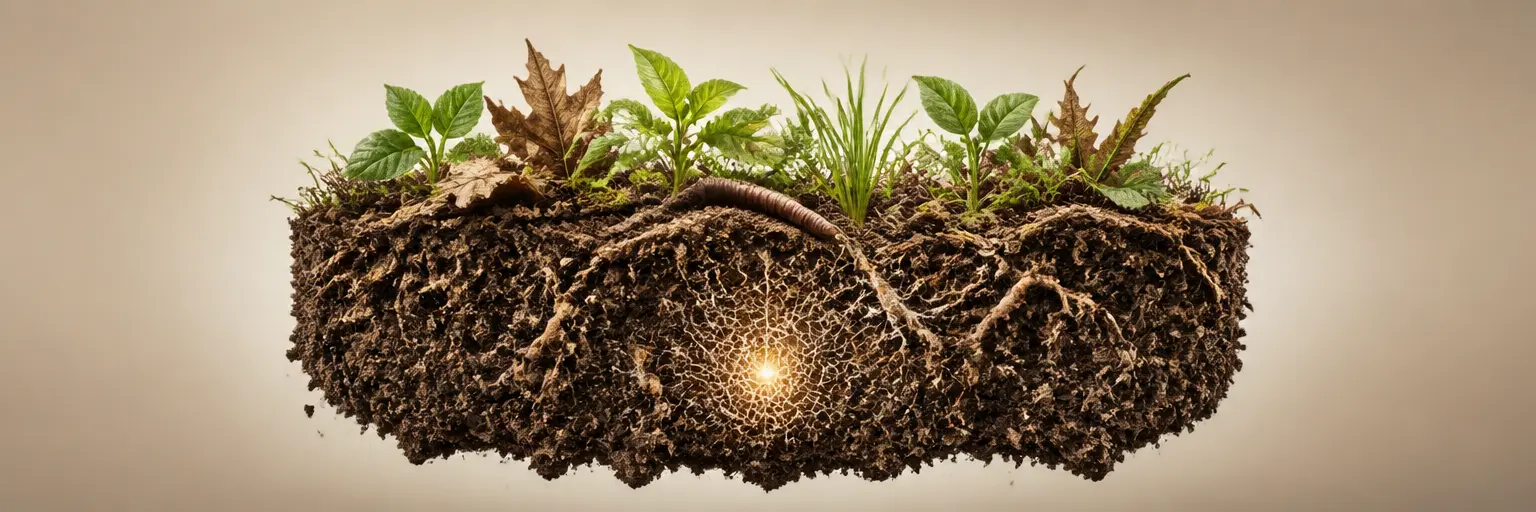
Discover natural ways to improve soil health and create a thriving foundation for your home garden 🌱. Learn how organic matter, compost, cover crops, mulch, crop rotation, and beneficial microorganisms can enrich soil fertility, improve drainage, retain moisture, and support stronger fruits, vegetables, and herbs. Explore sustainable, eco-friendly gardening practices that build healthy soil naturally—without relying on harsh chemicals.
8 articles
The Importance of Soil Microbes: Nurturing Your Garden's Ecosystem
Natural Soil Erosion Prevention Techniques for a Sustainable Garden
Boost Your Garden's Bounty: Effective Natural Soil Amendments
Unlock Your Soil's Potential: The Power of Organic Matter
Natural Ways to Improve Soil Health in Cold Climates
Attract Beneficial Soil Organisms Naturally: The Key to a Healthy Garden
Natural Ways to Increase Soil Organic Matter and Fertility
🌱 Improving Soil Health Naturally
Healthy soil is the foundation of a productive, sustainable, and organic garden. The Improving Soil Health Naturally subcategory on CultivateYourFood provides practical guidance for building fertile garden soil without relying on harsh chemicals or synthetic fertilizers. Discover natural soil amendments, composting methods, cover crops, mulching techniques, organic fertilizers, and eco-friendly gardening practices that improve soil structure, drainage, moisture retention, and nutrient availability for fruits, vegetables, and herbs.
🌿 Build Fertile Soil with Organic Gardening Practices
Learn how to create and maintain rich, living soil by working with natural biological processes. Articles in this section explain how beneficial bacteria, fungi, earthworms, and other soil organisms support healthy root growth and nutrient cycling in home gardens.
Expect practical advice about adding compost, aged manure, leaf mold, worm castings, and other organic matter. These methods can help improve poor soil, replenish nutrients, reduce compaction, and create a stronger growing environment for vegetables, herbs, flowers, and fruit plants.
🍂 Composting for Better Garden Soil
Compost is one of the most effective natural ways to improve soil health. Explore guidance on starting a home compost pile, balancing green and brown materials, managing moisture, and producing dark, crumbly compost for garden beds and containers.
You will also find helpful information about using finished compost safely and efficiently. Regular compost applications can increase soil fertility, encourage beneficial microorganisms, improve water retention, and reduce household food waste through sustainable gardening.
🪱 Support Beneficial Soil Life
Living soil contains a complex network of organisms that helps plants access nutrients and defend against certain soil-related problems. Discover how to protect earthworms, beneficial fungi, microorganisms, and other valuable soil life through low-impact gardening methods.
Readers can learn why avoiding unnecessary pesticides, limiting soil disturbance, and adding organic matter are important for long-term soil fertility. These natural approaches help create a balanced soil ecosystem that supports resilient plants and productive harvests.
🌾 Use Cover Crops and Green Manures
Cover crops are plants grown to protect and improve soil between growing seasons. Learn how legumes, grasses, and other green manure crops can reduce erosion, suppress weeds, add organic matter, and support healthier garden soil.
This section explains how to choose and manage cover crops for raised beds, vegetable gardens, and small growing spaces. Strategic cover cropping may also improve soil structure, increase nitrogen availability, and protect the ground from heavy rain, wind, and nutrient loss.
🍃 Improve Soil with Mulching
Natural mulch helps protect the soil surface while supporting healthier plants. Explore the benefits of shredded leaves, straw, grass clippings, wood chips, compost, and other organic mulch materials for vegetable and herb gardens.
Proper mulching can conserve moisture, moderate soil temperature, reduce weed growth, prevent erosion, and gradually add nutrients as the material decomposes. Learn how to apply mulch correctly while avoiding problems such as excessive moisture, pests, or plant stem rot.
🧪 Test and Understand Your Garden Soil
Improving soil naturally begins with understanding its current condition. Find practical information about soil testing, pH levels, nutrient deficiencies, texture, drainage, and organic matter so you can make informed decisions before adding amendments.
Rather than applying products at random, readers can learn how to match natural soil improvements to specific garden needs. Simple soil assessment can help prevent over-fertilization, support healthier plants, and make organic gardening more efficient and sustainable.
🥕 Improve Soil for Vegetables, Fruits, and Herbs
Different crops have different soil preferences, and healthy soil is essential for strong growth and abundant harvests. Discover ways to prepare garden beds for tomatoes, peppers, carrots, leafy greens, berries, fruit trees, culinary herbs, and other homegrown crops.
Expect crop-focused recommendations for improving fertility, drainage, moisture retention, and root development. These techniques help gardeners create productive growing conditions while following the sustainable and organic principles promoted by CultivateYourFood.
❓ Frequently Asked Questions About Natural Soil Improvement
🌱 What is the best natural way to improve garden soil?
Adding mature compost is one of the best all-purpose methods for improving garden soil naturally. Compost increases organic matter, supports beneficial microorganisms, improves soil structure, and helps both sandy and clay soils hold the right amount of moisture.
🍂 How often should I add compost to my garden?
Most home gardens benefit from adding a layer of finished compost once or twice a year, often before planting or after harvesting. Apply a thin layer to the soil surface and mix it gently into the upper layer when appropriate, taking care not to disturb plant roots or soil life unnecessarily.
🪱 Can earthworms improve soil health?
Yes. Earthworms help create channels that improve aeration, drainage, and root growth while their castings contribute valuable nutrients and organic matter. To encourage earthworms, maintain moist soil, add compost and mulch, and avoid unnecessary pesticide use.
🌾 Are cover crops useful in a small home garden?
Cover crops can be very useful in raised beds, containers, and small vegetable plots. Fast-growing options such as clover, oats, peas, or buckwheat can help protect bare soil, reduce weeds, add organic material, and improve soil fertility between main crops.
🧪 Should I test my soil before adding amendments?
Soil testing is recommended, especially if plants grow poorly or you plan to add lime, minerals, or concentrated organic fertilizers. A basic test can reveal soil pH and nutrient levels, helping you choose suitable amendments and avoid adding nutrients your garden does not need.