
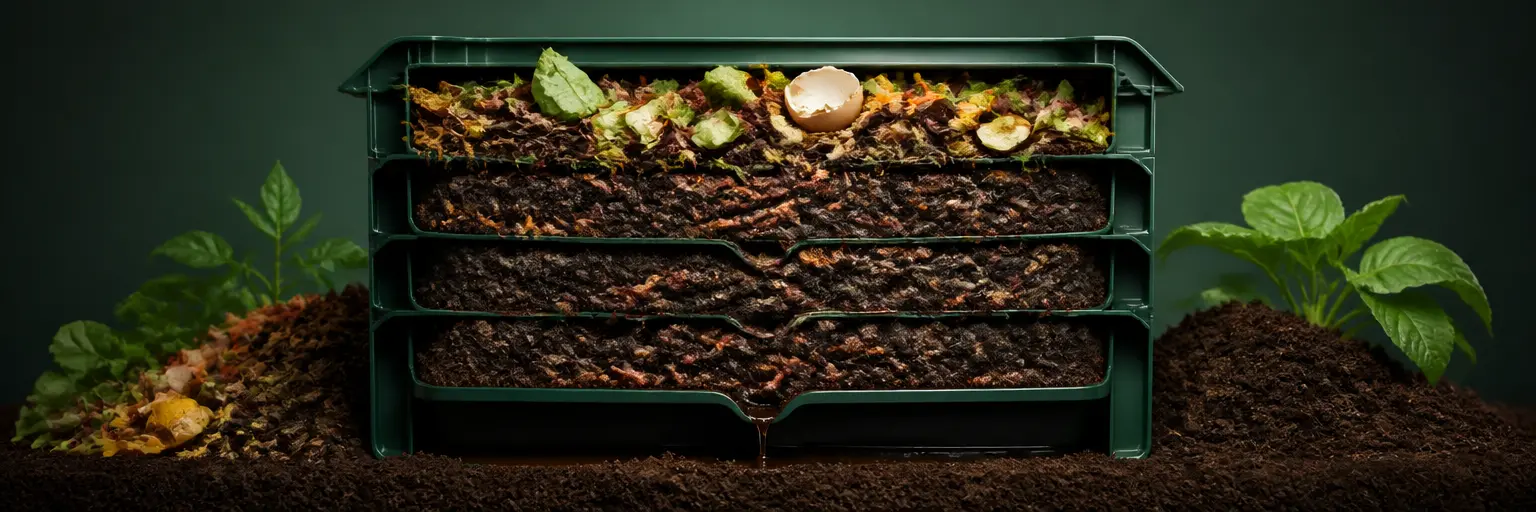
Vermicomposting in Small Spaces: Efficient Techniques for Tiny Homes
🐛 Vermicomposting transforms kitchen scraps and organic waste into rich, natural worm compost for healthier soil and thriving plants. Discover sustainable worm composting tips, learn how to create and maintain a productive worm bin, and produce nutrient-dense vermicast to support homegrown fruits, vegetables, and herbs. 🌱
6 articles
Vermicomposting vs Traditional Composting: Which is Right for You?
The Versatility of Worm Castings: Using Them in Different Ways
Harvesting Worm Castings: The Gardener's Black Gold
Vermicomposting for Fruit Trees: Enhancing Growth and Yield
How to Set Up a Simple and Effective Worm Composting Bin
🪱 Vermicomposting (Worm Composting) for Healthy, Organic Soil
Discover how vermicomposting, also known as worm composting, can transform kitchen scraps and organic waste into nutrient-rich worm castings for thriving home gardens. This subcategory from CultivateYourFood provides practical, sustainable guidance for choosing composting worms, setting up a worm bin, managing moisture and temperature, and harvesting high-quality vermicompost. Whether you grow vegetables, fruits, herbs, seedlings, or houseplants, learn how worm composting can improve soil structure, support beneficial microorganisms, and reduce household food waste naturally.
🌱 Vermicomposting Basics for Beginners
Start with clear, beginner-friendly information about how vermicomposting works and why earthworms are valuable in sustainable gardening. Learn how composting worms, especially red wigglers, break down food scraps into nutrient-dense worm castings that can be used as a natural soil amendment and organic fertilizer.
Readers can expect practical explanations of worm bin types, bedding materials, feeding routines, and basic maintenance. Discover how to create a healthy worm composting environment in a kitchen, apartment, balcony, garage, greenhouse, or outdoor garden while avoiding common beginner mistakes.
🪣 Choosing and Setting Up a Worm Bin
Find guidance on selecting the best vermicomposting bin for your available space, budget, and gardening goals. Explore plastic worm bins, wooden worm farms, stacking trays, DIY containers, and small indoor systems designed for convenient household composting.
Learn how to prepare bedding using materials such as shredded cardboard, unbleached paper, coconut coir, aged compost, and autumn leaves. A well-prepared bin should provide good airflow, drainage, darkness, and moisture control so worms can remain active and healthy.
🥕 Feeding Composting Worms the Right Way
Learn which kitchen scraps are suitable for a worm bin, including vegetable peels, fruit scraps, coffee grounds, tea leaves, crushed eggshells, and small amounts of cooked plant material. Proper feeding helps worms process organic waste efficiently and produces consistent, high-quality vermicompost.
Discover how much and how often to feed composting worms based on the size of your colony and bin. You will also learn why certain foods, including meat, dairy, oily foods, salty ingredients, pet waste, and heavily seasoned leftovers, should generally be avoided to prevent odors, pests, and unhealthy bin conditions.
🌡️ Managing Moisture, Temperature, and Airflow
Successful worm composting depends on maintaining the right balance of moisture, temperature, and oxygen. Explore simple ways to check whether bedding is as damp as a wrung-out sponge, improve ventilation, and prevent waterlogged or overly dry conditions.
Readers can also learn how seasonal temperature changes affect red wigglers and other composting worms. Use practical methods to protect a worm bin from extreme heat, freezing temperatures, direct sunlight, and poor drainage, helping maintain an active composting ecosystem throughout the year.
🌿 Harvesting and Using Worm Castings
Discover several methods for harvesting finished vermicompost, including migration methods, light separation, tray rotation, and manual sorting. Proper harvesting allows you to collect mature worm castings while returning worms and unfinished materials to the active bin.
Learn how to use worm castings in vegetable gardens, herb containers, fruit plants, seed-starting mixes, raised beds, and indoor plants. Apply this natural soil conditioner as a top dressing, blend it into potting soil, or make a gentle vermicompost tea for garden use.
🌍 Sustainable Gardening and Food Waste Reduction
Vermicomposting is an effective way to reduce the amount of organic waste sent to landfills. By recycling food scraps at home, you can create a valuable soil amendment while supporting a more circular, low-waste gardening system.
At CultivateYourFood, explore how worm composting fits into broader organic gardening practices such as crop rotation, mulching, companion planting, natural pest control, and soil-building. These methods help gardeners grow healthier fruits, vegetables, and herbs with fewer synthetic inputs.
❓ Frequently Asked Questions About Vermicomposting
What is vermicomposting?
Vermicomposting is the process of using composting worms to break down organic waste into worm castings. The finished material is rich in organic matter and beneficial microorganisms, making it useful for improving soil fertility, structure, moisture retention, and plant growth.
Which worms are best for a worm composting bin?
Red wigglers, scientifically known as Eisenia fetida or Eisenia andrei, are the most commonly recommended composting worms. They reproduce efficiently, tolerate changing conditions, and thrive in the shallow, organic-rich environment of a worm bin.
What can I put in a vermicomposting bin?
Suitable materials include fruit and vegetable scraps, coffee grounds, tea leaves, crushed eggshells, shredded cardboard, unbleached paper, and small amounts of aged plant matter. Chop larger pieces into smaller pieces to help worms and microorganisms break them down faster.
Why does my worm bin smell bad?
A strong odor usually indicates excess moisture, poor airflow, overfeeding, or unsuitable food. Add dry bedding, gently mix the upper layers, improve ventilation, and temporarily reduce feeding. Avoid meat, dairy, oily foods, and large quantities of acidic scraps.
How do I use worm castings in my garden?
Mix worm castings into potting soil, add them to planting holes, spread a thin layer around established plants, or use them as a top dressing for containers and garden beds. Because worm castings are gentle, they can support seedlings, herbs, vegetables, and fruit plants when used in reasonable amounts.