
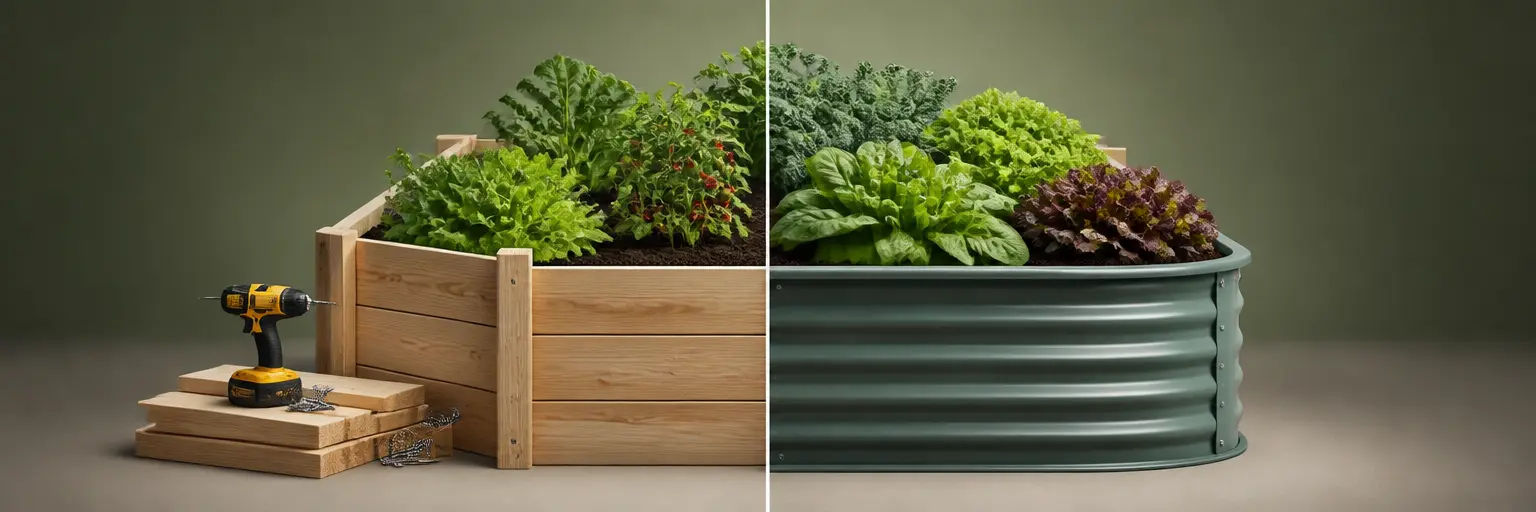
Elevated Raised Garden Beds: Options for Gardeners with Limited Mobility
Discover how to build or buy the perfect raised garden bed for thriving, sustainable home gardens 🌱. From choosing durable, eco-friendly materials and ideal dimensions to selecting soil, improving drainage, and planning crops, this guide helps beginners and experienced gardeners create productive growing spaces. Explore practical tips for organic vegetable gardening, efficient planting, accessibility, and long-lasting garden structures—so you can cultivate fresh fruits, vegetables, and herbs with confidence.
7 articles
Raised Garden Beds: How to Avoid Common Mistakes and Improve Your Harvest
The Best Plants for Raised Garden Beds: Choosing the Right Varieties
BudgetFriendly Raised Garden Beds: CostEffective Options for Every Gardener
Raised Garden Beds for Flowers: Adding Beauty to Your Garden
Raised Garden Beds: Comparing Different Types of Kits and PreMade Options
The Best Wood Options for Raised Garden Beds: Durability and Sustainability
🌱 Building or Buying Raised Garden Beds: A Comprehensive Guide
Discover everything you need to know about building or buying raised garden beds for a productive, sustainable home garden. This guide from CultivateYourFood compares DIY raised beds with ready-made garden beds, helping you choose the best materials, dimensions, soil mix, location, and design for growing vegetables, fruits, and herbs organically. Whether you have a backyard, patio, balcony, or small urban garden, raised beds can improve drainage, soil quality, accessibility, and growing results.
🛠️ DIY Raised Garden Beds: Materials, Tools, and Construction
Learn how to build a raised garden bed using practical, durable materials such as untreated cedar, pine, recycled lumber, galvanized metal, stone, or food-safe composite boards. We explain how to select safe materials for organic gardening, calculate the ideal bed size, prepare the ground, assemble the frame, and create a stable, long-lasting structure. Choosing non-toxic materials is especially important when growing edible vegetables, herbs, and fruits.
DIY raised garden beds can be customized for your available space, budget, and gardening goals. Expect guidance on cutting boards, joining corners, adding supports, lining beds when appropriate, and protecting the structure from moisture and pests. You will also find helpful planning advice for narrow beds, square-foot gardening layouts, trellises, pathways, and accessible garden designs.
🛒 Buying Ready-Made Raised Garden Beds
Explore the advantages of purchasing a pre-built or modular raised garden bed. Ready-made garden beds are available in wood, metal, plastic, fabric, and composite designs, with options for small patios, balconies, rooftops, and large backyards. We cover the key features to compare, including construction quality, bed depth, drainage, weather resistance, assembly requirements, and available growing space.
When buying a raised garden bed, consider how well the product suits your climate, crops, and long-term gardening plans. A quality raised bed should be sturdy, safe for food production, easy to assemble, and designed for proper drainage. This section helps you evaluate raised garden bed kits, elevated planters, compact vegetable beds, and modular systems before making an informed purchase.
📏 Choosing the Right Raised Bed Size and Height
The correct raised bed dimensions make gardening easier and help plants develop healthy roots. Learn why a width of approximately 3 to 4 feet is often convenient for reaching plants from both sides, while longer beds can be divided into manageable growing sections. We also explain how bed height affects soil volume, root depth, accessibility, and protection from compacted ground.
Raised beds can be designed for shallow-rooted herbs, leafy greens, and radishes or made deeper for tomatoes, carrots, potatoes, squash, and perennial plants. Accessible and elevated garden beds may be especially useful for older gardeners or anyone with limited mobility. Discover how to match bed dimensions to your space, sunlight exposure, irrigation system, and crop rotation plan.
🌿 Best Soil Mix and Compost for Raised Garden Beds
Healthy soil is the foundation of a productive raised bed garden. Find out how to create a balanced raised bed soil mix using quality topsoil, mature compost, aged organic matter, and aerating materials such as coco coir, leaf mold, or perlite. We explain why avoiding contaminated soil, fresh manure, and poorly decomposed materials is essential for growing safe, nutritious food.
Learn how to fill a raised garden bed efficiently, maintain fertility, and improve soil structure over time with composting and organic amendments. Regular compost applications can support beneficial microorganisms, improve moisture retention, and provide gradual nutrients. This guide also covers soil testing, pH considerations, mulch, natural fertilizers, and methods for preventing nutrient depletion.
☀️ Location, Drainage, and Sunlight Requirements
Choosing the right location is one of the most important raised bed gardening decisions. Most vegetables require at least six to eight hours of direct sunlight, while some herbs and leafy greens tolerate partial shade. Learn how to assess sunlight patterns, wind exposure, nearby trees, water access, and the condition of the ground before installing your garden bed.
Proper drainage prevents waterlogged roots, fungal problems, and nutrient loss. We explain how to place raised beds on soil, grass, gravel, concrete, or other surfaces while maintaining adequate drainage. You will also learn when to use landscape fabric, hardware cloth, or a protective base, and how to position beds for convenient watering, harvesting, and maintenance.
🥕 Growing Vegetables, Herbs, and Fruits in Raised Beds
Raised garden beds are ideal for growing many home food crops, including tomatoes, peppers, lettuce, spinach, carrots, onions, beans, cucumbers, strawberries, basil, parsley, thyme, and other herbs. Discover how to organize crops according to root depth, plant size, sunlight needs, and companion planting principles. Efficient spacing helps reduce competition while maximizing harvests in limited areas.
Expect practical advice on succession planting, crop rotation, vertical growing, trellising, and seasonal planting schedules. Raised beds warm earlier in spring and can be managed more precisely than traditional garden plots, making them useful for extending the growing season. Organic techniques for irrigation, mulching, pest control, and disease prevention are also included.
🐞 Organic Pest Control and Raised Bed Maintenance
A raised bed does not eliminate garden pests, but it can make monitoring and prevention easier. Learn how to identify common problems such as aphids, slugs, caterpillars, beetles, cutworms, and plant diseases. We focus on sustainable solutions, including crop rotation, insect netting, companion plants, hand picking, beneficial insects, healthy soil, and organic pest control products used responsibly.
Regular maintenance keeps raised beds productive for many growing seasons. This includes checking boards and fasteners, removing diseased plant material, replenishing compost, managing weeds, refreshing mulch, and inspecting drainage. Consistent observation is one of the most effective natural gardening tools because it allows you to address problems before they spread.
💧 Watering, Mulching, and Seasonal Care
Raised beds often drain more quickly than in-ground gardens, making consistent watering important during warm or dry weather. Discover the benefits of drip irrigation, soaker hoses, rainwater collection, and deep watering techniques. Watering at the soil level can reduce evaporation and help keep foliage dry, which may lower the risk of certain fungal diseases.
Mulching with straw, shredded leaves, untreated grass clippings, or finished compost helps conserve moisture, suppress weeds, regulate soil temperature, and protect soil life. We also explain how to prepare beds for spring, summer, autumn, and winter, including frost protection, cover crops, cleanup, and overwintering perennial herbs.
💰 Cost, Durability, and Long-Term Value
Compare the costs of building a raised garden bed from raw materials with purchasing a complete raised bed kit. DIY construction may offer greater flexibility and lower costs, while ready-made beds can save time and provide predictable dimensions. We discuss how material choice, bed size, soil volume, irrigation, tools, and maintenance affect the total investment.
Long-term value depends on durability, food safety, repairability, and how effectively the bed supports reliable harvests. Investing in strong construction and quality soil can reduce replacement costs and improve garden productivity. This section helps you choose a solution that fits your budget without sacrificing sustainability or growing performance.
❓ Frequently Asked Questions About Raised Garden Beds
What is better: building or buying a raised garden bed?
The best option depends on your budget, time, tools, space, and design preferences. Building a raised bed allows complete customization and may cost less, while buying a raised bed kit is faster and often easier to assemble. Choose a DIY bed for flexibility, or a ready-made bed for convenience and predictable construction.
What is the best material for a raised garden bed?
Untreated cedar is a popular choice because it is naturally durable and suitable for outdoor use. Other options include galvanized metal, stone, food-safe composite materials, and untreated hardwood. Avoid wood treated with chemicals that are not intended for food-growing environments, and always verify product safety before planting edible crops.
How deep should a raised garden bed be?
A raised bed should generally be at least 6 to 12 inches deep for many leafy greens and herbs. Beds measuring 12 to 18 inches or more are better for tomatoes, root vegetables, and crops with deeper root systems. Deeper beds can also improve accessibility and provide more control over soil quality and drainage.
What soil should I use in a raised garden bed?
Use a well-draining mixture of quality topsoil, mature compost, and organic matter. A common approach is to combine approximately equal portions of topsoil, compost, and an aerating amendment, adjusting the blend according to local conditions and crop needs. Avoid using garden soil alone because it may compact and restrict drainage.
Do raised garden beds require a bottom?
Most raised beds placed directly on healthy soil do not need a bottom because plant roots can grow into the ground and excess water can drain naturally. A base may be useful for elevated planters, patios, balconies, or areas with pests such as burrowing rodents. If using a bottom, include drainage holes and choose a material appropriate for food gardening.