
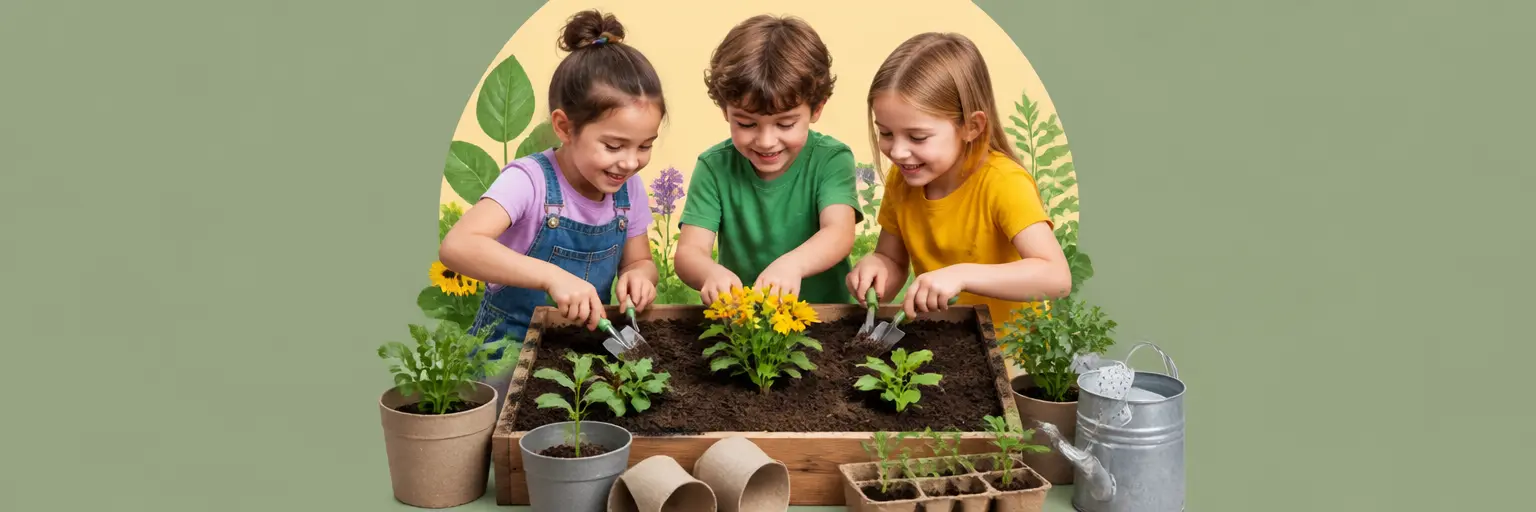
Veggie Faces: Planting and Decorating Seedlings with Kids
Discover fun gardening projects for kids that turn outdoor play into hands-on learning! 🌱 From planting colorful vegetables and growing herbs to creating pollinator-friendly spaces and simple composting activities, children can explore nature while building confidence and sustainable gardening skills. These engaging, organic projects make it easy for families to cultivate food at home, encourage healthy eating, and enjoy meaningful time together in the garden. 🥕🐝
5 articles
Nature Scavenger Hunt: A Fun Way to Explore the Garden with Kids
Bottle Greenhouse: A Fun Way to Start Seeds Indoors with Kids
Miniature Gardens: Building a Fairy Garden in a Pot with Your Children
Worm Composting: A Fun and Educational Project for Kids
🌱 Fun Gardening Projects for Kids
Welcome to Fun Gardening Projects for Kids at CultivateYourFood, where children can discover the joy of growing fruits, vegetables, herbs, and flowers through creative, hands-on activities. This family-friendly gardening resource is designed to make outdoor learning exciting while introducing kids to organic gardening, sustainable growing, composting, seed planting, watering, harvesting, and natural pest control. Whether you have a backyard, balcony, raised bed, or sunny windowsill, these easy gardening projects help children build confidence and connect with nature.
🌼 Easy Garden Activities for Young Children
Explore simple gardening activities that are suitable for toddlers, preschoolers, and elementary-age children. Kids can plant large seeds, decorate plant markers, water seedlings, collect leaves, and observe how plants change from day to day. These beginner-friendly projects require minimal equipment and encourage children to participate safely in everyday garden care.
Each activity is designed to support hands-on learning, sensory development, responsibility, and outdoor play. Parents and teachers can adapt the projects to suit different ages, attention spans, and growing spaces while helping children understand where food comes from.
🥕 Grow Your Own Fruits, Vegetables, and Herbs
Help children grow fast-growing and easy-care plants such as radishes, lettuce, peas, beans, strawberries, basil, mint, and chives. These kid-friendly crops provide visible results and make gardening more rewarding, especially when children can taste the food they have planted and cared for themselves.
Readers will find guidance on choosing seeds, preparing organic soil, planting at the correct depth, watering correctly, and recognizing healthy growth. Growing edible plants teaches valuable lessons about nutrition, seasonal gardening, food production, and sustainable living.
🪴 Creative Container Gardening Projects
Container gardening is an excellent option for children who live in apartments or homes without large yards. Recycled buckets, pots, wooden boxes, and other safe containers can become productive mini gardens for herbs, salad greens, flowers, and compact vegetables.
These projects show families how to select containers with drainage, use organic potting soil, position plants for adequate sunlight, and maintain moisture. Children can also personalize their containers with paint, labels, and nature-inspired decorations, turning gardening into a creative craft activity.
🦋 Pollinator and Wildlife-Friendly Garden Ideas
Teach children how gardens support bees, butterflies, ladybugs, birds, and other beneficial wildlife. Simple projects may include planting nectar-rich flowers, creating a shallow water station, building a bug hotel, or observing pollinators with a notebook and pencil.
These activities introduce kids to biodiversity, habitats, beneficial insects, and ecological gardening. Families can learn why avoiding harmful pesticides and choosing native or pollinator-friendly plants helps create a healthier, more sustainable garden ecosystem.
♻️ Composting and Sustainable Gardening for Kids
Make sustainability easy to understand with child-friendly composting projects. Kids can learn how fruit and vegetable scraps, dry leaves, grass clippings, and other organic materials break down into nutrient-rich compost for the garden.
Step-by-step ideas help children sort suitable compost materials, observe decomposition, and use finished compost around plants. These lessons demonstrate food waste reduction, soil health, natural fertilization, and environmentally responsible gardening without relying on synthetic chemicals.
🔍 Garden Science Experiments and Nature Discovery
Turn the garden into an outdoor classroom with experiments that demonstrate how plants grow. Children can sprout beans in a clear jar, compare sunlight and shade, measure plant height, investigate soil texture, or observe roots and leaves with a magnifying glass.
Garden science projects encourage curiosity and introduce basic concepts such as germination, photosynthesis, water absorption, pollination, and plant life cycles. Recording observations in a garden journal helps children develop research, measurement, problem-solving, and observation skills.
🐞 Natural Pest Control Lessons for Children
Children can learn to identify common garden pests and beneficial insects without using harsh chemicals. Fun activities include searching for aphids, spotting ladybugs, examining leaf damage, and creating gentle barriers or companion planting arrangements.
These lessons explain how organic pest control protects plants while preserving pollinators, earthworms, soil organisms, and garden wildlife. Adult supervision is recommended whenever children handle tools, garden treatments, or unfamiliar insects.
🍓 Harvesting, Cooking, and Tasting Garden Food
Harvest time gives children a meaningful reward for their work. Kids can pick ripe tomatoes, snap peas, leafy greens, berries, or fresh herbs while learning how to handle plants gently and recognize signs of maturity.
Families can continue the project in the kitchen by washing produce, preparing simple salads, mixing herb butter, making fruit snacks, or saving seeds. These activities connect home gardening, healthy eating, cooking skills, and appreciation for fresh organic food.
❓ Frequently Asked Questions About Gardening Projects for Kids
🌱 What are the best gardening projects for young children?
Begin with simple activities such as planting large seeds, watering seedlings, decorating plant labels, growing beans in a clear jar, or harvesting herbs. Choose projects with quick, visible results to maintain children’s interest and confidence.
☀️ Do children need a backyard to start gardening?
No. Kids can garden successfully in containers on a balcony, patio, windowsill, or small porch. Herbs, lettuce, radishes, microgreens, and compact strawberries are excellent choices for small-space and indoor gardening projects.
♻️ How can children learn about composting?
Show children how fruit and vegetable scraps, coffee grounds, dry leaves, and grass clippings can become compost. Explain that compost improves soil naturally, but supervise the process and avoid meat, dairy, oily foods, and pet waste in a home compost system.
🐝 Are gardening projects safe for children?
Most gardening activities are safe when children use age-appropriate tools, wash their hands, avoid touching unknown plants or insects, and work with adult guidance. Choose organic methods and keep children away from sharp tools, poisonous plants, and untreated garden products.
🥕 Which vegetables grow fastest for kids?
Radishes, salad greens, peas, beans, microgreens, and some herbs grow quickly and are easy for children to manage. Growing times vary by climate and variety, but fast-growing crops provide early encouragement while slower plants continue developing.