
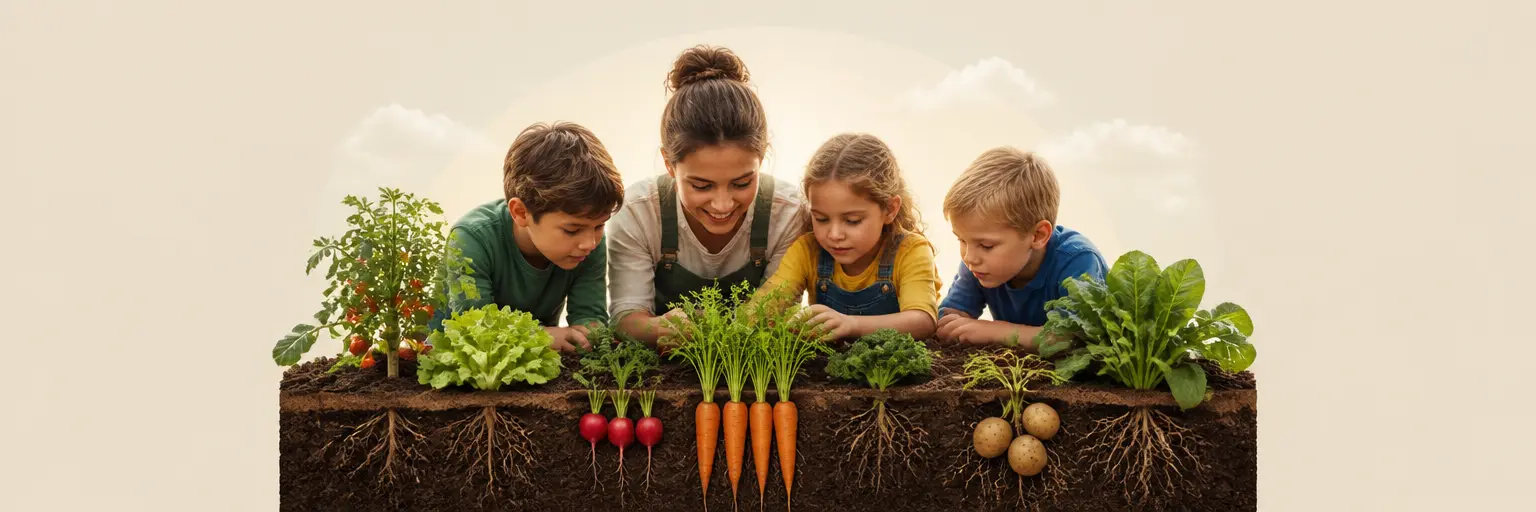
From Garden to Plate: Discovering the Magic of Homegrown Food
Discover fun, hands-on ways to teach kids where food comes from! 🌱 From planting seeds and caring for organic vegetables to exploring composting, pollinators, harvesting, and healthy cooking, these engaging gardening activities help children connect with nature and understand sustainable food growing.Inspire curiosity, build practical skills, and cultivate a lifelong love of fresh, homegrown food.
5 articles
From Sprout to StirFry: Cooking with Kids Using Homegrown Produce
The Great Garden Detectives: Exploring Plant Life Cycles Together
Bug Buddies & Garden Pests: A KidFriendly Guide to Garden Critters
The Future of Food: Inspiring Kids to Become Sustainable Gardeners
🌱 Teaching Kids About Where Food Comes From
Welcome to CultivateYourFood, where families discover how rewarding it is to grow fresh food at home. This subcategory helps parents, teachers, and caregivers explain where food comes from through practical gardening activities, outdoor learning, and hands-on experiences. Children can explore the journey from seed to harvest, learn how fruits, vegetables, and herbs grow, and understand the role of soil, sunlight, water, pollinators, composting, and responsible pest control. These family-friendly ideas make gardening with children educational, enjoyable, and connected to sustainable living.
🌿 From Seed to Plate: Understanding the Food Journey
Children learn best when they can see and participate in every stage of growing food. Our resources explain how a tiny seed develops roots, stems, leaves, flowers, and edible produce before reaching the kitchen table. Simple activities such as planting beans, sprouting seeds, labeling garden rows, and recording growth help children understand the complete seed-to-plate journey.
Families can also compare homegrown produce with food purchased from shops or markets. These lessons encourage children to appreciate the time, care, and natural resources involved in producing food while building curiosity about organic gardening for kids, seasonal eating, and fresh ingredients.
🥕 Fun Garden Activities for Curious Children
Discover engaging garden activities designed to make food education exciting. Children can dig in the soil, plant vegetable seeds, water seedlings, identify edible leaves, harvest herbs, and measure plant growth. These tasks support hands-on learning while helping children develop responsibility, patience, observation skills, and confidence.
Our ideas are suitable for backyards, balconies, raised beds, school gardens, and small containers. Whether your child is growing carrots, lettuce, tomatoes, strawberries, beans, or herbs, each activity provides a practical way to teach children about gardening and healthy food choices.
🌎 Sustainable and Organic Gardening Lessons
Teaching children where food comes from is also an opportunity to introduce sustainable gardening. Kids can learn why gardeners avoid unnecessary chemicals, protect beneficial insects, conserve water, and reuse natural materials. Age-appropriate projects may include creating a rainwater collection routine, using mulch, planting native flowers, and choosing organic growing methods.
Children can discover how healthy soil supports healthy plants and how responsible gardening helps protect the environment. By learning about organic gardening, biodiversity, and sustainable food production, young gardeners develop habits that benefit their families and the planet.
🪱 Composting, Soil, and the Hidden Life of the Garden
Composting is a memorable way to show children how food scraps and garden waste can become valuable soil nourishment. Kids can sort suitable compost materials, observe decomposition, and learn how worms, fungi, and microorganisms recycle nutrients. These lessons make the natural cycle of food and soil easier to understand.
With simple demonstrations, children can explore the difference between healthy soil and compacted soil, learn why plants need nutrients, and see how compost supports strong growth. This encourages zero-waste gardening for families and helps children understand that food production depends on living ecosystems beneath their feet.
🐝 Pollinators, Plants, and Natural Pest Control
Many fruits and vegetables depend on pollinators such as bees, butterflies, and other helpful insects. Children can observe flowers, identify garden visitors, and learn how pollination helps plants produce food. Planting nectar-rich flowers creates a welcoming habitat and provides a practical lesson in pollinator-friendly gardening.
Kids can also discover how gardens manage pests without harming the environment. Encourage natural solutions such as hand-picking pests, using protective covers, growing companion plants, and attracting beneficial insects. These activities explain natural pest control for vegetable gardens in a safe and engaging way.
🍎 Harvesting, Cooking, and Appreciating Fresh Food
Harvest time helps children connect gardening with nutrition and everyday meals. Show them how to recognize ripe produce, pick herbs correctly, wash vegetables, and handle garden tools safely. Letting children harvest their own food can make unfamiliar ingredients more appealing and encourage them to try fresh fruits and vegetables.
Extend the experience with simple recipes, tasting activities, or a family harvest journal. Preparing food together reinforces the value of homegrown produce, reduces food waste, and helps children understand how gardening contributes to healthy eating and family well-being.
❓ Frequently Asked Questions About Teaching Kids Where Food Comes From
What is the best age to teach children where food comes from?
Children can begin learning at any age through simple, age-appropriate activities. Toddlers may enjoy watering plants and touching soil, while older children can plant seeds, track growth, learn about composting, and help prepare harvested food. The best approach is to make learning practical, safe, and enjoyable.
Which plants are easiest for children to grow?
Fast-growing and easy-to-handle plants are ideal for beginners. Consider beans, peas, radishes, lettuce, sunflowers, strawberries, cherry tomatoes, basil, mint, and chives. These plants provide visible progress and can help children stay interested in the seed-to-harvest process.
How can I teach kids about organic gardening?
Explain that organic gardening focuses on caring for soil, plants, people, and wildlife without relying on unnecessary synthetic chemicals. Children can help make compost, add mulch, save seeds, water efficiently, and attract pollinators. These activities provide a practical introduction to healthy and sustainable food growing.
How do I explain food miles and supermarket produce to children?
Use simple comparisons to show that some food is grown nearby while other food travels long distances before reaching a store. Discuss seasonal produce, local farmers’ markets, and homegrown vegetables. A garden helps children understand that food requires land, water, energy, care, and time before it reaches the plate.
What safety rules should children follow in the garden?
Teach children to wash their hands after gardening, avoid tasting unknown plants, use child-sized tools appropriately, wear sturdy shoes, and ask an adult before handling compost, fertilizers, or pest-control products. Supervision is especially important around sharp tools, insects, standing water, and potentially irritating plants.