
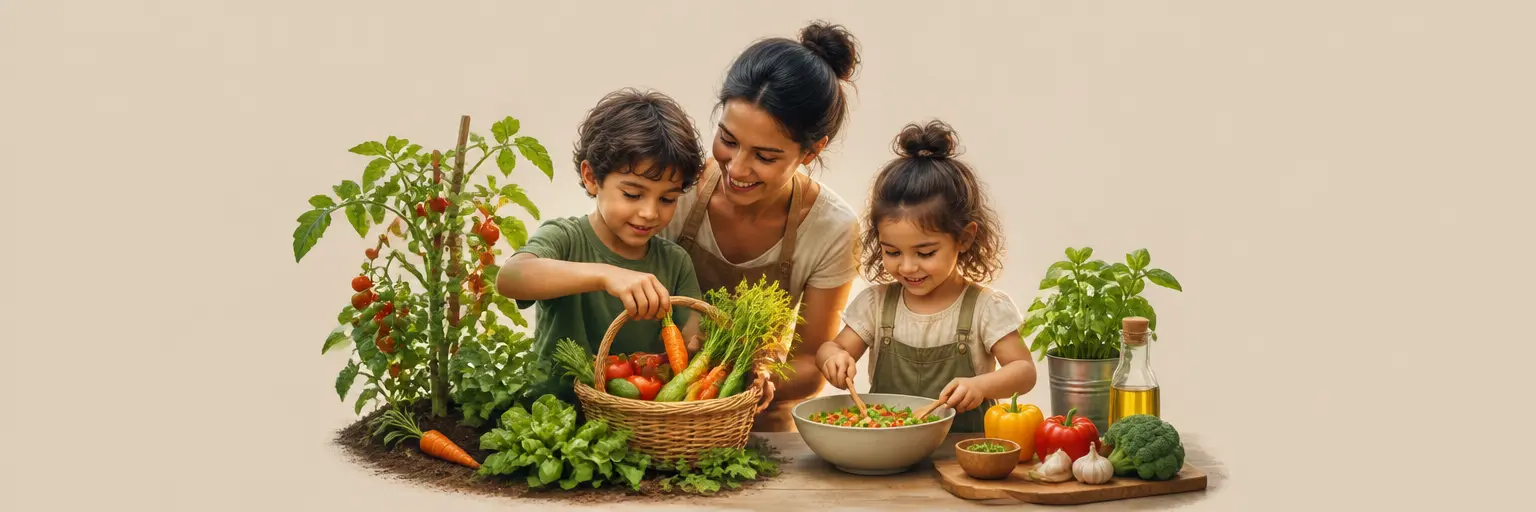
The Taste of Success: Cooking Up Delicious Meals with Your Child's Harvest
Make gardening delicious and fun for the whole family! 🌱 Discover simple, hands-on ideas for harvesting and cooking with kids, from picking fresh fruits, vegetables, and herbs to preparing healthy, organic recipes together. Encourage children to explore where food comes from, build confidence in the kitchen, and enjoy the rewards of sustainable home gardening with CultivateYourFood. 🥕👩🍳
6 articles
The Story of Food: Engaging Kids with the Journey from Garden to Plate
The Adventure of Harvesting: Making Gardening Fun for Kids of All Ages
Harvest Time Adventures: Turning Garden Work into Play for Kids
The Thrill of the Harvest: Engaging Kids with HandsOn Gardening
The Language of Food: Expanding Kids' Palates with Garden Flavors
Harvesting and Cooking with Kids: Fresh Food Adventures at Home
Welcome to Harvesting and Cooking with Kids at CultivateYourFood, where gardening becomes a delicious, hands-on family experience. This subcategory helps parents, caregivers, teachers, and young gardeners discover how to harvest fruits, vegetables, and herbs safely, prepare simple garden-to-table recipes, and build lifelong connections with fresh food. Explore practical ideas for children of all ages, from picking ripe tomatoes and carrots to washing garden produce, measuring ingredients, and creating healthy meals together using sustainable and organic gardening methods.
🌱 Safe and Fun Harvesting Activities for Children
Children can learn valuable gardening skills by helping identify ripe produce, collect herbs, and harvest vegetables from a home garden. Our guides explain how to teach kids when and how to pick common crops such as strawberries, peas, cucumbers, lettuce, peppers, zucchini, tomatoes, and root vegetables without damaging the plant. You will find age-appropriate harvesting activities that encourage observation, patience, responsibility, and respect for nature.
Safety is an essential part of every child-friendly harvest. Discover advice on using suitable tools, washing hands, avoiding poisonous plants, handling prickly or sharp crops, and supervising outdoor activities. Each idea is designed to make harvesting safe, educational, and enjoyable while helping children understand where food comes from and how organic gardening supports healthy ecosystems.
🥕 From Garden to Table: Simple Recipes for Kids
Turn freshly picked produce into nutritious meals and snacks with easy recipes designed for young cooks. Expect ideas for colorful salads, vegetable wraps, herb butter, homemade salsa, fruit skewers, roasted vegetables, garden soup, fresh smoothies, and no-bake treats. These recipes use seasonal ingredients and straightforward steps so children can participate in washing, tearing, mixing, measuring, and decorating food.
Cooking with garden produce helps children become more willing to taste vegetables and appreciate fresh, minimally processed ingredients. Our family cooking guides focus on simple preparation, balanced nutrition, and positive mealtime experiences, with suggestions for adapting recipes to different ages, dietary needs, preferences, and skill levels. Adult supervision is recommended whenever children use knives, heat, appliances, or other kitchen equipment.
👩🍳 Age-Appropriate Gardening and Cooking Tasks
Every child can contribute to the garden and kitchen in a way that matches their development. Younger children may help collect berries, rinse vegetables, remove herb leaves, or arrange ingredients, while older children can measure, chop soft produce with supervision, follow recipes, and help plan family meals. Our content provides practical task ideas for toddlers, preschoolers, elementary-age children, and teens.
Assigning manageable responsibilities builds confidence, coordination, independence, and teamwork. You will learn how to create a child-friendly harvesting and cooking routine, introduce kitchen hygiene, explain safe food handling, and turn everyday garden chores into meaningful learning opportunities without making the experience feel like work.
🌿 Seasonal Harvesting and Garden-to-Table Learning
Seasonal gardening gives children a clear understanding of how food changes throughout the year. Explore activities for spring greens, summer berries and vegetables, autumn root crops and pumpkins, and hardy winter herbs or stored produce. Seasonal guides explain what children can harvest, how to check for ripeness, and which ingredients are best for fresh family recipes.
Cooking with seasonal produce also supports sustainable living and reduces reliance on heavily packaged foods. CultivateYourFood shares ways to connect harvesting with lessons about composting, soil health, organic gardening, pollinators, food preservation, and reducing food waste. Children can see how responsible growing and thoughtful cooking work together from seed to plate.
🌎 Sustainable Food Education for Young Gardeners
Harvesting and cooking offer natural opportunities to teach children about environmental responsibility. Learn how to explain organic pest control, healthy soil, rainwater use, beneficial insects, crop diversity, and composting through age-appropriate activities. Kids can help save vegetable scraps for compost, reuse garden materials, and observe how natural systems support productive home gardens.
Our educational ideas encourage children to value local, homegrown food and make sustainable choices. By growing and preparing their own ingredients, young gardeners develop an understanding of food security, seasonal eating, biodiversity, and low-waste living. These experiences can inspire healthier habits while strengthening family connections through shared outdoor and kitchen activities.
❓ Frequently Asked Questions About Harvesting and Cooking with Kids
When can children start helping in the garden?
Children can begin with simple, supervised activities as soon as they are able to follow basic instructions. Toddlers may collect safe, large produce or help water plants, while older children can identify ripe crops, use child-friendly tools, and assist with harvesting. Always choose tasks that match the child’s age and abilities.
How can I teach children to harvest vegetables without damaging plants?
Show children how to identify ripe produce and demonstrate whether a crop should be picked, twisted, snapped, or cut. Encourage them to hold the plant gently and avoid pulling stems or trampling nearby seedlings. Using clean, age-appropriate tools and providing close supervision can make harvesting safer for both children and plants.
What garden foods are easiest for kids to harvest and cook?
Strawberries, snap peas, cherry tomatoes, lettuce, basil, mint, cucumbers, and carrots are popular choices for children. They are easy to recognize, enjoyable to pick, and suitable for simple recipes such as salads, wraps, herb dips, fruit snacks, and vegetable platters. Choose crops that grow well in your local climate and garden conditions.
How do I keep children safe when cooking fresh garden produce?
Teach children to wash their hands and produce before cooking, keep raw and ready-to-eat foods separate, and follow basic kitchen hygiene. Adults should supervise the use of knives, stovetops, ovens, blenders, and other appliances. Younger children can safely begin with tasks such as rinsing, stirring cold ingredients, tearing greens, and arranging food.
How does cooking with homegrown food benefit children?
Cooking with homegrown ingredients helps children understand how food is produced and encourages them to try a wider variety of fruits, vegetables, and herbs. It can build confidence, practical life skills, creativity, and healthy eating habits. Shared garden-to-table activities also create meaningful family memories while supporting sustainable and organic living.