
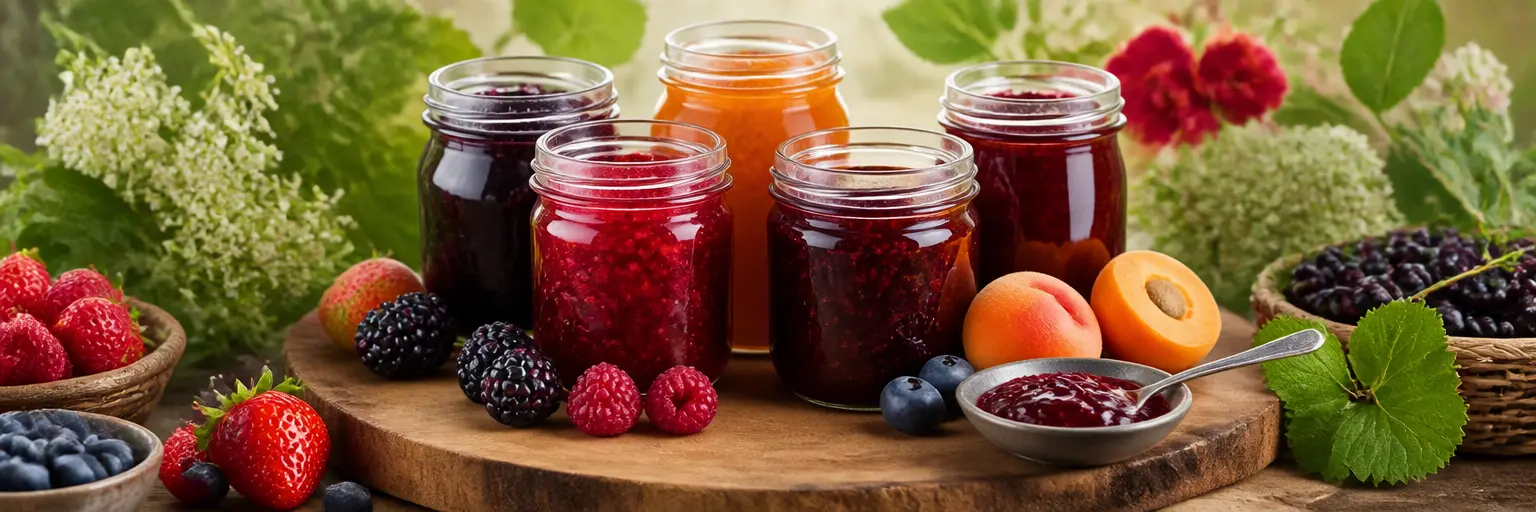
The Secret to Perfect Jams and Jellies: Tips and Tricks from Experienced Gardeners
Turn your garden’s sweetest harvest into delicious homemade preserves! 🍓 Discover practical tips for making jams and jellies from fresh fruits, choosing natural ingredients, achieving the perfect set, and safely preserving each batch. Learn sustainable, organic-friendly techniques that help reduce waste while filling your pantry with flavorful, homemade goodness. 🌿✨
6 articles
Mastering the Art of Jam & Jelly: Advanced Techniques for Experts
LongTerm Storage: How to Keep Your Jams and Jellies Fresh
Making Marmalade: A Citrusy Delight from Your Garden
LowSugar Options: How to Make Healthier Jams and Jellies from Your Garden
GiftWorthy Goodness: Packaging and Presenting Your Homemade Preserves
🍓 Making Jams and Jellies from Your Garden
Turn your homegrown harvest into delicious, long-lasting pantry staples with practical guidance on making jams and jellies from garden produce. This subcategory from CultivateYourFood explores everything from selecting ripe fruits and preparing ingredients to choosing the right pectin, balancing sugar and acidity, safely filling jars, and storing homemade preserves. Whether you grow strawberries, raspberries, blackberries, peaches, plums, apples, grapes, tomatoes, or herbs, you will find approachable recipes and reliable food-preservation techniques for transforming fresh produce into flavorful spreads.
🌱 Garden-to-Jar Preserving for Homegrown Produce
Discover how to preserve seasonal fruits and selected vegetables using simple, sustainable methods that reduce food waste and extend the life of your organic garden harvest. Articles cover small-batch jam making, fruit jelly recipes, marmalade, fruit butter, chutney-style preserves, and creative combinations based on what is growing in your backyard garden.
Readers can expect practical advice on harvesting produce at peak ripeness, washing and preparing ingredients, removing stems and seeds, and adapting recipes to available quantities. These guides are designed for beginner gardeners and experienced home preservers who want dependable results from fresh, chemical-free, homegrown ingredients.
🍓 Homemade Jam Recipes for Every Season
Explore flavorful homemade jam recipes featuring strawberries, blueberries, raspberries, blackberries, cherries, peaches, apricots, plums, pears, and apples. You will learn how fruit variety, ripeness, natural pectin, and cooking time affect texture, color, flavor, and spreadability.
Seasonal preserving guides make it easier to plan your harvest and prepare jams when garden produce is most abundant. Expect ideas for combining fruits with herbs such as basil, mint, rosemary, and lavender, along with tips for creating low-sugar jam, naturally sweetened preserves, and recipes that highlight the unique character of organic homegrown fruit.
🍇 Jelly Making and Clear Fruit Spreads
Learn how to make smooth, jewel-like jellies from fruit juices, including grape, apple, currant, blackberry, and elderberry jelly. Detailed instructions explain how to extract juice, strain pulp, measure ingredients accurately, and achieve a firm but spreadable set without cloudiness or crystallization.
Guides also explain the role of natural pectin, lemon juice, sugar, and boiling temperature in successful jelly making. With the right techniques, you can create attractive jars of clear homemade jelly for breakfast toast, baking, desserts, gift baskets, and year-round enjoyment.
🫙 Safe Canning and Storage Techniques
Food safety is essential when preserving garden produce. This section explains tested water-bath canning principles, jar preparation, lid selection, headspace, processing times, and cooling procedures. You will learn how to identify a proper seal and how to handle jars that fail to seal correctly.
Readers will also find storage recommendations for homemade jam and jelly, including suitable temperatures, light protection, labeling, and shelf-life considerations. Follow safe canning practices and use reliable recipes to help protect your family while preserving the flavor and nutrition of your harvest.
🍯 Pectin, Sugar, Acidity, and Setting Problems
Successful jam and jelly making depends on the relationship between fruit, pectin, sugar, and acidity. Learn when to use commercial pectin, how to work with naturally high-pectin fruits, and why some recipes require lemon juice or another approved acidic ingredient.
This subcategory also helps troubleshoot common problems, including runny jam, overly firm jelly, foaming, crystallized sugar, darkened fruit, and uneven texture. Clear explanations and practical adjustments make it easier to produce consistent homemade preserves without wasting valuable garden ingredients.
🎁 Creative Ways to Use and Share Preserves
Homemade jams and jellies can be used far beyond morning toast. Discover serving ideas for yogurt, oatmeal, pancakes, biscuits, cheeseboards, cakes, cookies, marinades, glazes, and salad dressings. Fruit preserves can add natural sweetness and vibrant flavor to everyday meals.
You will also find inspiration for labeling jars, creating seasonal gift sets, and sharing garden-to-table products with friends and family. Beautifully packaged preserves are a thoughtful way to celebrate a successful harvest while encouraging others to appreciate sustainable home food preservation.
❓ Frequently Asked Questions About Making Jams and Jellies
🍓 What is the difference between jam and jelly?
Jam is made with crushed or chopped fruit, so it usually contains fruit pulp and has a thicker, textured consistency. Jelly is made from strained fruit juice and has a smooth, clear, firm texture. Both can be prepared with homegrown produce using sugar, acid, and either natural or commercial pectin.
🫙 Do homemade jams and jellies need to be canned?
For longer-term pantry storage, jams and jellies should be processed using an appropriate boiling-water canning method and tested recipes. Refrigerated preserves may not require water-bath processing, but they must be stored cold and used within a safe period. Always follow current food-preservation guidance for the specific recipe.
🍋 Why is lemon juice used in jam and jelly recipes?
Lemon juice provides acidity, which helps pectin set and supports safe preservation in many fruit recipes. It can also balance sweetness and brighten flavor. Use the amount specified in a reliable recipe rather than changing acidity levels randomly.
🍯 Why is my homemade jam too runny?
Runny jam may result from insufficient cooking, inaccurate measurements, low-pectin fruit, inadequate acidity, or reducing the sugar without using a suitable low-sugar pectin. Some preserves firm as they cool, so allow them to cool completely before deciding whether the set is unsuccessful.
🌿 Can I make jam with organic or low-sugar garden produce?
Yes, organic garden produce works well for jams and jellies, provided it is clean, ripe, and free from spoilage. Low-sugar recipes are possible with specially formulated pectin or tested recipes. Do not simply remove sugar from a standard recipe, because sugar affects texture, preservation, and the final set.