
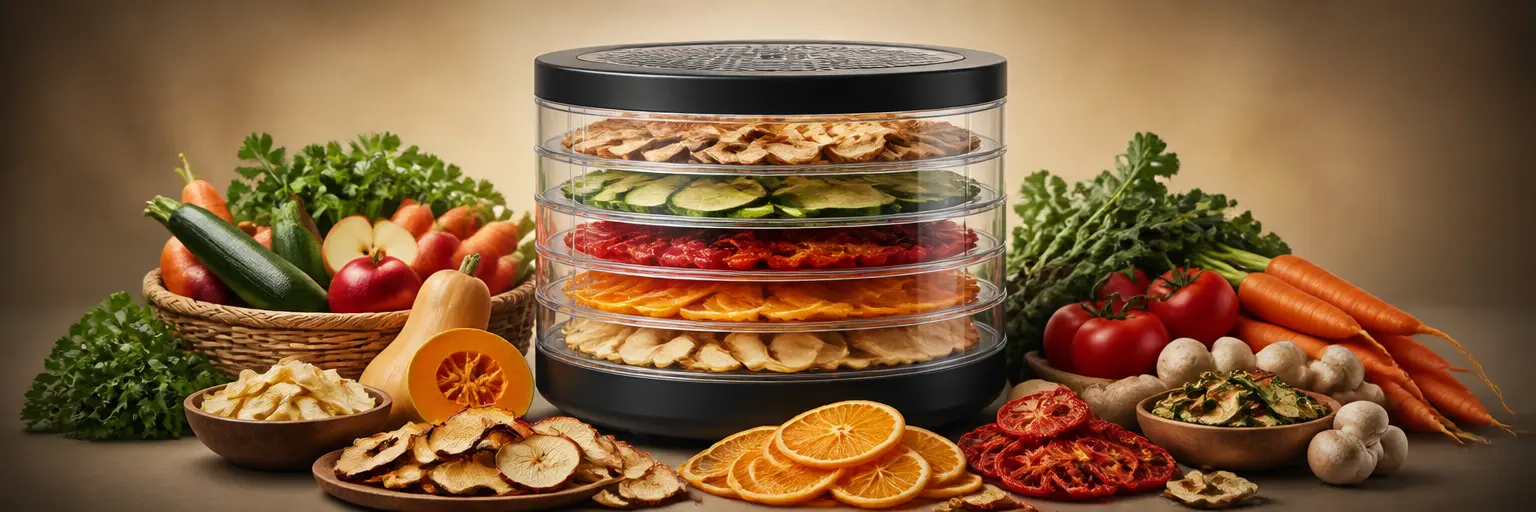
Best Practices for Drying in Dry Climates: Optimizing Drying Conditions
Discover smart, sustainable ways to preserve your garden’s harvest with drying fruits and vegetables 🍎🥕 Learn organic food preservation techniques, from air-drying and sun-drying to using dehydrators, while maintaining flavor, nutrients, and shelf life. Perfect for home gardeners, these practical methods help reduce food waste and ensure delicious, homemade produce is available year-round.
6 articles
Drying Fruits 101: The Ultimate Guide for Home Gardeners
Drying Herbs: Tips and Tricks for Preserving Aromatic Goodness
Top Vegetables for Drying: Extending Your Harvest with These Varieties
Dehydrating Vegetables: A Simple Method for LongLasting Flavor
The Nutritional Benefits of Dried Fruits and Vegetables: Healthy Snacking
🍎 Drying Fruits and Vegetables: Natural Food Preservation at Home
Welcome to the Drying Fruits and Vegetables subcategory at CultivateYourFood, your trusted resource for sustainable home gardening, harvesting, and organic food preservation. Learn how to transform garden-fresh produce into lightweight, shelf-stable foods using dehydrating, air-drying, sun-drying, and oven-drying methods. Our practical guidance helps you preserve seasonal abundance, reduce food waste, and enjoy nutritious fruits, vegetables, herbs, and garden produce throughout the year.
🌞 Essential Fruit and Vegetable Drying Methods
Discover reliable techniques for drying produce at home, including food dehydrators, low-temperature ovens, solar drying, and natural air-drying. Learn how temperature, humidity, airflow, and preparation affect drying time and final texture, whether you are preserving apples, tomatoes, peppers, berries, mushrooms, leafy greens, or root vegetables.
Each method is explained with practical steps for gardeners and home preservers. You can expect guidance on slicing produce evenly, arranging pieces for proper airflow, preventing discoloration, and identifying when dried food has reached the correct moisture level for safe storage.
🥕 Preparing Garden Produce for Dehydration
Successful drying begins with high-quality ingredients. Learn how to select fresh, ripe, undamaged fruits and vegetables from your organic garden, wash them thoroughly, remove stems and cores, and cut pieces into consistent sizes. Proper preparation improves flavor, appearance, drying efficiency, and long-term storage quality.
This section also covers blanching vegetables, pretreating fruit with lemon juice or other suitable solutions, and handling delicate produce. These preparation techniques can help preserve color, texture, nutrients, and natural sweetness while reducing the risk of uneven drying.
🍓 Drying Fruits for Healthy Snacks and Storage
Explore ways to dry apples, pears, bananas, strawberries, blueberries, peaches, plums, grapes, cherries, and other homegrown or locally sourced fruit. Learn how to create naturally sweet homemade dried fruit snacks without unnecessary additives, while controlling thickness, chewiness, and crispness.
Find ideas for using dried fruit in trail mixes, granola, oatmeal, baked goods, herbal teas, lunch boxes, and camping meals. Clear instructions help you avoid common problems such as sticky surfaces, case hardening, mold growth, and excessive browning.
🌶️ Dehydrating Vegetables, Herbs, and Mushrooms
Preserve the flavors of your vegetable garden by drying tomatoes, carrots, onions, garlic, peppers, zucchini, green beans, peas, kale, spinach, and other produce. You will learn which vegetables benefit from blanching and how to prepare dehydrated vegetables for soups, stews, sauces, and emergency food supplies.
Herbs and mushrooms require special attention because of their delicate structure and moisture content. Discover suitable drying conditions for basil, oregano, thyme, rosemary, mint, parsley, and edible mushrooms, along with ideas for creating homemade seasonings, vegetable powders, and flavorful pantry staples.
🫙 Safe Storage of Dried Produce
Proper storage is essential for maintaining the quality and safety of dehydrated food. Learn how to cool dried produce before packaging, check for remaining moisture, and choose suitable containers such as airtight glass jars, vacuum-sealed bags, and moisture-resistant storage pouches.
We also explain how to label containers with the food name and drying date, store them in a cool and dark location, and inspect preserved produce regularly. These habits help protect dried fruits and vegetables from moisture, insects, oxidation, and spoilage.
♻️ Sustainable and Organic Food Preservation
Drying food is an energy-conscious way to preserve a productive garden harvest and reduce household waste. Learn how to use surplus, imperfect, or overabundant produce instead of discarding it. This supports zero-waste gardening, seasonal eating, sustainable living, and home food self-sufficiency.
At CultivateYourFood, drying guidance complements organic cultivation, composting, responsible harvesting, and natural pest control. Reduce reliance on packaged snacks, make better use of your garden, and build a resilient pantry filled with nutritious foods you have preserved yourself.
❓ Frequently Asked Questions About Drying Fruits and Vegetables
🍏 What fruits and vegetables are best for drying?
Popular fruits for drying include apples, pears, bananas, berries, peaches, plums, grapes, and cherries. Suitable vegetables include tomatoes, carrots, peppers, onions, garlic, zucchini, green beans, leafy greens, and mushrooms. Choose fresh, ripe, firm produce without bruises, mold, or signs of decay.
🌡️ What temperature should be used to dehydrate fruits and vegetables?
Drying temperatures vary by food and equipment, but many fruits are dehydrated at approximately 125–135°F (52–57°C), while vegetables are often dried at approximately 125–145°F (52–63°C). Always follow your dehydrator manufacturer’s instructions and use consistent airflow for even results.
💧 How can I tell when dried produce is ready?
Dried fruit should generally feel pliable or leathery without releasing moisture when pressed. Dried vegetables are usually firm, brittle, or crisp, depending on the variety. Allow the food to cool before testing, because warm pieces may seem softer than they are. If condensation appears in the storage container, continue drying.
🫙 How should dehydrated food be stored?
Store completely cooled dried food in clean, airtight containers in a cool, dark, and dry place. Glass jars, vacuum-sealed bags, and high-quality food-storage pouches are suitable options. Label each container with the contents and date, and check stored food regularly for moisture, insects, off odors, or mold.
⚠️ Is home-dehydrated food safe to eat?
Home-dehydrated food can be safe when produce is handled hygienically, dried thoroughly, and stored correctly. Wash produce, clean equipment, maintain appropriate temperatures, and avoid packing food before it has cooled. Discard any food showing mold, fermentation, unusual odors, or signs of spoilage.