
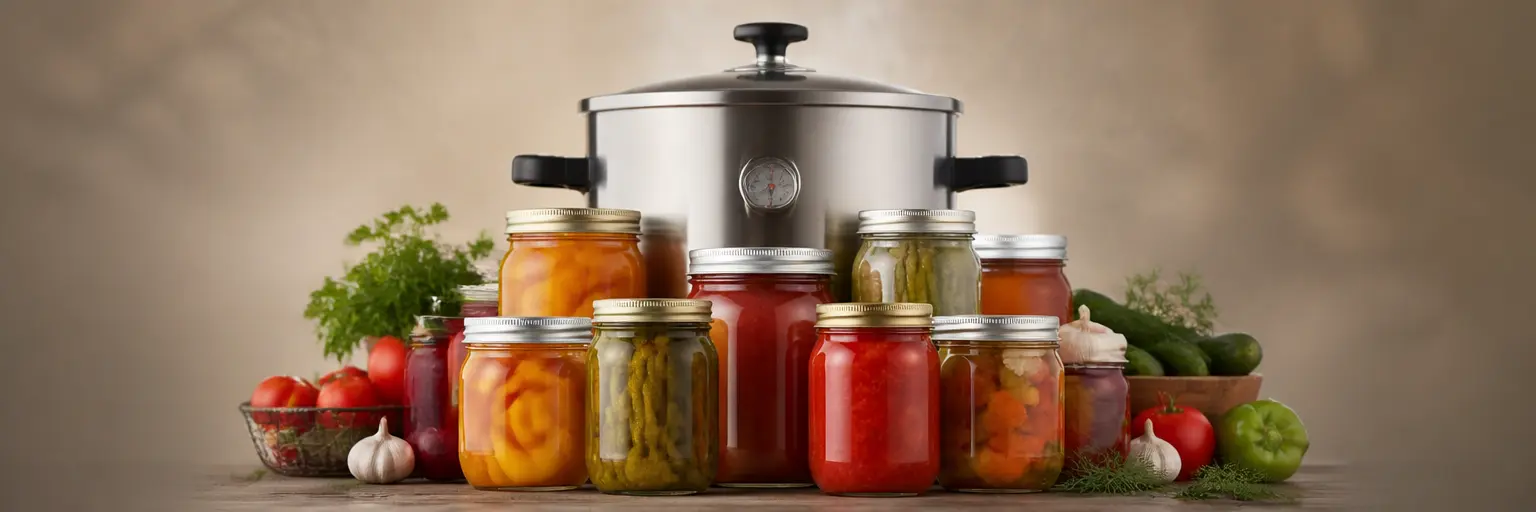
Canning with Alternative Sweeteners: Exploring Options for Reduced Sugar Preserves
Discover canning and jarring techniques for preserving your homegrown harvest safely and deliciously 🥫🌿. Learn practical tips for preparing fruits, vegetables, sauces, jams, and pickles while extending freshness, reducing food waste, and enjoying organic garden produce year-round. Explore trusted preservation methods, proper sterilization, sealing guidance, and storage ideas to confidently turn seasonal abundance into long-lasting homemade food.
6 articles
Canning Resources and Communities: Where to Find Support and Inspiration
The Importance of Proper Sealing in Canning: Ensuring Safe and LongLasting Preserves
Pressure Canning Demystified: A Complete Guide to Safely Preserving LowAcid Foods at Home
Canning Pickles and Relishes: Adding Tangy Flavors to Your Home Pantry
Getting Started with Jarring: Essential Tools and Equipment for Home Preserving
🥫 Canning and Jarring Techniques for Homegrown Food
Welcome to the Canning and Jarring Techniques subcategory at CultivateYourFood, your practical resource for preserving fruits, vegetables, herbs, sauces, jams, pickles, and other homegrown produce. Learn how to safely extend the harvest season with reliable water-bath canning, pressure canning, hot-pack, cold-pack, and jar preservation methods. Our guides are designed for home gardeners who want to reduce food waste, protect seasonal abundance, and enjoy sustainably grown produce throughout the year.
🌱 Safe Food Preservation for Home Gardeners
Food safety is the foundation of successful canning and jarring. Discover how to choose sound, fresh produce, clean jars, suitable lids, and the correct processing method for each type of food. Detailed guidance on acidity, processing time, temperature, headspace, sealing, and storage helps you preserve food with confidence.
Readers can expect practical information about safe canning procedures, sterilizing equipment, preventing spoilage, and identifying signs of failed seals or contamination. Whether you are preserving a small kitchen-garden harvest or preparing large batches for winter, these techniques support safe, sustainable home food preservation.
🍅 Water-Bath Canning for High-Acid Foods
Water-bath canning is a popular method for preserving high-acid foods such as tomatoes, fruits, fruit sauces, jams, jellies, chutneys, and many pickled vegetables. Learn how boiling-water processing works, how to prepare jars correctly, and how to follow tested processing times for consistent results.
Our content explains important details such as acid balance, lemon juice, vinegar, headspace, altitude adjustments, and proper cooling. You can also discover recipe ideas for tomato sauce, fruit preserves, apple butter, berry jam, pickled onions, and other shelf-stable pantry favorites.
🥕 Pressure Canning for Low-Acid Vegetables
Low-acid foods, including green beans, carrots, corn, peas, potatoes, squash, and many vegetable combinations, require pressure canning to reach the temperatures needed for safe preservation. Explore beginner-friendly explanations of pressure canner preparation, jar loading, venting, pressure levels, and processing times.
These guides emphasize tested recipes and dependable safety practices rather than guesswork. Learn how to preserve garden vegetables while maintaining quality, minimize texture loss, and create a well-stocked pantry of homegrown food for soups, stews, side dishes, and everyday meals.
🍓 Jams, Jellies, Preserves, and Fruit Spreads
Turn ripe garden and orchard produce into flavorful jams, jellies, marmalades, fruit butters, and preserves. Find advice on selecting fruit, balancing sugar and acidity, using natural pectin, testing gel stages, and filling jars for a clean, attractive finish.
Readers can explore ways to preserve strawberries, raspberries, blueberries, peaches, plums, apples, grapes, and other seasonal fruit. Learn how to prevent crystallization, foaming, runny texture, and discoloration while creating delicious homemade fruit preserves that make thoughtful gifts and convenient breakfast staples.
🥒 Pickling and Fermented Jar Recipes
Pickling is an excellent way to preserve cucumbers, beets, carrots, cabbage, peppers, onions, and other garden vegetables. Discover the difference between vinegar pickling and fermentation, along with guidance on brine strength, spices, acidity, crunch, and safe storage.
From refrigerator pickles to shelf-stable dill pickles and fermented vegetables, these resources help you make flavorful jars using homegrown ingredients. Learn how vinegar, salt, fermentation time, garlic, herbs, and spices influence taste and texture while reducing waste from surplus harvests.
🌿 Preserving Herbs, Garlic, and Garden Flavors
Fresh herbs, garlic, peppers, and aromatic vegetables can add flavor to many preserved foods. Explore methods for jarring herb-infused sauces, preserving garlic safely, preparing pepper relishes, and combining herbs with tomatoes, vegetables, or fruit.
Because some oil-based and low-acid mixtures require special care, our guides focus on safe ingredient combinations and appropriate storage methods. You will find ideas for preserving basil, rosemary, thyme, oregano, mint, chilies, and other organically grown garden flavors.
🫙 Choosing Jars, Lids, and Canning Equipment
The right equipment makes home canning easier, safer, and more efficient. Learn how to select canning jars, two-piece lids, jar lifters, funnels, racks, pressure canners, water-bath canners, thermometers, and measuring tools for different preservation projects.
Our recommendations also cover inspecting jars for chips and cracks, matching lids to jar types, avoiding common sealing mistakes, and organizing a practical home canning station. Proper equipment care supports reliable jar seals, long-term pantry storage, and repeatable results.
📦 Storing, Labeling, and Using Home-Canned Food
Proper storage helps preserve the quality of canned and jarred food after processing. Learn how to cool jars, check seals, remove residue, label contents and dates, and store jars in a cool, dark, dry location away from temperature changes and direct sunlight.
Discover helpful pantry organization strategies and ways to rotate jars using a first-in, first-out system. We also share serving ideas for home-canned food, including soups, sauces, relishes, jams, pickles, and vegetables, so your preserved harvest becomes part of regular, nourishing meals.
❓ Frequently Asked Questions About Canning and Jarring
What is the difference between water-bath canning and pressure canning?
Water-bath canning uses boiling water and is generally intended for high-acid foods, such as fruit, jams, pickles, and properly acidified tomatoes. Pressure canning reaches a higher temperature and is required for many low-acid foods, including most vegetables, meats, and poultry.
Can any recipe be safely canned in a jar?
No. Safe canning requires a tested recipe with appropriate acidity, ingredients, jar size, headspace, and processing time. Avoid casually adapting recipes or canning thick mixtures, dairy products, oils, or low-acid foods without reliable preservation guidance.
How do I know whether a canning jar has sealed correctly?
After jars cool completely, press the center of each lid. A properly sealed lid should remain firm and should not flex or pop. Any jar that fails to seal should be refrigerated and used promptly, or reprocessed according to safe, current instructions.
How long can home-canned food be stored?
For best quality, home-canned food is commonly used within one year when stored in a cool, dark, dry place. Always inspect jars before opening and discard food with unusual odors, mold, leaking, bulging lids, broken seals, or other signs of spoilage.
What are the most common home canning mistakes?
Common mistakes include using untested recipes, ignoring altitude adjustments, overfilling jars, leaving incorrect headspace, failing to vent a pressure canner, using damaged jars, and storing jars in warm or humid conditions. Following current tested canning instructions helps produce safer and higher-quality preserved food.