
Root Maggot Damage: Recognizing the Underground Signs
Learn to recognize common garden pests before they damage your plants! 🐞 Explore organic pest identification tips, discover signs of insect infestations, and understand which bugs threaten fruits, vegetables, and herbs. With practical, sustainable guidance from CultivateYourFood, you can protect your garden naturally and support healthier, more productive harvests. 🌱
8 articles
Nematodes: Biological Control for Root Maggots
Spider Mite Life Cycle: How They Multiply Quickly
Differentiating Between Cabbage Worms and Loopers
Cutworm Damage: Identifying the Different Stages
How to Recognize Different Types of Aphids in Your Garden
Recognizing the Signs of Spider Mites: Early Detection Tips
Squash Bug Nymphs: How to Spot Them Early
🐛 Identifying Common Garden Pests
Welcome to CultivateYourFood, your trusted resource for identifying common garden pests and protecting home-grown fruits, vegetables, and herbs naturally. Correct pest identification is the first step toward effective organic pest control, because different insects, mites, slugs, and other garden invaders require different solutions. Learn how to recognize pest damage, distinguish beneficial insects from harmful species, and choose sustainable methods that support a healthy, productive garden.
🔍 How to Identify Garden Pests Accurately
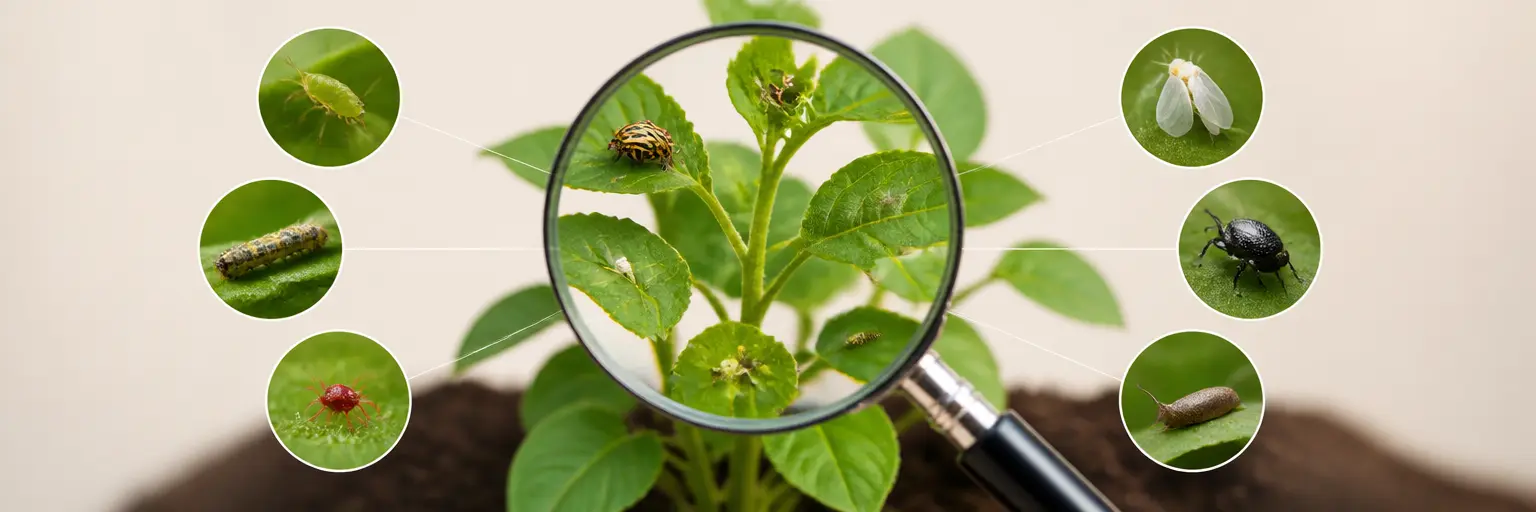
Garden pest identification starts with carefully examining leaves, stems, flowers, roots, and soil. Look for common signs such as holes in foliage, chewed edges, sticky residue, webbing, curled leaves, yellowing, wilting, or discolored patches. The location and pattern of the damage can help reveal whether you are dealing with aphids, caterpillars, beetles, thrips, spider mites, or another garden pest.
For the most reliable diagnosis, inspect plants during different times of day and use a magnifying glass when necessary. Photograph the insect and its damage, note which plants are affected, and check the undersides of leaves where many pests hide. Accurate identification helps prevent unnecessary pesticide use and makes your pest management strategy more targeted and environmentally responsible.
🦗 Common Insect Pests in Vegetable Gardens
Vegetable gardens can attract a wide range of insect pests, including aphids, whiteflies, squash bugs, cucumber beetles, flea beetles, tomato hornworms, cabbage worms, and Colorado potato beetles. These insects may suck plant sap, chew leaves, damage roots, bore into stems, or spread plant diseases. Learning the appearance, feeding habits, and preferred crops of each pest makes it easier to respond before an infestation becomes severe.
At CultivateYourFood, you can learn how to identify pests on tomatoes, peppers, cucumbers, squash, beans, leafy greens, potatoes, and other edible crops. Early detection is one of the most effective organic gardening practices, allowing you to remove pests by hand, use barriers, encourage beneficial insects, or apply suitable natural treatments only when needed.
🐌 Slugs, Snails, and Other Nighttime Garden Pests
Slugs and snails are common garden pests that feed on seedlings, leafy greens, herbs, and tender plant growth. Their damage often appears as irregular holes, shredded leaves, or completely missing seedlings. Shiny slime trails and feeding activity around damp areas are strong indicators of a slug or snail problem, particularly after rain or during nighttime hours.
Other pests, such as earwigs, cutworms, and root-feeding larvae, may also be active after dark or hidden beneath mulch and soil. Regular evening inspections and morning checks can reveal problems that are easy to miss during the day. Understanding where these pests shelter helps gardeners improve sanitation, adjust watering habits, and use sustainable control methods.
🕷️ Aphids, Mites, and Sap-Sucking Insects
Aphids, spider mites, whiteflies, scale insects, and thrips feed by piercing plant tissue and extracting sap. Common symptoms include curled leaves, stunted growth, yellow stippling, distorted new shoots, and sticky honeydew on foliage. Honeydew may attract ants and encourage the growth of black sooty mold, making a small pest population more noticeable over time.
Because sap-sucking insects are often tiny, inspect new growth, leaf undersides, and stems closely. Beneficial insects such as ladybugs, lacewings, and predatory mites can help control many of these pests naturally. Strong water sprays, improved plant health, insect exclusion, and carefully selected organic treatments can also reduce pest pressure while protecting pollinators.
🐛 Caterpillars, Beetles, and Leaf-Chewing Pests
Leaf-chewing pests create visible holes, ragged edges, skeletonized leaves, and damaged buds. Common examples include cabbage worms, tomato hornworms, armyworms, Japanese beetles, cucumber beetles, and flea beetles. Some caterpillars blend into stems and foliage, while beetles may be recognized by their color, shape, movement, or distinctive feeding patterns.
Check plants frequently for eggs, droppings, larvae, and adult insects. Handpicking larger pests and using floating row covers are simple, effective organic gardening techniques. Crop rotation, healthy soil, companion planting, and habitat for predatory insects can further reduce recurring infestations without relying on broad-spectrum chemical pesticides.
🌿 Recognizing Pest Damage on Fruits, Vegetables, and Herbs
Different crops display different symptoms when attacked by garden pests. Tomato plants may suffer from hornworm defoliation, aphid colonies, or fruit-boring insects. Brassicas can show caterpillar holes and imported cabbageworm damage, while basil, mint, and other herbs may develop distorted leaves from aphids, mites, or leaf miners. Fruit trees and berry plants may also experience damage from borers, fruit flies, scale, and beetles.
Compare damaged plants with healthy specimens and examine whether symptoms are caused by insects, disease, nutrient deficiencies, or environmental stress. Correct diagnosis prevents treating the wrong problem and helps preserve beneficial organisms. A garden journal with photographs, dates, weather conditions, and affected crops can make future pest identification faster and more accurate.
🧪 Organic and Sustainable Pest Identification Strategies
Identifying pests is an essential part of integrated pest management, or IPM. This approach combines monitoring, prevention, physical controls, biological controls, and low-impact organic treatments. Instead of eliminating every insect, gardeners focus on keeping harmful pest populations below damaging levels while protecting soil life, pollinators, birds, and other beneficial wildlife.
Use insect netting, row covers, traps, clean gardening tools, compost-rich soil, crop rotation, and resistant plant varieties as part of a sustainable pest prevention plan. Healthy plants are better equipped to withstand minor pest damage, so proper watering, sunlight, spacing, mulching, and organic fertilization are important parts of long-term garden pest control.
❓ Frequently Asked Questions About Identifying Common Garden Pests
What are the most common garden pests?
Common garden pests include aphids, whiteflies, spider mites, caterpillars, tomato hornworms, cucumber beetles, flea beetles, squash bugs, slugs, snails, cutworms, and Japanese beetles. The most common species depend on your climate, season, crop selection, and local growing conditions.
How can I tell whether an insect is harmful or beneficial?
Observe what the insect is doing before removing it. Harmful pests usually chew plant tissue, suck sap, bore into stems, damage roots, or spread disease. Beneficial insects, including ladybugs, lacewings, hoverflies, praying mantises, and many wasps, may prey on pests or pollinate flowers. When uncertain, photograph the insect and identify it before taking action.
What does it mean when plant leaves have holes?
Holes may be caused by caterpillars, beetles, slugs, snails, grasshoppers, or flea beetles. Examine the shape and size of the holes, check the leaf undersides, and look for droppings, slime trails, eggs, or insects. The timing of the damage and the affected plant species can also help identify the responsible pest.
Can I identify garden pests without using pesticides?
Yes. A magnifying glass, garden journal, reference images, and close observation are usually enough to identify many common garden pests. Inspect plants regularly, photograph symptoms, and compare the insect and damage pattern with reliable gardening resources. Identification should come before treatment, especially in an organic garden.
What is the best natural way to prevent garden pest infestations?
The best prevention combines several sustainable practices: grow healthy plants, rotate crops, remove diseased plant material, control weeds, use row covers, encourage beneficial insects, maintain healthy soil, and inspect plants regularly. Early detection and integrated pest management are more effective and environmentally friendly than waiting until a large infestation develops.