
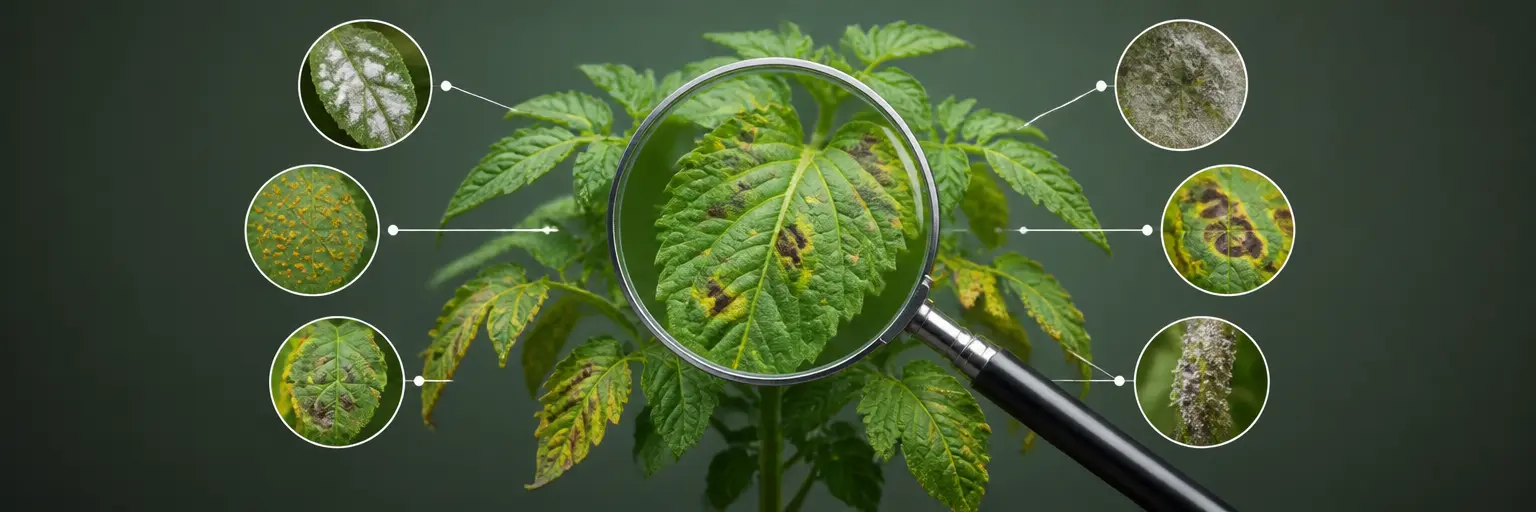
Fusarium Wilt: Recognizing This SoilBorne Disease
Identify common plant diseases early and protect your garden naturally 🌿 Learn to recognize symptoms such as yellowing leaves, powdery mildew, leaf spots, root rot, and wilting, while discovering organic pest and disease control strategies that support healthy fruits, vegetables, and herbs. Spot problems sooner, prevent spread, and cultivate thriving plants sustainably with practical guidance from CultivateYourFood.
8 articles
Identifying Common Plant Diseases by Leaf Color Changes
Clubroot Disease: Recognizing Swollen Roots in Crucifers
How Weather Conditions Impact Plant Disease
Using a Plant Disease Identification Guide
Identifying Plant Diseases: A StepbyStep Approach
Preventing the Spread of Disease: Best Garden Practices
Spotting the Initial Signs of a Plant Disease Outbreak
🌿 Recognizing Common Plant Diseases for a Healthier Home Garden
Welcome to Recognizing Common Plant Diseases on CultivateYourFood, your practical resource for identifying, preventing, and managing plant health problems in an organic home garden. Learn how to recognize early symptoms such as yellow leaves, white powder, brown spots, wilting, root rot, leaf curl, and stunted growth before diseases spread through your fruits, vegetables, and herbs. With the right knowledge, you can make informed decisions using sustainable plant care, natural disease prevention, healthy soil practices, and environmentally responsible pest and disease control methods.
🔍 How to Identify Plant Diseases Early
Early diagnosis is one of the most effective ways to protect a vegetable garden, herb garden, or backyard orchard. This subcategory explains how to inspect leaves, stems, roots, flowers, and fruit for common signs of infection. Readers will learn to compare normal plant development with symptoms caused by fungal diseases, bacterial infections, viral diseases, nutrient deficiencies, overwatering, poor drainage, and environmental stress.
Expect clear guidance on observing leaf discoloration, lesions, mold, wilting, curling, holes, and unusual growth. You will also discover why checking the entire plant, examining nearby plants, and recording when symptoms appear can help distinguish a contagious disease from watering problems or natural seasonal changes.
🍂 Common Fungal Diseases in Fruits, Vegetables, and Herbs
Fungal diseases are among the most frequent problems in home gardens, especially where foliage remains wet, air circulation is limited, or soil drainage is poor. Learn how to recognize powdery mildew, downy mildew, early blight, late blight, damping-off, rust, anthracnose, leaf spot, and other common fungal infections affecting tomatoes, cucumbers, squash, beans, herbs, and fruit plants.
Our content focuses on organic fungal disease management, including proper plant spacing, pruning, crop rotation, resistant varieties, careful watering, sanitation, and compost practices. Readers can also learn when natural treatments may help and why removing severely infected plant material is sometimes necessary to prevent spores from spreading.
🦠 Recognizing Bacterial and Viral Plant Diseases
Bacterial and viral infections can create symptoms that resemble fungal problems, making accurate identification especially important. This section covers bacterial leaf spot, bacterial wilt, soft rot, mosaic viruses, leaf curl viruses, and other conditions that may affect edible crops. You will learn how symptoms can appear as water-soaked spots, distorted leaves, streaks, wilted stems, or unusual patterns of light and dark green.
Because many viral diseases have no direct cure, prevention is essential. Discover how to use clean tools, disease-free seeds, healthy transplants, crop rotation, insect monitoring, and garden hygiene to reduce infection risks. Guidance also explains when an infected plant should be removed and how to avoid transferring pathogens to healthy crops.
💧 Distinguishing Disease from Watering and Nutrient Problems
Not every unhealthy-looking plant has a disease. Yellow leaves may result from overwatering, underwatering, poor soil drainage, nitrogen deficiency, root damage, or normal aging. This subcategory helps gardeners distinguish infectious plant diseases from abiotic problems caused by sunlight, temperature, soil pH, nutrient imbalance, transplant shock, or inconsistent care.
Readers will find practical advice for checking soil moisture, inspecting roots, reviewing recent weather, and evaluating fertilizer use before applying treatments. This approach supports responsible organic gardening by preventing unnecessary sprays, protecting beneficial organisms, and addressing the underlying cause of plant stress.
🛡️ Preventing Plant Disease in an Organic Garden
Prevention is the foundation of successful pest and disease control. Learn how crop rotation, healthy soil, compost maturity, good airflow, clean garden tools, proper mulching, and careful irrigation can reduce the spread of pathogens. These strategies are suitable for raised beds, container gardens, small plots, greenhouses, and home food gardens.
Expect actionable recommendations for choosing disease-resistant plant varieties, watering at the soil line, removing fallen leaves, disinfecting pruning equipment, and avoiding overcrowding. By building a balanced growing environment, you can support stronger plants while relying less on synthetic pesticides and chemical disease treatments.
🌱 Safe and Sustainable Ways to Manage Plant Diseases
When disease is confirmed, prompt action can help protect nearby crops. Learn about integrated plant health management, which combines accurate diagnosis, sanitation, cultural controls, biological methods, and carefully selected organic products. The goal is to manage disease effectively while preserving soil life, pollinators, earthworms, and other beneficial garden organisms.
This section explains how to apply treatments responsibly and why product labels, harvest intervals, dilution instructions, and crop restrictions matter. You will also learn that prevention, early detection, and consistent monitoring are often more effective than attempting to rescue a severely damaged plant.
❓ Frequently Asked Questions About Recognizing Common Plant Diseases
What are the most common signs of plant disease?
Common signs include yellowing leaves, brown or black spots, white powder, fuzzy growth, wilting, leaf curling, stem lesions, root discoloration, rotting fruit, and unusual patterns on foliage. Examine the entire plant and consider watering, soil, sunlight, and weather conditions before deciding that the problem is infectious.
How can I tell whether a plant has a disease or a nutrient deficiency?
Diseases often produce irregular spots, spreading lesions, mold, sudden wilting, or symptoms that move between plants. Nutrient deficiencies commonly create more consistent patterns, such as uniform yellowing or discoloration on older or newer leaves. A soil test and careful observation can help confirm the cause.
Should I remove a plant affected by disease?
Remove a plant when it has a severe, contagious, or incurable infection, particularly a viral disease or advanced wilt. Place infected material in appropriate waste rather than home compost unless your compost system reaches reliable pathogen-killing temperatures. Clean tools afterward to prevent spreading the problem.
Can compost prevent plant diseases?
Finished, well-balanced compost can improve soil structure, drainage, moisture retention, and microbial diversity, helping plants grow more vigorously. However, compost is not a guaranteed cure. Use mature compost and combine it with crop rotation, proper watering, sanitation, and disease-resistant varieties.
What is the best organic treatment for plant diseases?
The best treatment depends on the diagnosis. Cultural practices such as removing infected leaves, improving airflow, watering at the base, and rotating crops are often the safest first steps. Organic products may help with certain fungal problems, but always follow the label and confirm that the product is suitable for the crop and disease.