
How to Store Your Harvest to Prevent PostHarvest Fungal Decay
Protect your garden from fungal diseases 🍃 with practical, organic solutions for healthier fruits, vegetables, and herbs. Learn how to identify common fungal problems, improve airflow and soil health, prevent disease naturally, and use sustainable treatments to restore thriving plants without harsh chemicals. 🪴
7 articles
Neem Oil for Fungal Control: A Complete Guide
Dealing with Sooty Mold: Causes and Control
How to Test Your Soil for Fungal Pathogens
The Use of Trichoderma Fungi for Disease Suppression
Mulching Techniques to Prevent Fungal Problems in Your Garden
The Importance of Regular Garden Inspections for Fungal Diseases
🍄 Dealing with Fungal Diseases in the Garden
Welcome to Dealing with Fungal Diseases in the Garden, a practical resource within Pest and Disease Control at CultivateYourFood. Learn how to identify, prevent, and manage common fungal diseases affecting vegetables, fruits, herbs, and other home-grown plants using sustainable, organic, and garden-friendly methods. Whether you are dealing with powdery mildew, downy mildew, blight, rust, damping-off, or root rot, this subcategory provides helpful guidance for protecting healthy plants without relying unnecessarily on harsh chemical fungicides.
🔍 Identifying Common Fungal Diseases
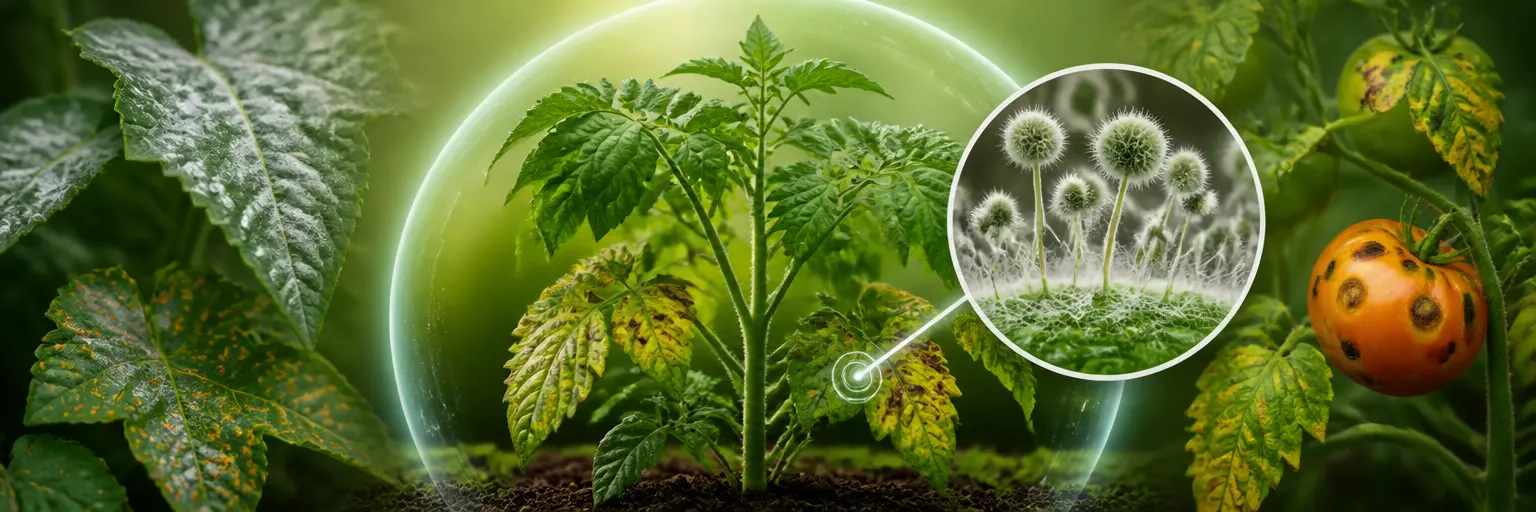
Correct identification is the first step in effective fungal disease control. Discover how to recognize symptoms such as white powdery growth, yellow or brown leaf spots, fuzzy coatings, wilting, stem lesions, rotting roots, and premature leaf drop. Articles in this section explain the differences between fungal infections, bacterial diseases, viral problems, insect damage, and environmental stress.
Expect practical information about fungal diseases commonly found on tomatoes, cucumbers, squash, beans, fruit trees, seedlings, herbs, and ornamental plants. Learning to identify disease patterns early can help you take fast, targeted action before infection spreads throughout your garden.
🌱 Preventing Fungal Problems Naturally
Prevention is one of the most effective ways to maintain a productive organic garden. Explore strategies such as improving air circulation, spacing plants correctly, watering at soil level, choosing disease-resistant varieties, rotating crops, removing infected debris, and keeping foliage dry whenever possible.
You will also find guidance on building healthy soil with compost, encouraging beneficial microorganisms, and avoiding conditions that promote fungal growth. These natural disease prevention methods support stronger plants while protecting pollinators, earthworms, pets, and the wider garden ecosystem.
💧 Watering, Drainage, and Garden Hygiene
Excess moisture, poor drainage, and wet foliage often create ideal conditions for fungal infections. Learn how watering frequency, irrigation techniques, mulch placement, soil structure, and garden drainage can influence disease development. Practical tips can help you prevent waterlogged roots, damp foliage, and recurring fungal outbreaks.
Good garden hygiene is equally important. Discover how to clean pruning tools, remove diseased leaves, dispose of infected plant material safely, and avoid spreading spores between plants. Simple sanitation routines can make a significant difference in vegetable garden disease control.
🌿 Organic Treatments and Natural Fungicides
When prevention is not enough, this section explores organic approaches for managing fungal diseases. Readers can learn about options such as neem-based products, sulfur, copper-based treatments, baking soda sprays, horticultural oils, compost teas, and other remedies suitable for home gardening when used responsibly.
Each treatment should be selected according to the plant, disease, season, and severity of the infection. Find advice on product labels, dilution, application timing, weather conditions, and plant sensitivity. Responsible organic treatment means using the least disruptive solution while protecting beneficial insects and avoiding unnecessary chemical buildup in the soil.
🍅 Protecting Fruits, Vegetables, and Herbs
Fungal diseases can affect nearly every part of an edible garden, from tomato leaves and cucumber vines to strawberry fruit, basil foliage, and fruit tree branches. Learn how to respond to common problems such as early blight, late blight, anthracnose, black spot, powdery mildew, gray mold, and blossom-end-related confusion.
This subcategory focuses on practical crop protection for gardeners growing food at home. Expect helpful information about disease-resistant seeds, seasonal monitoring, pruning, harvesting infected crops, and maintaining plant health through organic growing practices that support reliable yields.
🛠️ Managing Outbreaks and Restoring Plant Health
Once fungal disease appears, prompt and careful management can help reduce further damage. Learn how to isolate affected plants, remove heavily infected growth, improve ventilation, adjust watering, and monitor nearby crops for early symptoms. These steps can help prevent a small outbreak from becoming a garden-wide problem.
You will also discover how to evaluate whether a plant can recover or should be removed and replaced. After an outbreak, restoring soil health, rotating susceptible crops, cleaning containers, and selecting stronger plant varieties can help create a more resilient garden in future seasons.
❓ Frequently Asked Questions About Garden Fungal Diseases
What are the most common fungal diseases in home gardens?
Common garden fungal diseases include powdery mildew, downy mildew, early blight, late blight, rust, damping-off, gray mold, anthracnose, black spot, and root rot. Symptoms vary by plant, so inspect leaves, stems, roots, and fruit carefully before choosing a treatment.
How can I prevent fungal diseases without chemical pesticides?
Use proper plant spacing, water at the base, improve soil drainage, remove diseased leaves, rotate crops, clean tools, and choose resistant varieties. Applying compost and maintaining balanced soil fertility can also support stronger plants that are better able to withstand infection.
Should I remove leaves infected with fungal disease?
Removing heavily infected leaves can reduce the number of spores available to spread the disease. Use clean pruners, avoid working with wet plants, place infected material in household waste when appropriate, and disinfect tools afterward. Do not add diseased plant tissue to a cold or poorly managed compost pile.
Can baking soda or other homemade sprays cure fungal diseases?
Some homemade sprays may help slow certain surface fungal infections, particularly when used early, but they are not guaranteed cures. Always test a small area first, follow safe dilution practices, and avoid applying sprays during intense heat or direct sunlight to prevent leaf damage.
When is it too late to save a plant with fungal disease?
A plant may be difficult to save when most of its foliage is damaged, the main stem is severely infected, or the roots are extensively rotted. If recovery is unlikely, removing the plant can protect nearby crops. Replace it with a suitable resistant variety and improve the growing conditions that contributed to the problem.