
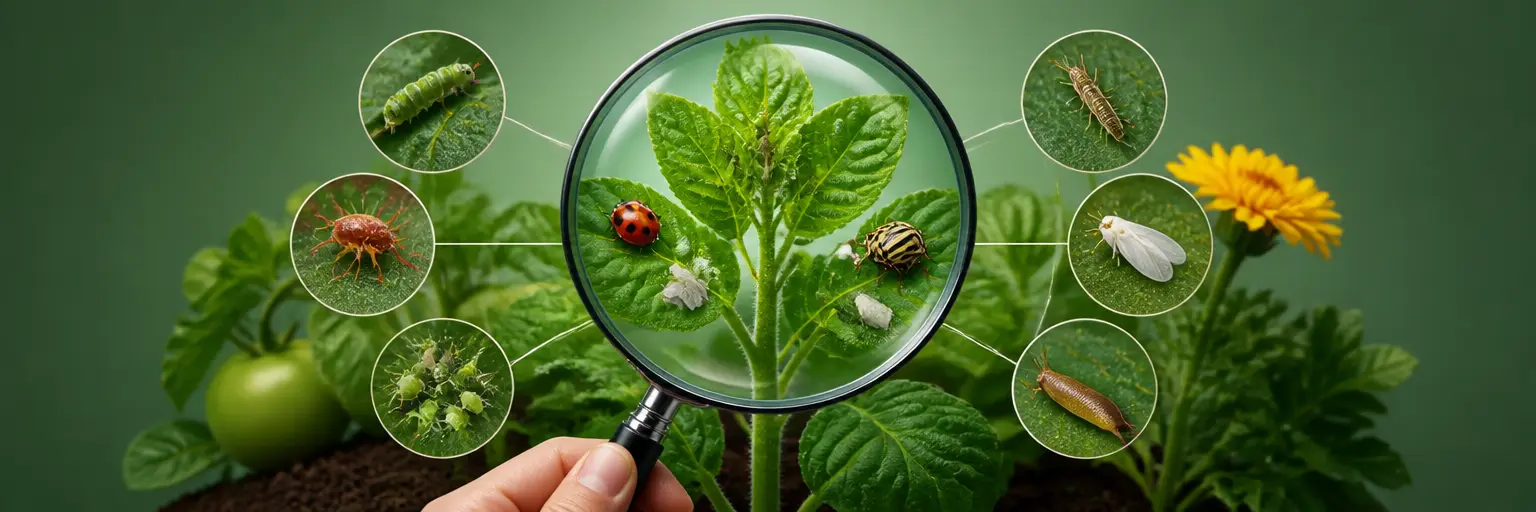
Identifying Aphids: A Gardener's Guide to Recognizing These Tiny Pests
Discover practical, organic ways to identify and manage common garden insects 🐞🌿. Learn to recognize helpful pollinators, spot damaging pests early, and protect fruits, vegetables, and herbs with sustainable pest control methods—from companion planting and handpicking to natural remedies and beneficial insects. Build a healthier garden ecosystem while reducing reliance on harsh chemicals and cultivating thriving, chemical-conscious harvests at home.
7 articles
Organic Caterpillar Control: Safe Methods for Your Garden
DIY Insecticidal Soap: A Simple Recipe for Pest Control
The Art of Observation in Pest Control: The Gardener's Best Tool
Common Garden Pest Mistakes: What to Avoid
Creating a PestResistant Garden: Design and Planting Strategies
Fly Damage on Plants: Recognizing the Signs of Infestation
🐞 Identifying and Managing Common Garden Insects
Welcome to CultivateYourFood, your trusted resource for identifying and managing common garden insects using sustainable, organic, and home-gardening-friendly methods. This subcategory helps gardeners recognize beneficial insects, detect harmful pests early, and protect fruits, vegetables, and herbs without relying on unnecessary synthetic pesticides. Explore practical guidance on insect identification, natural pest control, integrated pest management, organic gardening, companion planting, and safe solutions for a healthier, more productive garden.
🔍 Learn How to Identify Garden Insects
Accurate garden insect identification is the first step toward effective pest control. Discover how to distinguish common pests such as aphids, whiteflies, cabbage worms, cucumber beetles, squash bugs, flea beetles, tomato hornworms, Japanese beetles, and spider mites by their appearance, feeding habits, plant damage, and life cycle.
Our helpful guides explain how to inspect leaves, stems, flowers, soil, and the undersides of foliage for eggs, larvae, webbing, holes, sticky residue, and discoloration. Correct identification prevents misapplied treatments and helps you choose the most appropriate organic insect control method for each crop.
🌿 Protect Fruits, Vegetables, and Herbs Naturally
Find practical ways to manage insect pests on tomatoes, peppers, cucumbers, squash, beans, leafy greens, berries, fruit trees, and culinary herbs. Learn how crop rotation, healthy soil, proper watering, plant spacing, row covers, hand-picking, and garden sanitation can reduce pest pressure naturally.
These resources emphasize safe pest control for edible gardens, helping you protect harvests while supporting pollinators, soil organisms, pets, and beneficial wildlife. You can expect simple techniques that are suitable for organic home gardens and adaptable to containers, raised beds, and backyard plots.
🦋 Recognize Beneficial Insects and Pollinators
Not every insect in the garden is harmful. Ladybugs, lacewings, hoverflies, ground beetles, praying mantises, parasitic wasps, bees, and butterflies can help control pests or pollinate flowers. Learn how to identify these valuable garden allies before removing or treating them.
Discover how to create a beneficial insect habitat with native flowers, diverse plantings, shelter, shallow water sources, and pesticide-free gardening practices. Encouraging natural predators is an important part of integrated pest management and can reduce the need for direct intervention.
🌱 Use Organic and Integrated Pest Management
Explore integrated pest management, or IPM, a balanced approach that combines prevention, monitoring, physical controls, biological controls, and carefully selected organic treatments. Rather than trying to eliminate every insect, IPM focuses on protecting plants when pest populations reach damaging levels.
Learn how to use insecticidal soap, horticultural oil, neem-based products, diatomaceous earth, barriers, traps, and targeted applications responsibly. Our guidance highlights correct timing, label directions, plant safety, and the importance of avoiding broad-spectrum treatments that may harm bees and beneficial insects.
🪴 Manage Insects in Containers and Raised Beds
Container gardens and raised beds can experience many of the same insect problems as larger gardens, including aphids, fungus gnats, spider mites, and whiteflies. Find targeted recommendations for inspecting potted plants, improving drainage, refreshing growing media, and isolating infested plants before pests spread.
These techniques are especially useful for gardeners growing herbs, salad greens, tomatoes, peppers, and strawberries in small spaces. You will learn how to combine regular monitoring with low-impact treatments to maintain healthy plants without disrupting your entire growing system.
📅 Prevent Recurring Garden Insect Problems
Successful pest management begins before insects become overwhelming. Learn how seasonal garden inspections, crop rotation, resistant plant varieties, removal of diseased or infested foliage, and proper end-of-season cleanup can interrupt pest life cycles and reduce reinfestation.
Our prevention-focused content also covers how weather, plant stress, overfertilizing, weeds, and poor air circulation can contribute to pest outbreaks. By strengthening plant health and observing your garden regularly, you can respond early and keep insect damage manageable throughout the growing season.
❓ Frequently Asked Questions About Garden Insects
🐜 What is the best way to identify an unknown garden insect?
Take clear photographs of the insect, the affected plant, and any visible damage. Note the insect’s size, color, location, movement, and whether it is found on leaves, stems, flowers, fruit, or in the soil. Comparing these details with a reliable garden pest identification guide can help determine whether the insect is harmful, beneficial, or harmless.
🐞 Are all insects found in a vegetable garden pests?
No. Many insects are beneficial predators, pollinators, decomposers, or harmless visitors. Ladybugs and lacewing larvae eat aphids, while bees and butterflies pollinate crops. Always identify an insect before applying treatment, because eliminating beneficial species can make pest problems worse.
🌿 What are the safest organic ways to control garden insects?
Start with prevention and physical controls such as hand-picking, pruning damaged foliage, using insect netting, washing pests from plants with water, and removing weeds that harbor insects. If additional control is needed, products such as insecticidal soap or horticultural oil may help when used according to the label and applied carefully to avoid harming pollinators.
🦋 How can I control pests without harming bees?
Monitor plants regularly and treat only when necessary. Avoid spraying open flowers, apply products at dusk or when pollinators are inactive, and choose targeted treatments instead of broad-spectrum insecticides. Planting bee-friendly flowers and preserving natural predators also supports a healthier, more balanced garden ecosystem.
🌱 When should I treat an insect infestation?
Treatment is usually most effective when pests are detected early and before they reproduce extensively. However, a small number of insects may not require action if plants remain healthy and beneficial predators are present. Inspect your plants frequently, assess the level of damage, and choose the least disruptive solution that protects the crop.