
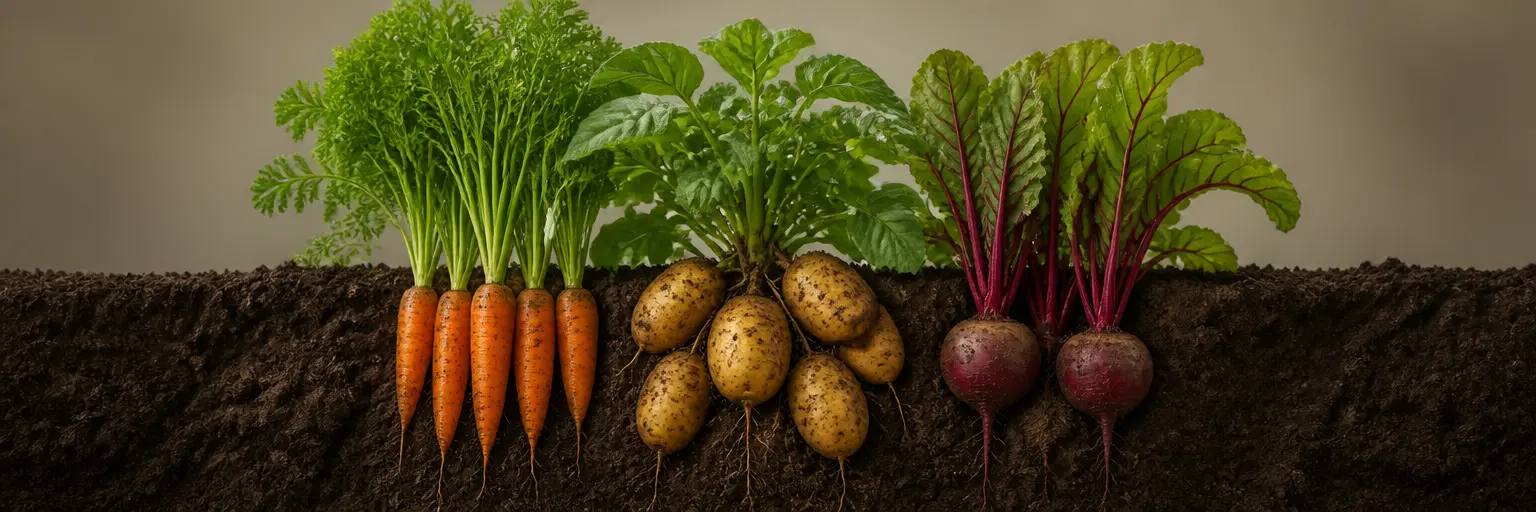
The Secret to Growing Large and Sweet Beets: CultivateYourFood's Expert Advice
Discover the essentials of growing root vegetables at home 🥕🥔 From crisp carrots and earthy beets to versatile potatoes, learn organic planting, soil preparation, watering, harvesting, composting, and natural pest-control techniques. CultivateYourFood helps you grow a thriving, sustainable vegetable garden with practical tips for abundant, healthy harvests 🌱
8 articles
Beetroot Soup Recipes: Warm and Comforting Dishes
Beet Seed Saving: How to Save Your Own Seeds for Next Season
Unlock the Secrets to Bountiful Beet Harvests in Your Backyard Garden
How to Improve Soil Drainage for Carrots: CultivateYourFood's Expert Advice
The Best Time to Thin Carrots: CultivateYourFood's Expert Tips
Maximize Your Potato Harvest: CultivateYourFood's Tips for Success
The Importance of Crop Rotation for Carrots: CultivateYourFood's Guide
🥕 Growing Root Vegetables: Carrots, Potatoes, and Beets
Welcome to the Growing Root Vegetables subcategory at CultivateYourFood, your practical resource for growing carrots, potatoes, and beets at home. Learn how to prepare soil, choose suitable varieties, plant root crops, manage watering, prevent pests, and harvest nutritious vegetables using sustainable, organic gardening methods. Whether you have a backyard garden, raised bed, container garden, or small urban growing space, these guides will help you cultivate productive root vegetables naturally.
🥕 Growing Carrots at Home
Discover how to grow sweet, crisp carrots from seed in garden beds, raised beds, and containers. Our carrot-growing guidance covers soil preparation, seed spacing, planting depth, germination, thinning, watering, and succession planting. You will learn why loose, stone-free soil is essential for straight carrot roots and how to select varieties suited to short, long, or compact growing spaces.
Expect practical advice for maintaining consistent moisture, improving carrot flavor, and protecting young plants from weeds and common pests. You will also find organic approaches to harvesting carrots at the right size, storing fresh roots, and growing a continuous crop throughout the season.
🥔 Growing Potatoes in the Garden and Containers
Learn how to plant and grow potatoes using seed potatoes, grow bags, containers, raised beds, and traditional garden rows. These resources explain how to choose certified seed potatoes, prepare fertile soil, determine planting depth, and use hilling or mulching techniques to encourage healthy tuber development while protecting potatoes from sunlight.
Our potato-growing content also explores watering, feeding, crop rotation, organic pest control, and signs of maturity. Find out how to grow early, mid-season, and late potato varieties, when to harvest new potatoes or storage potatoes, and how to cure and store your crop for longer-lasting freshness.
❤️ Growing Beets for Nutritious Roots and Greens
Explore reliable methods for growing beets from seed, including soil preparation, direct sowing, spacing, thinning, and succession planting. Beets thrive in well-drained, nutrient-rich soil, and our guides explain how to create the right growing conditions for tender roots with excellent color and flavor. You can also learn how to grow beet greens for salads and cooked dishes.
Expect helpful information about watering, fertilizing with organic amendments, preventing bolting, and managing common beet pests and diseases. Guidance on beet harvesting, root storage, pickling, and using every part of the plant makes it easier to enjoy a productive and sustainable harvest.
🌱 Organic Soil Preparation for Root Crops
Healthy soil is the foundation of successful root vegetable gardening. Learn how to improve garden soil with finished compost, aged organic matter, natural fertilizers, and cover crops while avoiding excessive nitrogen that can encourage leafy growth instead of well-developed roots. Soil texture, drainage, pH, and fertility all play an important role in growing carrots, potatoes, and beets.
These resources explain how to test soil, remove rocks and compacted areas, build raised beds, and prepare containers for root crops. You will also discover sustainable techniques such as composting, mulching, crop rotation, and no-dig gardening to support soil health and productive harvests year after year.
🐞 Natural Pest and Disease Control
Protect your root vegetable garden with organic pest control strategies that support beneficial insects, pollinators, and healthy soil. Learn how to identify common problems such as carrot rust flies, aphids, flea beetles, potato beetles, wireworms, slugs, fungal diseases, and root damage before they become widespread.
Our guides focus on prevention through crop rotation, row covers, companion planting, proper spacing, sanitation, and balanced watering. When intervention is necessary, you can explore safe, natural solutions and integrated pest management methods that reduce reliance on harsh synthetic chemicals.
🧺 Harvesting and Storing Root Vegetables
Find out how to recognize the best harvest time for carrots, potatoes, and beets. Harvesting at the correct stage helps improve flavor, texture, nutrition, and storage life. You will learn how to loosen soil without damaging roots, lift potatoes carefully, and harvest beet greens and roots efficiently.
After harvesting, discover methods for curing potatoes, trimming beet tops, storing carrots in cool conditions, and preserving surplus produce. Practical storage advice helps you reduce food waste and enjoy homegrown root vegetables for weeks or months after the growing season ends.
❓ Frequently Asked Questions About Growing Root Vegetables
What is the best soil for growing carrots, potatoes, and beets?
The best soil is loose, fertile, well-drained, and free of large stones or compacted layers. Add finished compost and organic matter to improve structure, but avoid excessive fresh manure, which can cause forked carrots and uneven root growth. A slightly acidic to neutral soil is suitable for most root vegetables.
Can root vegetables be grown in containers?
Yes. Carrots and beets grow well in deep containers, while potatoes can be grown in large pots, grow bags, or potato towers. Choose containers with drainage holes and enough depth for the selected variety. Use high-quality potting mix enriched with compost, and maintain consistent moisture without waterlogging the roots.
How often should root vegetables be watered?
Water root vegetables deeply and consistently, especially during germination and root development. The soil should remain evenly moist but not saturated. Mulching with straw, shredded leaves, or compost can help conserve moisture, moderate soil temperature, and reduce weed competition.
What organic methods help control root vegetable pests?
Effective organic methods include crop rotation, floating row covers, companion planting, hand-picking insects, removing diseased foliage, and maintaining healthy soil. Encouraging beneficial insects and using approved organic treatments when needed can help manage pests while protecting the wider garden ecosystem.
When should carrots, potatoes, and beets be harvested?
Carrots can be harvested when they reach the desired size, beets are often best when their roots are small to medium-sized, and potatoes should be harvested according to their variety and intended use. New potatoes can be lifted early, while storage potatoes should remain in the soil until mature skins develop and the foliage begins to die back.