Vegetable Gardening

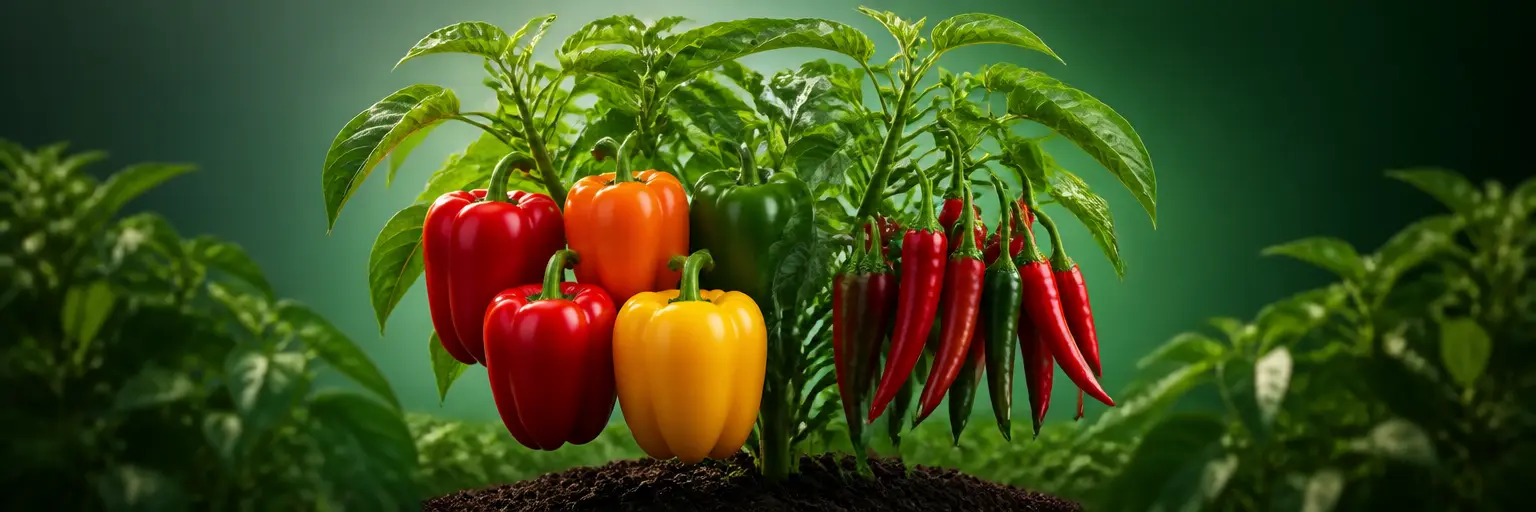
Discover how to grow vibrant peppers at home 🌶️—from sweet bell peppers to fiery hot varieties. Explore organic planting tips, soil preparation, watering, sunlight, natural pest control, and harvesting guidance to enjoy a productive, sustainable vegetable garden. Grow flavorful peppers naturally and make every harvest from CultivateYourFood a success!
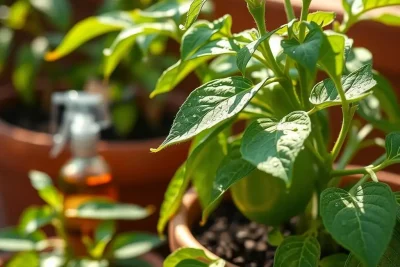
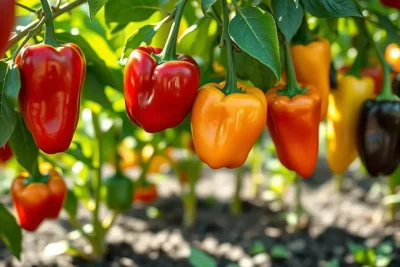
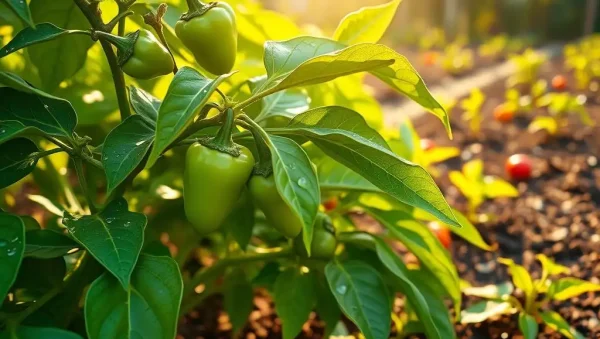
Discover how to grow peppers at home with CultivateYourFood’s practical guide to sweet peppers and hot pepper varieties. Whether you are cultivating bell peppers, jalapeños, cayenne, habaneros, or mild banana peppers, this subcategory provides reliable advice for planning, planting, feeding, watering, harvesting, and preserving a productive pepper garden. Learn sustainable and organic techniques that help gardeners grow healthy pepper plants in containers, raised beds, greenhouses, and outdoor vegetable gardens.
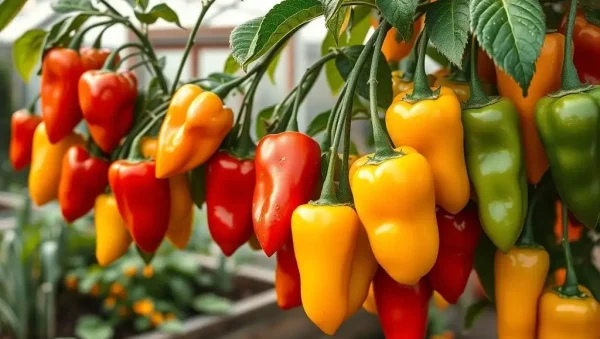
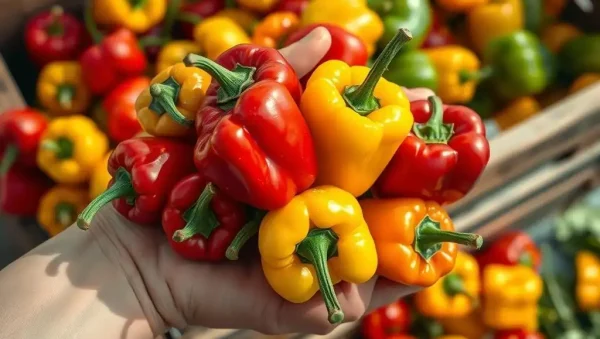
Explore the differences between sweet peppers and hot peppers, including bell peppers, banana peppers, poblano peppers, jalapeños, serrano peppers, cayenne peppers, and habaneros. You can learn how pepper flavor, heat level, fruit size, plant growth habit, days to maturity, and climate suitability influence your variety selection.
Our growing resources help you choose pepper seeds and seedlings suited to your garden conditions. Consider your available sunlight, growing season, container size, and culinary preferences when selecting varieties for fresh eating, cooking, drying, pickling, or homemade hot sauce.
Learn how to start pepper seeds indoors and give young plants the warm, bright conditions they need for strong development. Pepper seeds generally germinate best in consistently warm soil, while grow lights, sterile seed-starting mix, and careful moisture control can help prevent weak or leggy seedlings.
Find guidance on transplanting pepper seedlings into the garden after the danger of frost has passed. Hardening off plants gradually acclimates them to outdoor sunlight, wind, and temperature changes, reducing transplant shock and supporting healthy root growth.
Peppers are excellent crops for small gardens, patios, balconies, and raised beds. Discover how to grow peppers in containers by choosing pots with proper drainage, using nutrient-rich organic potting soil, and providing enough space for the roots to expand.
Raised beds can offer warmer soil, improved drainage, and easier access for maintenance. Learn how to position pepper plants for maximum sunlight, combine them with compatible companion plants, and use mulch to conserve moisture and reduce weed competition.
Consistent care is essential for vigorous pepper plants and abundant fruit. Learn how to water peppers deeply and regularly while avoiding waterlogged soil, which can contribute to root problems. Mulching around the base helps maintain even soil moisture and protects roots from temperature fluctuations.
Discover sustainable ways to feed pepper plants with compost, aged manure, organic fertilizers, and natural soil amendments. Balanced nutrition supports leafy growth, flowering, fruit development, and strong plants without relying on excessive synthetic inputs.
Identify common pepper garden pests such as aphids, flea beetles, cutworms, spider mites, and whiteflies. Learn how to use organic pest control methods, including handpicking, insect netting, beneficial insects, companion planting, and gentle sprays when appropriate.
You can also find strategies for reducing common pepper diseases, including blossom-end rot, bacterial leaf spot, fungal issues, and damping-off. Good air circulation, clean tools, crop rotation, proper watering, and healthy soil are important parts of an integrated organic pepper care plan.
Pepper plants need suitable temperatures, sunlight, water, and nutrients to produce flowers and set fruit. Learn how heat, cold nights, inconsistent watering, and excessive nitrogen can affect flowering and pepper production.
Most peppers can pollinate without much assistance, but gently shaking flowering plants or attracting pollinators can improve fruit set. Discover how to support productive plants while avoiding unnecessary disturbance to flowers and developing peppers.
Some pepper varieties grow compactly, while others become tall or heavy with fruit. Learn when pruning may be helpful and how to remove damaged growth without stressing the plant. In many gardens, careful pruning is optional, but good spacing and sunlight are essential.
Stakes, cages, and plant supports can prevent branches from bending or breaking under the weight of peppers. Early support is often easier than trying to secure a mature plant after its branches have become crowded or fragile.
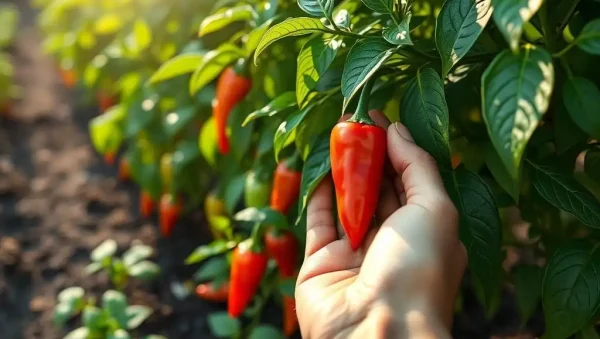
Learn how to harvest sweet and hot peppers at the right stage for the best flavor, texture, and heat. Green bell peppers can be picked before full maturity, while allowing many peppers to change color often produces sweeter, more complex flavors.
Use clean scissors or pruners to cut peppers from the plant rather than pulling them away. Regular harvesting can encourage continued production, and careful handling helps prevent bruising and damage that may shorten storage life.
Make the most of your harvest with practical preservation ideas for fresh peppers. Learn about freezing, pickling, fermenting, drying, roasting, and storing peppers for later use. Sweet peppers are excellent in sauces, salads, soups, and stir-fries, while hot peppers can add flavor and heat to salsas and seasonings.
When handling hot pepper varieties, use gloves and avoid touching your eyes or face. Discover ways to make homemade chili powder, dried pepper flakes, fermented hot sauce, and preserved peppers while maintaining food safety and quality.
Peppers generally need six to eight hours of direct sunlight each day for strong growth and good fruit production. Choose a warm, sheltered location with well-draining soil and protection from strong winds whenever possible.
Plant pepper seedlings outdoors after the danger of frost has passed and the soil has warmed. Peppers are warm-season vegetables and may stop growing or suffer damage in cold conditions. Harden seedlings gradually before transplanting them into the garden.
Poor fruit set may result from extreme temperatures, irregular watering, inadequate sunlight, excessive nitrogen, or stress after transplanting. Keep soil moisture consistent, provide adequate light, avoid overfertilizing, and gently shake flowering plants to encourage pollination.
Water peppers when the upper layer of soil begins to dry, providing a deep and even soaking rather than frequent shallow watering. The exact schedule depends on weather, soil type, plant size, and whether peppers are grown in containers. Consistent moisture is especially important during flowering and fruit development.
Yes, sweet and hot peppers can grow near each other in the same garden. However, cross-pollination affects the seeds rather than the current season’s fruit, so harvested peppers will retain the characteristics of their plant. If you save seeds, separate varieties or use other methods to reduce accidental cross-pollination.