
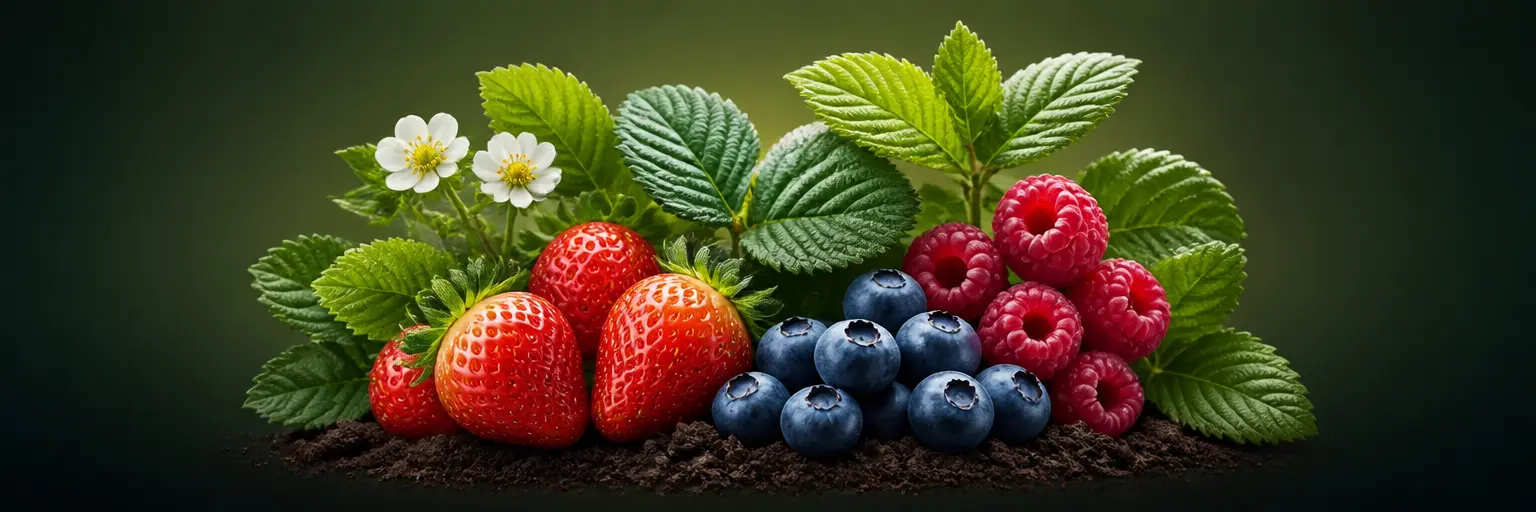
The Ultimate Guide to Planting Strawberries: From Bare Roots to Bountiful Harvests
Discover the joy of growing berries at home 🍓🫐 with practical, organic gardening guidance for thriving plants and delicious harvests. Learn how to choose the best varieties, prepare healthy soil, manage sunlight and watering, prevent pests naturally, and enjoy fresh strawberries, blueberries, and raspberries from your own garden. 🌱
8 articles
The Art of Growing Raspberries: A Comprehensive Guide for Home Gardeners
The Secret to a Bountiful Blueberry Harvest: Pollination Tips
Planting Raspberry Canes: Spacing, Depth, and Support Systems
How to Protect Blueberries from Frost Damage: Early Spring Precautions
Propagating Raspberries: Simple Ways to Grow More Plants
How to Grow Sweet Strawberries in Your Backyard: A Beginner's Guide
The Secret to Sweet Strawberries: Soil pH and Nutrient Balance
🍓 Growing Berries: Strawberries, Blueberries & Raspberries
Welcome to the Growing Berries section of CultivateYourFood, your practical resource for cultivating strawberries, blueberries, and raspberries at home. Although berries are technically fruits, they are a valuable part of productive vegetable gardens, edible landscapes, container gardens, and backyard food-growing systems. Discover sustainable, organic methods for choosing berry plants, preparing soil, planting, watering, pruning, protecting crops, and harvesting fresh fruit.
🌱 Start a Productive Home Berry Garden
Learn how to plan a successful berry garden in raised beds, garden borders, containers, patios, and small urban spaces. Our guides explain how to select healthy plants, choose suitable varieties, understand spacing requirements, and provide the sunlight, drainage, and air circulation berries need for vigorous growth.
Whether you are growing strawberries for an edible ground cover, blueberries in acidic soil, or raspberries along a support system, you can expect practical advice for beginners and experienced gardeners. Good garden planning helps prevent overcrowding, disease, poor pollination, and disappointing harvests.
🍓 Growing Sweet and Productive Strawberries
Explore organic strawberry growing techniques, including planting bare-root plants and runners, selecting June-bearing, everbearing, and day-neutral varieties, and creating ideal conditions for flowering and fruit production. Learn about strawberry soil preparation, mulching, irrigation, feeding, and companion planting.
Our strawberry guides also cover common challenges such as gray mold, slugs, birds, weak growth, and small fruit. Discover how straw mulch, clean watering practices, regular harvesting, and natural pest control can help you enjoy flavorful strawberries throughout the growing season.
🫐 Grow Healthy Blueberries at Home
Blueberries require different conditions from many common garden crops, especially an acidic growing medium with a low pH. Learn how to grow blueberries in garden beds, pots, and containers using ericaceous compost, pine bark, organic mulch, and appropriate fertilizers. You will also find guidance on sunlight, watering, pollination, and winter protection.
Detailed blueberry-growing resources explain how to improve fruit set, protect berries from birds, manage nutrient deficiencies, and prune mature bushes. Testing soil pH before planting is one of the most important steps for healthy blueberry plants and reliable harvests.
❤️ Cultivate Raspberries with Organic Methods
Find out how to grow raspberries in home gardens using sturdy supports, fertile soil, consistent moisture, and organic gardening techniques. Learn the differences between summer-fruiting and autumn-fruiting raspberries, including how each type grows, flowers, produces fruit, and should be pruned.
Our raspberry content addresses cane spacing, trellising, mulching, feeding, harvesting, and natural management of common pests and diseases. Regular pruning improves airflow, encourages new fruiting canes, and makes raspberry harvesting easier.
🌿 Organic Soil Preparation and Sustainable Feeding
Healthy soil is the foundation of productive berry plants. Learn how to improve garden soil with mature compost, leaf mold, well-rotted organic matter, and natural soil amendments while avoiding unnecessary chemicals. Guides cover soil structure, drainage, fertility, pH requirements, and nutrient management for different berry crops.
Discover sustainable ways to feed strawberries, blueberries, and raspberries throughout the season. Compost-based gardening, organic mulch, rainwater collection, and careful fertilizer use support healthy plants while protecting beneficial soil life and reducing waste.
💧 Watering, Mulching, and Berry Plant Care
Berry plants need consistent care during establishment, flowering, fruit development, and hot weather. Learn how to water deeply and efficiently, recognize signs of drought stress or overwatering, and use drip irrigation or soaker hoses to keep foliage dry and reduce disease risk.
Mulching helps conserve moisture, suppress weeds, regulate soil temperature, and protect developing fruit. Our practical advice explains when to apply mulch, which materials work best for each crop, and how to maintain a clean growing area. Consistent moisture is especially important while berries are flowering and ripening.
🐞 Natural Pest and Disease Control
Protect your berry garden with integrated pest management and organic gardening strategies. Learn how to identify aphids, spider mites, raspberry beetles, slugs, birds, fungal diseases, and other common problems before they affect the harvest.
Instead of relying on harsh pesticides, discover preventive techniques such as crop hygiene, pruning, insect netting, companion planting, beneficial insects, resistant varieties, and proper plant spacing. Early identification and good growing conditions are often the most effective forms of natural pest control.
✂️ Pruning, Training, and Seasonal Maintenance
Pruning helps berry plants stay productive, healthy, and manageable. Learn when and how to remove old strawberry foliage, prune blueberry bushes, thin raspberry canes, and train plants against trellises or supports. Clear instructions make seasonal maintenance easier for gardeners of every skill level.
You can also find seasonal checklists for preparing berry plants in spring, protecting them during summer heat, cleaning beds after harvest, and preparing perennial bushes for winter. Correct pruning encourages new growth, improves sunlight penetration, and supports larger fruit crops.
🧺 Harvest, Store, and Enjoy Fresh Berries
Learn how to recognize peak ripeness and harvest strawberries, blueberries, and raspberries without damaging the plants. Berry-picking guides explain the best time of day to harvest, how frequently to check plants, and how to handle delicate fruit for maximum freshness.
Discover simple methods for refrigerating, freezing, drying, preserving, and sharing your homegrown berries. Harvesting ripe fruit regularly encourages continued production and helps reduce losses from birds, insects, and overripe berries.
❓ Frequently Asked Questions About Growing Berries
🍓 Can strawberries, blueberries, and raspberries grow in the same garden?
Yes, they can grow in the same overall garden, but they do not require identical conditions. Strawberries generally prefer well-drained, slightly acidic soil, raspberries need fertile soil and support, and blueberries require significantly acidic growing conditions. Group plants according to their soil, sunlight, watering, and spacing needs.
☀️ How much sunlight do berry plants need?
Most strawberries, blueberries, and raspberries perform best with at least six to eight hours of direct sunlight each day. Full sun encourages flowering, pollination, sweeter fruit, and stronger growth. In very hot climates, afternoon shade can help reduce heat stress, especially for container-grown plants.
🌱 What is the best soil for growing berries organically?
Use fertile, well-drained soil enriched with mature compost and organic matter. Strawberries and raspberries prefer slightly acidic to neutral conditions, while blueberries need a much lower soil pH. Test the soil before planting and use crop-appropriate amendments rather than applying the same fertilizer to every berry plant.
🐦 How can I protect berries from birds and garden pests?
Bird netting, insect mesh, clean mulch, regular harvesting, and healthy plant spacing are effective non-toxic options. Remove fallen or damaged fruit, encourage beneficial insects, and inspect plants frequently. Natural pest control works best when combined with good sanitation, resistant varieties, and consistent garden care.
✂️ When should berry plants be pruned?
Pruning time depends on the crop and variety. Blueberries are commonly pruned during dormancy, while raspberry pruning varies between summer-fruiting and autumn-fruiting types. Strawberry maintenance often involves removing old leaves and unwanted runners after fruiting. Always identify the variety before pruning so productive canes are not removed.