
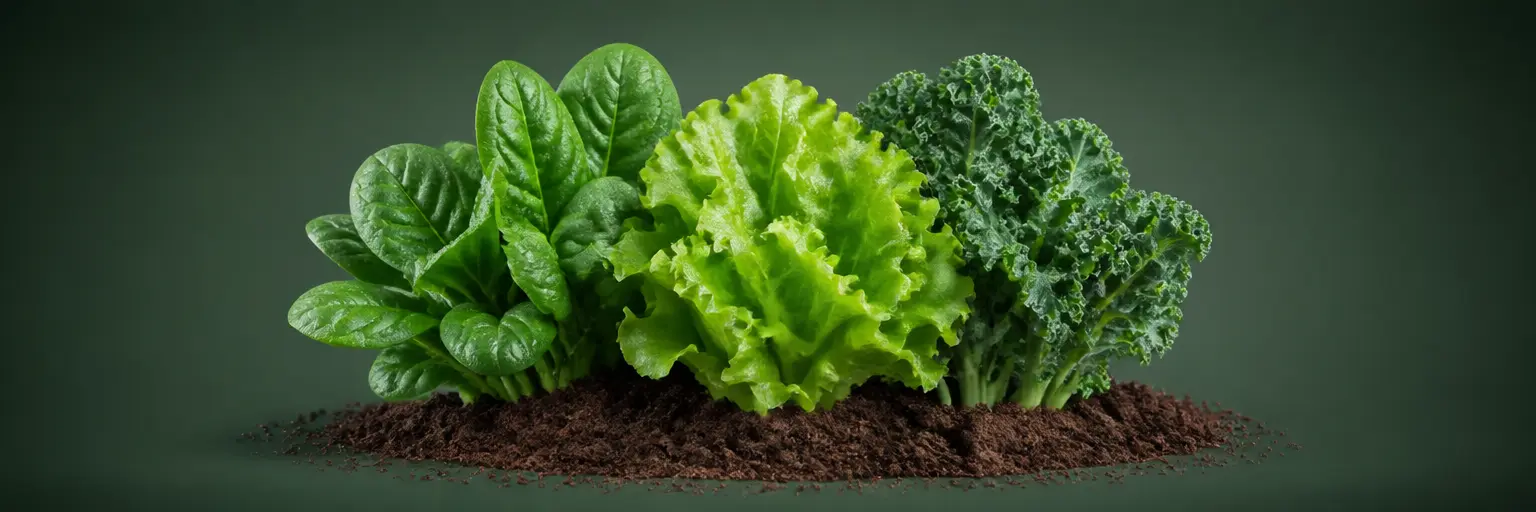
Sunlight Requirements for Leafy Greens: Maximizing Growth and Yield
Discover the joy of growing leafy greens at home with practical, organic guidance for spinach, lettuce, and kale 🌱🥬 Learn how to choose the best varieties, prepare healthy soil, manage watering, prevent pests naturally, and enjoy a continuous harvest of fresh, nutrient-rich greens. Whether you’re cultivating a backyard garden, raised bed, or container, CultivateYourFood helps you grow vibrant vegetables sustainably from seed to table.
8 articles
The Environmental Impact of Growing Your Own Leafy Greens: Sustainability
Harvesting Kale: The Best Way to Cut and Enjoy This Leafy Green
Understanding the Different Types of Leafy Greens: Spinach, Lettuce, and Kale
Choosing the Right Variety of Leafy Greens for Your Garden: Spinach, Lettuce, and Kale
The Best Tools for Growing Leafy Greens: Essential Equipment
The Secret to Growing Sweet and Crisp Lettuce: Tips and Tricks
How to Grow Spinach From Cuttings: Propagating New Plants
🥬 Growing Leafy Greens: Spinach, Lettuce, and Kale at Home
Welcome to the Growing Leafy Greens subcategory at CultivateYourFood, your practical resource for producing fresh, nutritious spinach, lettuce, and kale in a home garden. Whether you are gardening in raised beds, containers, a balcony, or a small backyard plot, you will find sustainable and organic methods for planning, planting, caring for, and harvesting leafy vegetables. Explore reliable guidance on soil preparation, seed starting, watering, sunlight, composting, succession planting, pest control, and harvesting tender greens for flavorful meals.
🌱 Growing Spinach for Fresh, Nutrient-Rich Harvests
Learn how to grow spinach successfully from seed, including choosing suitable varieties, preparing fertile soil, and providing the cool temperatures spinach prefers. Our guidance covers spinach planting times, seed spacing, germination, moisture management, and natural fertilization with mature compost and organic soil amendments.
Readers can also discover how to extend the spinach harvest through succession sowing, partial shade, and regular leaf picking. Find practical solutions for common spinach problems, including bolting, yellow leaves, slow growth, aphids, and fungal diseases, while supporting healthy soil and environmentally responsible vegetable gardening.
🥗 Growing Lettuce in Gardens and Containers
Discover how to grow lettuce for crisp heads, colorful leaves, and continuous cut-and-come-again harvests. This section explains how to select loose-leaf, romaine, butterhead, and head lettuce varieties, with advice on lettuce seed starting, direct sowing, spacing, light requirements, soil drainage, and consistent watering.
You will also learn how to keep lettuce productive during changing weather by using shade cloth, mulch, succession planting, and container gardening techniques. Helpful information on preventing bitter lettuce, managing slugs and snails, and harvesting leaves at the right stage makes it easier to enjoy fresh, organic salad greens throughout the growing season.
🥬 Growing Kale for Long-Lasting Green Harvests
Find step-by-step advice for growing kale in backyard gardens, raised beds, and pots. Learn about kale varieties, planting schedules, seedling care, sunlight, rich soil, compost application, and watering practices that encourage vigorous leaves. Kale is a hardy crop, and the right approach can provide nutritious homegrown greens across multiple seasons.
This subcategory also explores harvesting kale leaves without damaging the plant, protecting crops from cabbage worms and other pests, and using organic control methods. Discover how to identify yellowing leaves, holes, stunted growth, and bolting, along with sustainable strategies for maintaining productive kale plants.
☀️ Choosing Soil, Light, and Water for Leafy Greens
Healthy leafy greens begin with well-prepared growing conditions. Learn how to create loose, fertile soil with compost, maintain good drainage, and test soil fertility before planting. Spinach, lettuce, and kale generally perform best with regular moisture, adequate airflow, and sufficient sunlight, although some varieties benefit from afternoon shade in warm climates.
Our resources explain how to water leafy vegetables deeply and consistently without creating soggy conditions. You can also learn about mulching, container soil mixes, organic fertilizers, and simple ways to improve garden productivity while conserving water and protecting beneficial soil life.
🐞 Organic Pest Control for Spinach, Lettuce, and Kale
Protect your leafy greens with practical, natural pest management techniques. Learn how to identify aphids, flea beetles, cabbage worms, slugs, snails, and leaf miners, as well as recognize early signs of plant stress. Recommended methods may include hand-picking, physical barriers, insect netting, crop rotation, companion planting, and encouraging beneficial insects.
Rather than relying on harsh chemicals, CultivateYourFood focuses on organic pest control and integrated garden care. You will find prevention strategies that support pollinators, improve plant health, and reduce recurring pest problems while keeping harvested greens suitable for fresh, wholesome meals.
🌿 Sustainable Harvesting and Succession Planting
Make the most of limited garden space with succession planting, intercropping, and repeat sowing. Learn how to stagger spinach, lettuce, and kale plantings so that young crops replace older ones and your garden provides a steady supply of fresh leaves. These techniques are especially useful for container gardens, small vegetable plots, and beginner gardens.
Discover the best time to harvest leafy greens for flavor, tenderness, and continued production. Guidance includes picking outer leaves, harvesting baby greens, protecting the growing point, washing produce, and storing vegetables properly. With thoughtful planning, homegrown leafy greens can become a dependable part of your sustainable food garden.
❓ Frequently Asked Questions About Growing Leafy Greens
🌱 What is the easiest leafy green to grow at home?
Lettuce is often one of the easiest leafy greens for beginners because it grows quickly, performs well in containers, and can be harvested as baby leaves. Kale is also forgiving and resilient, while spinach grows best when temperatures remain cool.
☀️ How much sunlight do spinach, lettuce, and kale need?
Most leafy greens grow well with approximately four to six hours of sunlight daily. Lettuce and spinach may appreciate afternoon shade in hot weather, while kale can tolerate more sun when the soil remains evenly moist.
💧 How often should leafy greens be watered?
Water when the top layer of soil begins to dry, aiming to keep the soil consistently moist but not waterlogged. Morning watering is generally best because it reduces evaporation and allows foliage to dry, which can help limit fungal disease.
🐛 What are common pests that attack leafy greens?
Common pests include aphids, flea beetles, cabbage worms, slugs, snails, and leaf miners. Inspect plants regularly and use organic methods such as hand-picking, row covers, insect netting, mulch, and beneficial-insect habitat to manage infestations.
✂️ When should I harvest spinach, lettuce, and kale?
Harvest spinach and lettuce leaves when they are young and tender, or allow plants to mature according to the variety. Pick kale’s outer leaves once they reach a useful size, leaving the central growing point intact so the plant can continue producing.