
How to Grow Onions in Hot Climates
Discover the essentials of growing alliums—including onions, garlic, and leeks—with practical guidance for thriving home gardens 🌱 Learn about organic soil preparation, planting times, watering, sunlight, pest control, and harvesting techniques to cultivate flavorful, nutrient-rich crops sustainably. Whether you’re a beginner or an experienced gardener, unlock reliable tips for successful vegetable gardening and enjoy a fresh, homegrown harvest 🧄🧅
5 articles
Growing Garlic in Containers: A Practical Guide
Different Varieties of Garlic to Grow at Home
How to Make Onion Powder at Home
The Role of Nitrogen in Growing Onions, Garlic, and Leeks
🌱 Growing Alliums: Onions, Garlic, and Leeks
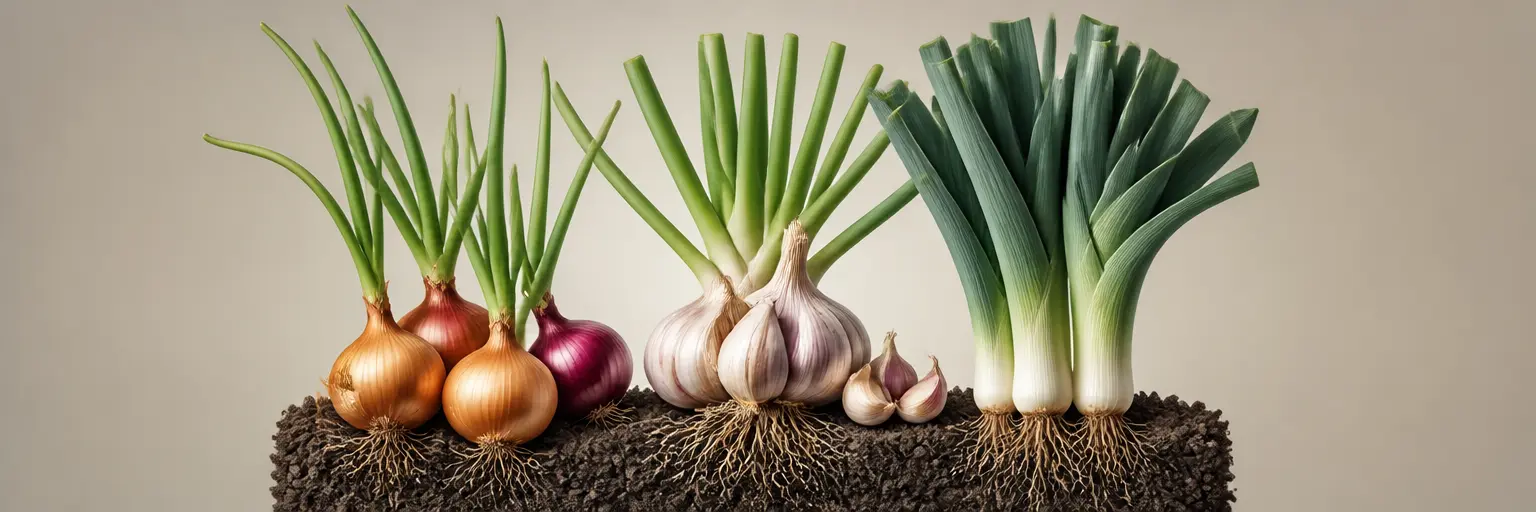
Welcome to the Growing Alliums subcategory at CultivateYourFood, your practical resource for growing onions, garlic, and leeks at home. These productive, flavorful vegetables are ideal for vegetable gardens, raised beds, containers, and small-space growing. Explore organic gardening advice on soil preparation, planting times, seed and bulb selection, watering, fertilizing, pest control, harvesting, curing, and storage. Our guides focus on sustainable gardening methods that help you grow healthy alliums while improving soil health and reducing reliance on synthetic chemicals.
🧅 Growing Onions for a Productive Home Garden
Discover how to grow onions from seeds, sets, and transplants, with guidance for short-day, intermediate-day, and long-day onion varieties. Learn how planting dates, daylight hours, spacing, soil drainage, and consistent moisture affect bulb formation. Our onion gardening guides explain how to prepare fertile soil, choose suitable cultivars, and create the best growing conditions for large, healthy bulbs.
You can also learn about organic onion care, including mulching, companion planting, natural fertilization, and common pest and disease prevention. Find practical advice for identifying onion thrips, fungal problems, bolting, and poor bulb development, along with tips for harvesting onions at the right time, curing them properly, and storing them for long-term use.
🧄 Growing Garlic Organically
Learn how to plant garlic cloves in fall or spring and how to select hardneck and softneck varieties for your climate. Our resources cover garlic seed preparation, planting depth, row spacing, soil fertility, winter protection, watering, and weed management. With the right techniques, even beginner gardeners can grow flavorful garlic in garden beds, raised beds, or containers.
Explore organic garlic growing methods, including compost enrichment, natural mulches, crop rotation, and sustainable pest control. Discover when to remove garlic scapes, how to recognize mature garlic, and how to harvest, cure, braid, and store garlic bulbs. These guides are designed to help you produce a reliable crop while protecting beneficial soil organisms and pollinators.
🥬 Growing Leeks from Seed to Harvest
Find out how to grow leeks with tender white stems and rich, mild flavor. Our leek-growing advice includes seed starting indoors, transplanting, spacing, soil mounding, blanching, and succession planting. Leeks prefer fertile, moisture-retentive soil, and our gardening guides explain how to provide steady nutrition and water without creating overly wet conditions.
Learn how to protect leeks from weeds, leek moths, onion flies, and other common garden challenges using safe, sustainable pest-control strategies. You will also find guidance on harvesting young or mature leeks, extending the growing season, overwintering hardy varieties, and storing freshly harvested leeks for soups, stews, and everyday cooking.
🌿 Organic Soil Preparation and Fertilizing
Healthy soil is the foundation of successful allium gardening. Learn how to improve garden soil with finished compost, aged manure, leaf mold, and other organic amendments. Our articles explain the importance of good drainage, balanced fertility, soil structure, and suitable pH for onions, garlic, and leeks. You will also discover how to test your soil before planting and avoid excessive nitrogen, which can encourage leafy growth instead of strong bulbs.
Explore sustainable fertilizing techniques such as compost top-dressing, organic granular fertilizers, and homemade soil-building practices. Detailed recommendations help you understand when alliums need nutrients and how to maintain fertility without overfeeding. These methods support long-term garden productivity and encourage healthy roots, bulbs, and stems.
🐞 Natural Pest and Disease Control for Alliums
Protect onions, garlic, and leeks with integrated pest management rather than relying on harsh chemical pesticides. Learn how to identify onion maggots, thrips, leek moths, nematodes, downy mildew, white rot, and other common allium problems. Our guides emphasize prevention through crop rotation, clean planting material, proper spacing, weed control, healthy soil, and good air circulation.
Discover practical organic solutions, including insect netting, beneficial insects, physical barriers, sanitation, resistant varieties, and carefully selected natural treatments. You will learn how to monitor plants regularly, recognize early warning signs, and respond before problems spread. Preventive garden care is one of the most effective ways to maintain productive allium crops.
🌾 Harvesting, Curing, and Storing Alliums
Knowing when and how to harvest is essential for flavor, quality, and storage life. Learn the signs of maturity for onions, garlic, and leeks, including yellowing leaves, falling tops, developed bulbs, and suitable stem size. Our harvesting guides explain how to lift bulbs carefully, avoid bruising, and choose the right conditions for gathering your crop.
Extend the usefulness of your homegrown vegetables with proper curing and storage. Find out how to cure onions and garlic in a dry, well-ventilated place, trim roots and tops safely, and store bulbs in mesh bags, baskets, or other breathable containers. You will also learn how to store leeks in cool, humid conditions and preserve surplus alliums through freezing, drying, or pickling.
❓ Frequently Asked Questions About Growing Alliums
1. When is the best time to plant onions, garlic, and leeks?
Planting time depends on the crop and your local climate. Garlic is commonly planted in fall for larger bulbs, although some varieties can be planted in early spring. Onions may be started from seed, sets, or transplants in early spring, while leeks are often started indoors several weeks before the last frost and transplanted outdoors. Always choose varieties suited to your growing region.
2. Can onions, garlic, and leeks be grown in containers?
Yes. Alliums grow well in containers provided they have adequate drainage, fertile potting soil, and enough depth for root development. Choose compact onion varieties, plant garlic cloves with appropriate spacing, and use deep containers for leeks. Place containers where plants receive several hours of direct sunlight and keep the growing medium evenly moist.
3. How often should alliums be watered?
Water onions, garlic, and leeks when the top layer of soil begins to dry, providing consistent moisture during active growth and bulb formation. Avoid waterlogged soil, which can cause root diseases and bulb rot. As onions and garlic approach maturity, reduce watering to help bulbs cure and develop protective outer layers.
4. Why are my onion or garlic bulbs small?
Small bulbs may result from planting the wrong variety for your daylight conditions, overcrowding, poor soil fertility, inadequate sunlight, weeds, drought, or planting too late. Provide full sun, well-drained fertile soil, correct spacing, regular moisture, and a variety adapted to your region. Avoid excessive nitrogen, which can produce leaves without encouraging bulb growth.
5. How can I store harvested onions and garlic?
Cure onions and garlic in a dry, shaded, well-ventilated location until the outer skins are papery and the necks are fully dry. Remove loose soil without washing the bulbs, trim roots and tops, and store them in a cool, dry place with good airflow. Inspect stored crops regularly and remove any soft, damaged, or moldy bulbs immediately.