
Potting Mix for AcidLoving Plants: Choosing the Right Blend for Container Gardens
Choose the right potting mix to help every container-grown plant thrive 🌱 From vegetables and herbs to flowers and indoor plants, discover how balanced drainage, moisture retention, nutrients, and organic ingredients support healthier roots and stronger growth. Explore sustainable container gardening tips from CultivateYourFood and create the ideal growing environment for productive, thriving plants.
4 articles
Choosing the Right Potting Mix for Succulents: A Guide for Container Gardens
Secrets of Successful Container Gardening: The Importance of Potting Mix
Potting Mix for Herbs: A Detailed Guide to Growing Flavorful Plants in Containers
🌱 Choosing the Right Potting Mix for Specific Plants
Choosing the right potting mix is one of the most important steps in successful container gardening. At CultivateYourFood, we help home gardeners select sustainable, organic-friendly growing media for fruits, vegetables, herbs, flowers, and indoor plants. The ideal potting soil provides the correct balance of drainage, moisture retention, aeration, nutrients, and pH so roots can grow strongly in pots, raised containers, window boxes, and patio planters.
🥕 Potting Mix for Container Vegetables
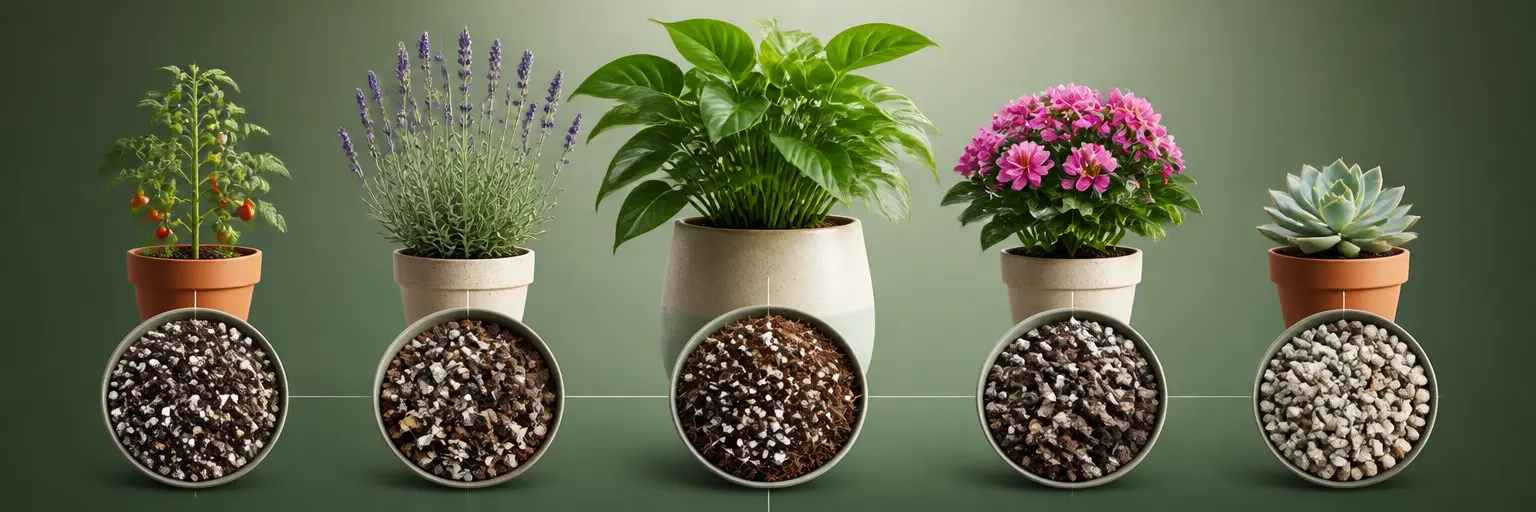
Vegetables grown in containers need a lightweight, fertile, and well-draining potting mix. Crops such as tomatoes, peppers, eggplants, cucumbers, lettuce, spinach, and beans perform best in a medium that holds moisture without becoming waterlogged. Look for a high-quality mix containing compost, coco coir or peat-free fibers, perlite, vermiculite, and organic nutrients.
For heavy-feeding vegetables, choose a potting soil enriched with mature compost or organic fertilizer. Tomatoes and peppers benefit from consistent moisture and excellent drainage, while leafy greens prefer a moisture-retentive mix that does not dry out too quickly. Avoid using garden soil alone because it can become compacted and restrict roots in containers.
🌿 Best Potting Mix for Culinary Herbs
Herbs such as basil, parsley, cilantro, chives, and mint generally grow well in a loose, nutrient-rich potting mix. A balanced herb container mix should retain enough moisture for steady growth while allowing excess water to drain freely. Organic compost can provide gentle nutrition, while perlite or coarse sand improves airflow around the roots.
Mediterranean herbs, including rosemary, thyme, oregano, and sage, prefer a lighter and drier growing medium. Use a fast-draining potting mix with extra perlite, pumice, or coarse horticultural grit, and avoid excessive compost that may hold too much water. Matching the mix to each herb’s natural growing conditions can improve flavor, vigor, and harvest quality.
🍅 Potting Soil for Tomatoes and Peppers
Tomatoes and peppers are productive container crops, but they require a stable root environment. Choose a deep-container potting mix with good drainage, strong moisture retention, and a steady supply of organic nutrients. Compost, aged bark, coco coir, and perlite are useful ingredients for creating a balanced mix that supports healthy root development.
Because these plants are heavy feeders, refresh nutrients throughout the growing season with compost tea, organic liquid fertilizer, or a slow-release natural fertilizer. Do not use dense soil that stays saturated after watering, as poor drainage can encourage root rot, fungal problems, and stunted growth.
🌸 Potting Mix for Flowers and Pollinator Plants
Flowering plants grown in containers need a fertile yet airy medium that supports both foliage and blooms. Annual flowers, marigolds, nasturtiums, calendula, and pollinator-friendly plants usually perform well in a general-purpose organic potting mix containing compost and moisture-balancing materials.
For long-lasting blooms, select a mix with moderate fertility rather than excessive nitrogen, which can produce lush leaves with fewer flowers. Adding perlite or pumice helps prevent compacted roots, while regular feeding with an organic bloom fertilizer can support continuous flowering. Healthy container flowers also provide valuable nectar and habitat for beneficial insects.
🌵 Potting Mix for Succulents and Drought-Tolerant Plants
Succulents, cacti, and other drought-tolerant plants require a specialized potting mix that drains quickly. Standard potting soil often holds too much moisture, so combine a small amount of organic potting soil with materials such as pumice, perlite, lava rock, or coarse horticultural grit.
The goal is to create a porous growing medium that dries between waterings. Choose containers with drainage holes and avoid placing them in standing water. Fast drainage is more important than high moisture retention for succulents because constantly wet roots can quickly lead to rot.
🫐 Potting Mix for Berries and Fruit Plants
Container-grown strawberries, blueberries, dwarf citrus, and other fruiting plants need a potting mix tailored to their root systems and pH preferences. Strawberries typically prefer a fertile, well-draining mix with organic matter, while blueberries require an acidic medium made with materials such as pine bark, coco coir, and an acid-loving plant amendment.
Dwarf citrus trees need a sturdy but well-aerated mix that drains efficiently while retaining enough moisture for active growth. Check the preferred soil pH before planting, and use a container large enough to support the plant’s mature root system. Regular organic feeding and careful watering can improve flowering and fruit production.
🪴 Potting Mix for Indoor Plants and Seedlings
Indoor plants need a clean, lightweight potting medium that supports root aeration and manages moisture in lower-light conditions. A general indoor potting mix can include coco coir, compost, fine bark, perlite, or vermiculite. Avoid heavy outdoor garden soil, which may contain pests, weed seeds, and disease organisms.
Seedlings require a finer-textured, low-salt growing medium that allows delicate roots to develop easily. Use a sterile seed-starting mix or make one with coco coir, vermiculite, and finely screened compost. Seed-starting soil should be light and gently fertile, because excessive nutrients can damage young roots.
♻️ Sustainable and Organic Potting Mix Ingredients
Gardeners seeking environmentally responsible options can choose peat-free and organically sourced ingredients. Coco coir, composted bark, leaf mold, homemade compost, rice hulls, perlite, pumice, and vermiculite can all contribute to a productive container mix. Whenever possible, select products made from renewable, recycled, or locally available materials.
Homemade potting mix recipes allow you to control ingredients and reduce packaging waste. Always use fully mature compost and avoid contaminated materials, fresh manure, or soil collected from areas with pests or chemical residues. Sustainable potting soil should support plant health while protecting soil biology and reducing unnecessary environmental impact.
❓ Frequently Asked Questions About Potting Mix
What is the best potting mix for container vegetables?
The best potting mix for container vegetables is lightweight, fertile, moisture-retentive, and well-draining. A quality organic mix containing compost, coco coir, perlite, and natural fertilizer works well for tomatoes, peppers, leafy greens, beans, and other edible crops.
Can I use garden soil in containers?
Garden soil is usually too dense for containers and can limit drainage, root growth, and aeration. It may also introduce weed seeds, pests, and diseases. Use a purpose-made potting mix or blend a small amount of clean garden soil with compost and aeration materials.
How often should potting mix be replaced?
Replace or refresh potting mix when it becomes compacted, drains poorly, develops a stale odor, or no longer supports healthy growth. Annual vegetables often need fresh mix each season, while established plants can usually be top-dressed with compost and partially refreshed during repotting.
How do I improve drainage in potting soil?
Improve drainage by mixing in perlite, pumice, coarse bark, rice hulls, or horticultural grit. Use containers with drainage holes and never allow pots to sit in stagnant water. Avoid adding a layer of gravel at the bottom, as this does not reliably improve drainage within the root zone.
What potting mix is best for organic container gardening?
Choose a peat-free, organic-friendly mix made with mature compost, coco coir, composted bark, perlite, pumice, or other responsibly sourced ingredients. Look for products with clear ingredient labels, and support plant nutrition with compost and approved organic fertilizers from trusted sources.