
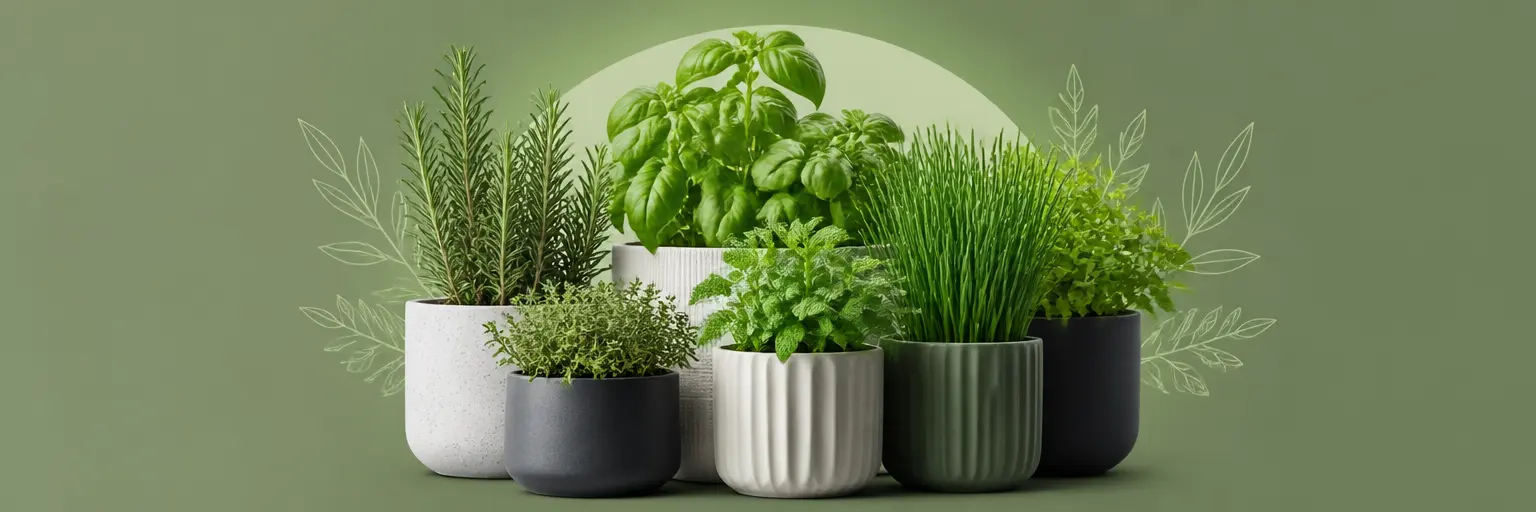
The Best Herbs to Grow in Containers for Beginners
Discover the joy of growing herbs in containers 🌿—a simple, sustainable way to enjoy fresh flavor even in small spaces. Learn how to choose pots, prepare organic soil, provide proper sunlight, and cultivate popular herbs like basil, mint, parsley, rosemary, and thyme on patios, balconies, windowsills, or kitchen gardens. Explore practical tips for watering, feeding, pruning, harvesting, companion planting, and natural pest control to create a thriving container herb garden at home. 🪴
7 articles
Pruning Container Herbs: Encouraging Bushier Growth and Higher Yields
Growing Mint in Containers: Tips and Tricks for Controlling This Vigorous Herb
Container Herbs for Culinary Use: Enhancing Your Cooking with Fresh Flavors
Container Herbs for Beginners: Simple and EasytoGrow Options
Harvesting Herbs from Containers: Timing and Techniques for Peak Flavor
Choosing the Right Containers for Your Herbs: Materials, Size, and Drainage
🌿 Growing Herbs in Containers: Fresh, Sustainable Flavor at Home
Welcome to the Growing Herbs in Containers subcategory at CultivateYourFood, your practical resource for cultivating fresh herbs in small spaces. Whether you have a balcony, patio, windowsill, rooftop, or compact backyard, container herb gardening makes it easy to grow flavorful, nutritious plants using organic and sustainable gardening methods. Explore expert guidance on choosing containers, preparing soil, planting herbs, watering, feeding, pruning, harvesting, overwintering, and managing pests naturally.
🪴 Choosing the Best Containers for Herb Gardening
Learn how to select the right pots, planters, window boxes, and vertical gardening systems for growing herbs in containers. Discover why container size, drainage holes, material, depth, and placement matter for healthy roots and productive plants such as basil, parsley, cilantro, thyme, rosemary, mint, oregano, and chives.
Our container gardening advice also explains how to reuse food-safe containers and choose sustainable planters without compromising plant health. You will find practical tips for matching each herb to the appropriate pot, preventing waterlogged soil, and creating an attractive edible herb garden in limited spaces.
🌱 Planting Herbs in Pots and Planters
Discover how to plant herb seeds, seedlings, and cuttings successfully in containers. These guides cover the best planting times, seed-starting techniques, spacing requirements, transplanting, and companion planting for a productive home herb garden.
Readers can learn how to grow culinary herbs organically with quality potting mix, compost, and natural soil amendments. Step-by-step planting advice helps beginners avoid common mistakes while giving experienced gardeners ideas for combining herbs based on sunlight, watering needs, growth habits, and seasonal performance.
☀️ Light, Watering, and Feeding for Container Herbs
Growing herbs in pots requires careful attention to sunlight and moisture because containers dry out faster than garden beds. Learn how to identify herbs that prefer full sun, partial shade, or indoor light, and how to position containers for strong, healthy growth.
Explore sustainable watering methods, moisture-saving techniques, and organic fertilizing routines for container-grown herbs. Our content explains when to water, how to avoid root rot, and how compost tea, worm castings, and balanced organic fertilizers can provide nutrients without excessive chemicals.
✂️ Pruning, Harvesting, and Preserving Fresh Herbs
Find out how regular pruning encourages bushier plants and prevents herbs from becoming leggy or flowering too early. Detailed harvesting advice covers basil, mint, parsley, cilantro, rosemary, thyme, sage, and other popular herbs, helping you collect leaves at the best time for flavor and continued growth.
You will also learn practical ways to preserve homegrown herbs, including air-drying, freezing, making herb-infused oils, and storing fresh cuttings. Harvesting correctly allows container herbs to remain productive throughout the growing season while reducing food waste.
🐞 Organic Pest and Disease Control for Potted Herbs
Container herbs can still experience aphids, spider mites, fungus gnats, whiteflies, powdery mildew, and other common problems. Learn how to recognize early symptoms, inspect plants, improve air circulation, and correct watering or soil conditions before damage becomes severe.
CultivateYourFood focuses on natural pest control for herbs, including hand removal, beneficial insects, neem-based solutions, insecticidal soap, companion planting, and clean gardening practices. These methods help protect edible plants while supporting pollinators and avoiding unnecessary synthetic pesticides.
🌤️ Indoor, Balcony, and Year-Round Container Herb Gardens
Learn how to grow herbs indoors on a sunny windowsill or under grow lights, as well as outdoors on balconies, patios, and small porches. Our guides explain how to manage temperature, airflow, humidity, and light when creating a compact indoor herb garden.
Discover ways to extend the harvest through seasonal changes by moving containers, protecting roots from frost, taking cuttings, and bringing tender herbs indoors. With thoughtful planning, you can enjoy fresh organic herbs throughout much of the year, even without a traditional garden bed.
❓ Frequently Asked Questions About Growing Herbs in Containers
🌿 What herbs grow best in containers?
Basil, parsley, mint, chives, oregano, thyme, rosemary, sage, and cilantro are excellent choices for container gardening. Select herbs according to their mature size, sunlight requirements, and watering needs. Mint should usually be grown in its own pot because it spreads aggressively.
🪴 What size container is best for growing herbs?
Most small herbs grow well in containers that are at least 6 to 8 inches deep and wide. Larger herbs, including rosemary, sage, and mature basil, benefit from pots 10 to 14 inches wide. Always choose a container with drainage holes to prevent root rot.
☀️ How much sunlight do container herbs need?
Many culinary herbs require between 6 and 8 hours of direct sunlight each day. Mediterranean herbs such as rosemary, thyme, oregano, and sage prefer bright, sunny conditions, while parsley, mint, and cilantro can tolerate partial shade, especially during hot weather.
💧 How often should I water herbs grown in pots?
Water container herbs when the top inch of potting mix feels dry. Frequency depends on temperature, container material, plant size, and sunlight. Water deeply until excess moisture drains from the bottom, but avoid leaving pots sitting in water.
🌱 Can I grow herbs in containers organically?
Yes. Use organic potting mix, homemade compost, natural fertilizers, clean water, and non-toxic pest control methods. Choosing untreated seeds or organic seedlings and practicing proper pruning, crop rotation, sanitation, and companion planting can support a healthy and sustainable container herb garden.