
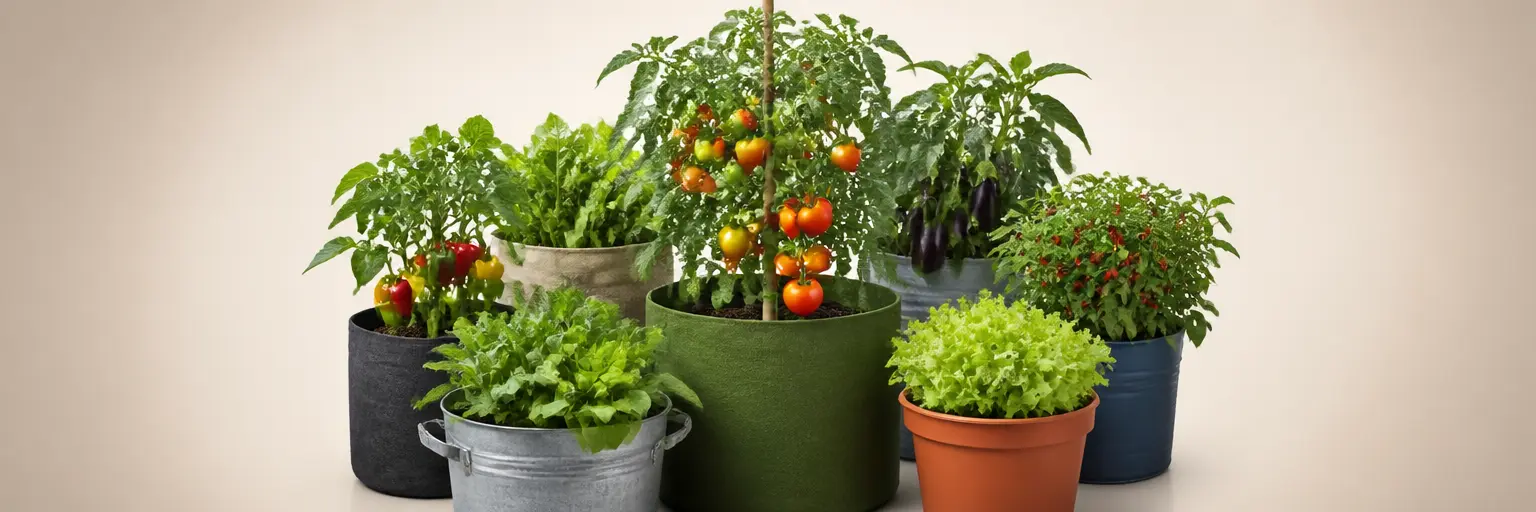
Best Container Vegetables for Small Spaces
Discover the joy of growing vegetables in containers 🥕🌱—a practical, sustainable way to enjoy fresh, organic produce in patios, balconies, windowsills, and small gardens. Learn how to choose the best pots, soil, and vegetable varieties, maximize sunlight and space, manage watering, and prevent pests naturally. Whether you’re growing tomatoes, peppers, lettuce, herbs, or root crops, cultivate a thriving edible garden at home with simple container gardening tips from CultivateYourFood.
8 articles
Container Vegetable Gardening for Balconies and Patios
Extending the Growing Season for Container Vegetables
Vertical Container Gardening for Vegetables: Maximizing Space
Using Raised Beds as Containers for Vegetables
Winterizing Container Vegetable Gardens: Tips and Tricks
How to Maximize Your Harvest in Container Gardens
Growing Potatoes in Containers: A Unique Method
🥕 Growing Vegetables in Containers: Fresh, Organic Food in Small Spaces
Growing vegetables in containers makes it possible to enjoy fresh, homegrown produce on balconies, patios, rooftops, windowsills, and small gardens. At CultivateYourFood, this subcategory provides practical, sustainable, and organic guidance for choosing containers, preparing healthy soil, planting vegetable seeds, managing sunlight and water, controlling pests naturally, and harvesting at the right time. Whether you are a beginner gardener or an experienced urban grower, you can discover reliable ways to create a productive container vegetable garden almost anywhere.
🌱 Choosing the Best Vegetables for Container Gardening
Learn which vegetables thrive in pots, grow bags, window boxes, and raised containers. Our guides cover compact vegetable varieties such as cherry tomatoes, lettuce, spinach, radishes, carrots, bush beans, peppers, cucumbers, peas, and dwarf eggplants. You will also find advice on selecting container-friendly cultivars that produce generous harvests without requiring a large garden bed.
Each article explains how plant size, root depth, growing season, and support requirements affect your choices. Discover how to match vegetables with suitable pot sizes and how to combine fast-growing crops with longer-season plants for a continuous supply of fresh, organic food.
🪴 Selecting Containers, Pots, and Grow Bags
The right container can improve drainage, root development, plant stability, and overall vegetable growth. Explore comparisons of plastic pots, terracotta planters, wooden boxes, fabric grow bags, recycled containers, and self-watering planters. You will learn how to choose safe, durable materials and how to provide sufficient drainage holes for healthy roots.
Our container gardening resources also explain how much space different vegetables need. Find practical recommendations for container depth, width, spacing, and placement, along with creative ideas for growing vegetables in small spaces, rented homes, balconies, and urban gardens.
🌿 Creating Healthy Organic Potting Soil
Successful container vegetable gardening begins with a lightweight, nutrient-rich growing medium. Learn how to make or select organic potting mix using compost, coco coir, peat-free materials, perlite, vermiculite, aged manure, and other sustainable ingredients. The right soil mix supports drainage while holding enough moisture and nutrients for strong vegetable plants.
You will also discover how to refresh potting soil between crops, improve soil fertility with compost, and avoid common problems such as compacted soil, poor drainage, and nutrient deficiencies. These methods help create a productive container garden without relying on unnecessary synthetic chemicals.
☀️ Sunlight, Watering, and Plant Placement
Vegetable plants need the correct balance of sunlight, moisture, airflow, and temperature. Our guides explain how to identify full-sun, partial-sun, and shade-tolerant vegetables, making it easier to position containers for the best results. Learn how to arrange pots on patios, balconies, and rooftops to maximize available light.
Discover efficient watering techniques for container-grown vegetables, including deep watering, moisture checks, drip irrigation, and self-watering systems. You will also learn how to prevent overwatering, underwatering, root rot, and heat stress while conserving water through sustainable gardening practices.
🌱 Starting Vegetable Seeds and Transplants
Find step-by-step advice for growing vegetables from seeds, seedlings, and nursery transplants. Learn when to sow common crops, how deeply to plant seeds, how to harden off young plants, and how to transplant without damaging delicate roots. These techniques are useful for both indoor seed starting and direct sowing in outdoor containers.
Our content also covers succession planting, seedling care, germination conditions, and seasonal planning. With the right timing, you can grow multiple crops in the same container throughout spring, summer, autumn, and mild winter seasons.
🍅 Growing Tomatoes, Peppers, and Other Fruiting Crops
Tomatoes, peppers, cucumbers, squash, and eggplants are popular choices for container gardens because they can produce abundant harvests in limited spaces. Explore guidance on choosing dwarf or determinate varieties, selecting large containers, installing supports, and providing consistent moisture and feeding.
Learn how to encourage flowering and fruit production through proper sunlight, pruning, pollination, fertilizing, and temperature management. Our organic methods help container gardeners enjoy flavorful produce while reducing waste and avoiding harmful gardening chemicals.
🥬 Growing Leafy Greens and Fast-Growing Vegetables
Lettuce, spinach, kale, arugula, mustard greens, Swiss chard, and Asian greens are excellent vegetables for pots and shallow planters. They grow quickly, tolerate cooler conditions, and can often be harvested repeatedly. Discover how to grow a continuous supply of leafy greens with succession sowing and cut-and-come-again harvesting.
You will also learn how to protect greens from heat, bolting, pests, and drying soil. Our practical tips make it easier to produce nutritious vegetables on balconies, windowsills, patios, and other compact growing areas.
🥕 Growing Root Vegetables in Containers
Root crops such as radishes, carrots, beets, turnips, and baby potatoes can flourish in containers when they receive loose, stone-free soil and adequate depth. Learn how to select short or round varieties that are best suited to pots, troughs, and grow bags.
Our guides explain planting depth, thinning, watering, harvesting, and troubleshooting misshapen roots. With careful preparation, even gardeners without in-ground soil can grow fresh, organic root vegetables at home.
🐞 Organic Pest Control and Disease Prevention
Container gardens can still experience aphids, caterpillars, whiteflies, spider mites, fungus gnats, fungal diseases, and other problems. Discover how to identify common vegetable garden pests and use organic pest control methods such as hand-picking, insect netting, companion planting, beneficial insects, neem-based products, and homemade sprays used responsibly.
Prevention is central to healthy gardening. Learn how proper spacing, airflow, clean containers, crop rotation, healthy soil, and careful watering can reduce disease pressure. These approaches support pollinators and beneficial wildlife while protecting your edible plants.
🌼 Companion Planting and Natural Pollination
Companion planting can help you use container space efficiently while attracting pollinators and beneficial insects. Explore combinations of vegetables, herbs, and flowers that share similar sunlight, watering, and soil needs. Marigolds, basil, nasturtiums, chives, and other flowering plants can add beauty and biodiversity to a container garden.
Learn how to improve pollination for tomatoes, cucumbers, peppers, squash, and other flowering crops. Our sustainable gardening advice includes attracting bees, protecting pollinators, and hand-pollinating plants when natural insect activity is limited.
🌾 Feeding, Composting, and Sustainable Container Gardening
Container vegetables depend on gardeners to replenish nutrients because frequent watering can wash minerals from the soil. Learn when and how to use organic compost, compost tea, worm castings, seaweed products, and natural fertilizers without overfeeding plants or harming soil life.
CultivateYourFood also explores sustainable practices such as reusing containers, collecting rainwater, making compost, reducing plastic waste, saving seeds, and recycling healthy plant material. These methods help you grow nutritious food while creating a more environmentally responsible home garden.
🧺 Harvesting and Enjoying Homegrown Vegetables
Harvesting at the correct stage improves flavor, texture, and continued plant production. Learn when to pick tomatoes, peppers, beans, cucumbers, leafy greens, herbs, radishes, and root crops. Our guides explain gentle harvesting techniques that protect plants and encourage new growth.
You will also find ideas for washing, storing, preserving, and using your container-grown produce. From fresh salads to roasted vegetables, soups, pickles, and homemade sauces, growing food in containers can provide a rewarding connection between gardening and healthy eating.
❓ Frequently Asked Questions About Growing Vegetables in Containers
🌿 What vegetables are easiest to grow in containers?
Some of the easiest container vegetables include lettuce, radishes, spinach, kale, bush beans, cherry tomatoes, peppers, and herbs. Choose compact varieties and match each plant with a container that provides enough depth, drainage, and sunlight.
🪴 How large should a container be for growing vegetables?
Container size depends on the crop. Shallow-rooted lettuce and radishes can grow in containers around 6 to 8 inches deep, while tomatoes, peppers, carrots, and cucumbers generally need 12 inches or more. Large fruiting plants may require 5 gallons or larger for strong root growth.
☀️ How much sunlight do container vegetables need?
Most fruiting vegetables need at least 6 to 8 hours of direct sunlight daily. Leafy greens and some herbs can tolerate partial shade. Observe your growing area throughout the day and move containers when possible to provide the best available light.
💧 How often should vegetables in containers be watered?
Watering frequency depends on temperature, wind, container material, plant size, and soil composition. Check the top inch of soil regularly and water deeply when it feels dry. Ensure excess water drains freely, since constantly wet soil can cause root rot.
♻️ Can I reuse potting soil for a new container garden?
Yes, potting soil can often be reused if it is healthy and free from serious pests or diseases. Refresh it with mature compost and organic amendments, remove old roots, and avoid planting the same crop family repeatedly in the same soil to reduce disease and nutrient problems.