
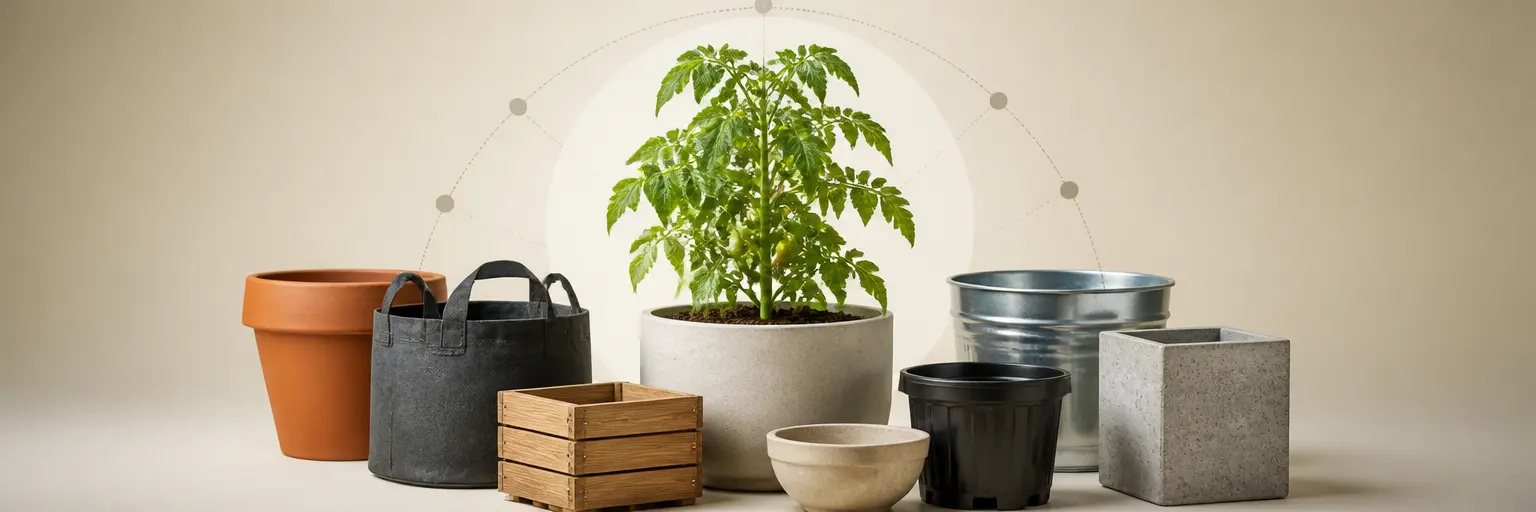
Citrus Sensations: Choosing Containers for Growing Lemon and Lime
Discover how choosing the right containers can transform your container gardening success 🌱. Learn which pots, planters, and grow bags best support healthy fruits, vegetables, and herbs based on size, drainage, material, and sustainability. Make smarter, organic-friendly choices for thriving plants, efficient watering, and a productive home garden.
7 articles
Container Gardening FAQs: Answering Your Most Common Questions
The Perfect Match: Pairing Container Styles with Plant Types
Deck Delights: Selecting the Right Containers for Your Deck
Hanging High: Choosing the Best Hanging Baskets for Your Plants
The Future of Container Gardening: Trends in Container Selection
The Container Garden Planner: Choosing Containers for Maximum Yield
🌱 Choosing the Right Containers for Successful Container Gardening
Growing fresh food at home starts with selecting the right containers for your plants. In this Choosing the Right Containers guide from CultivateYourFood, you will learn how to match pots, planters, grow bags, window boxes, and recycled containers with fruits, vegetables, and herbs. The correct container supports healthy roots, proper drainage, moisture control, and productive growth while helping you create a sustainable, organic container garden in small spaces.
🪴 Matching Container Size to Your Plants
Container size directly affects plant health and harvest potential. Compact herbs such as basil, thyme, chives, and parsley can grow well in smaller pots, while tomatoes, peppers, cucumbers, eggplants, and larger vegetables need deeper and wider containers for strong root development. Choosing a pot with enough capacity prevents root crowding and gives plants access to adequate moisture and nutrients.
When selecting containers, consider both the plant’s mature size and its root system. Leafy greens and radishes generally need less depth, whereas carrots, potatoes, beets, and fruiting crops benefit from deeper planters. This subcategory explains how to choose practical container dimensions for patio gardening, balcony gardens, indoor herb gardens, and raised container beds.
💧 Drainage, Watering, and Root Health
Excellent drainage is one of the most important features of any container garden. Pots should include drainage holes that allow excess water to escape, reducing the risk of waterlogged soil, root rot, fungal diseases, and poor plant growth. You will discover how to evaluate drainage in plastic pots, ceramic planters, fabric grow bags, wooden boxes, and repurposed food-safe containers.
The ideal container also helps balance moisture retention and airflow. Drainage holes, quality organic potting mix, and suitable container materials work together to keep roots healthy. Our guidance covers watering considerations for hot patios, windy balconies, covered porches, and indoor growing areas so you can maintain consistent moisture without overwatering.
♻️ Sustainable and Eco-Friendly Container Materials
CultivateYourFood emphasizes practical, sustainable gardening choices. Explore the benefits and limitations of terracotta, ceramic, plastic, metal, wood, fabric, biodegradable pots, and reclaimed containers. Each material affects temperature, durability, weight, moisture retention, and long-term environmental impact.
Learn how to reuse safe household items as planters while avoiding containers that may contain harmful chemicals or contaminants. Food-safe recycled containers, untreated wood, durable grow bags, and responsibly sourced planters can help reduce waste while supporting an organic home garden. You will also find advice for cleaning, preparing, and reusing containers between growing seasons.
☀️ Choosing Containers for Patios, Balconies, and Small Spaces
Limited space does not have to limit your harvest. The right containers make it possible to grow vegetables and herbs on balconies, patios, windowsills, rooftops, and small porches. Learn how to select lightweight planters, railing boxes, vertical gardening containers, stackable pots, and compact grow bags that fit your available growing area.
Container placement also matters. Dark-colored pots can become hot in direct sunlight, while lightweight containers may need protection from strong wind. This section helps you plan for sun exposure, accessibility, stability, and efficient use of space when creating a productive small-space vegetable garden.
🍅 Containers for Fruits, Vegetables, and Herbs
Different crops require different container features. Tomatoes may need deep, sturdy pots and support cages, while strawberries often thrive in hanging baskets or tiered planters. Herbs can grow in individual pots or combination herb containers, provided their watering and sunlight needs are compatible.
You will learn how to choose containers for popular edible plants, including lettuce, spinach, kale, peppers, beans, peas, cucumbers, onions, garlic, strawberries, and culinary herbs. Our recommendations focus on healthy root growth, easy harvesting, organic soil management, and reliable container garden yields.
🛒 Frequently Asked Questions About Choosing Garden Containers
❓ What is the best container for growing vegetables?
The best container depends on the crop, available space, and growing conditions. A sturdy pot with adequate depth, sufficient width, and drainage holes is suitable for most vegetables. Food-safe plastic, fabric grow bags, terracotta, and untreated wooden planters are common choices for home vegetable gardening.
❓ How large should a container be for tomato plants?
Most tomato plants perform best in a deep, wide container that holds approximately 5 gallons or more, depending on the variety. Compact tomatoes may grow in smaller pots, while indeterminate varieties need larger containers, strong support, and consistent watering for healthy growth.
❓ Do all plant containers need drainage holes?
Yes, drainage holes are strongly recommended for nearly all outdoor and indoor edible plant containers. They allow excess water to escape and help prevent root rot. If a decorative pot has no holes, use it as a cover pot with a separate planted container inside.
❓ Are plastic containers safe for growing food?
Many plastic containers are suitable for edible gardening when they are labeled food-safe and designed for repeated use. Avoid containers that previously held toxic chemicals, solvents, or unknown substances. Clean reused containers thoroughly and select durable materials that will not crack or degrade quickly in sunlight.
❓ Can I use recycled household items as plant containers?
Yes, recycled household items can become useful planters when they are clean, sturdy, and made from safe materials. Add drainage holes and confirm that the container is food-safe. Reusing appropriate items supports sustainable gardening, reduces waste, and makes container gardening more affordable.