
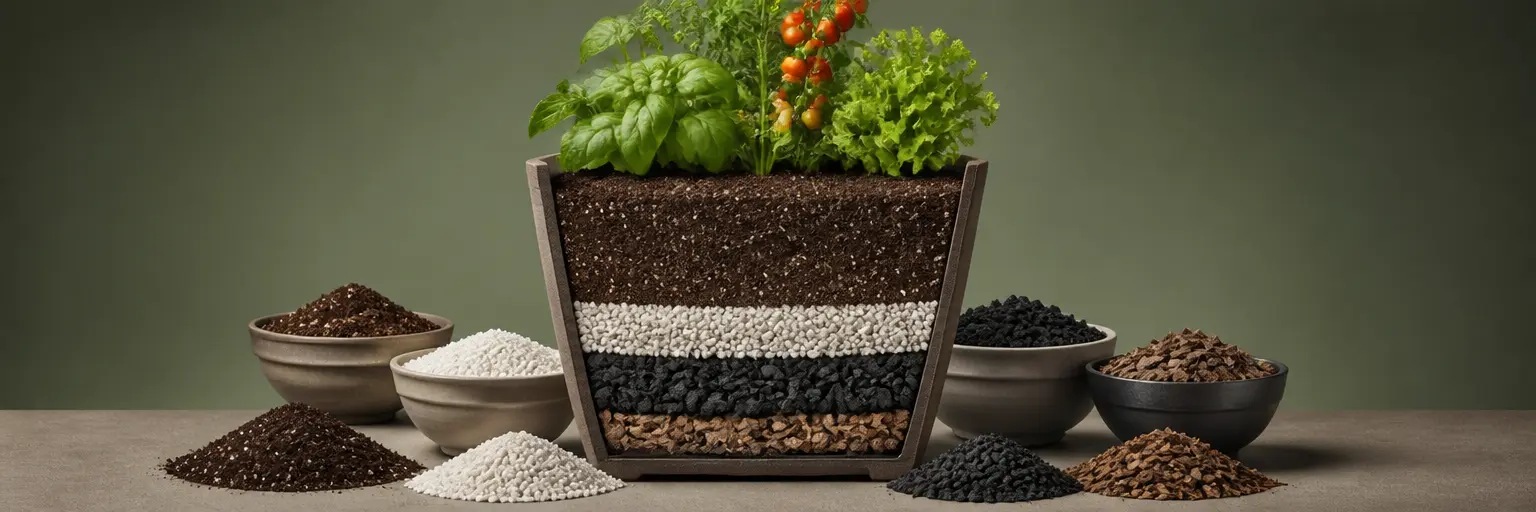
Comparing Soil Brands: Finding the Best Potting Mix for Your Needs
Discover the best soil mixes for container gardens to help your fruits, vegetables, and herbs thrive in limited space 🌱 From organic potting blends and nutrient-rich compost to well-draining mixes that support healthy roots, find practical guidance for choosing sustainable soil tailored to every container garden. Grow stronger plants, improve moisture control, and cultivate a more productive home harvest with CultivateYourFood 🌿
5 articles
The Importance of Drainage: Choosing the Right Soil for Container Plants
Aeration in Container Soil: Why it Matters and How to Improve It
Container Gardening Soil for Root Vegetables: Carrots, Radishes, and More
Growing Peppers in Containers: The Perfect Soil Mix for Heat and Flavor
🌱 Best Soil Mixes for Container Gardens
Discover the best soil mixes for container gardens with practical, organic guidance from CultivateYourFood. The right potting mix supports healthy roots, proper drainage, moisture retention, and reliable growth for vegetables, fruits, herbs, flowers, and edible container plants. Learn how to choose or make nutrient-rich, sustainable soil for pots, raised containers, grow bags, window boxes, and balcony gardens.
🪴 Choosing the Right Potting Mix for Containers
Container plants depend on a growing medium that is lighter and better aerated than ordinary garden soil. Explore how to select a high-quality potting mix made with ingredients such as coco coir, peat-free compost, aged compost, perlite, vermiculite, pine bark, and organic fertilizers. These materials help roots access oxygen while supporting balanced moisture and steady plant growth.
Learn how soil requirements vary between leafy greens, tomatoes, peppers, carrots, strawberries, basil, mint, and other container crops. Our guidance explains how to identify compacted, poorly draining, or nutrient-depleted mixes and how to choose a soil blend suited to your climate, container size, watering routine, and growing location.
🌿 Organic Soil Mixes for Vegetables, Fruits, and Herbs
Grow productive edible plants with organic container soil mixes designed to provide natural fertility without synthetic additives. Find advice on combining compost, worm castings, coconut coir, mineral amendments, and slow-release organic nutrients to create a healthy root environment for vegetables, fruiting crops, and culinary herbs.
Discover sustainable ways to improve potting soil throughout the growing season. Helpful recommendations cover compost top-dressing, organic liquid feeds, mulch, nutrient replenishment, and crop-specific adjustments. Whether you are growing lettuce on a balcony or tomatoes on a patio, the right mix can improve vigor, flavor, harvests, and plant resilience.
💧 Drainage, Moisture Retention, and Root Health
Successful container gardening requires a balance between drainage and water retention. Learn how perlite, pumice, coarse sand, bark, and coco coir influence air space, moisture levels, and root development. These insights can help prevent waterlogged soil, root rot, dry pockets, and inconsistent watering in containers.
Get practical tips for matching soil texture to pot materials, container depth, weather, and plant needs. You will also learn how to improve drainage without allowing soil to dry too quickly, helping container crops remain hydrated and healthy during warm weather or periods of irregular rainfall.
♻️ DIY Sustainable Potting Soil Recipes
Create affordable, eco-friendly growing media with simple DIY soil mix recipes using locally available and responsibly sourced ingredients. Explore balanced formulas for general containers, seed starting, herbs, vegetables, succulents, and moisture-loving plants. Each approach emphasizes healthy soil biology, renewable materials, and reduced reliance on wasteful packaged products.
Learn how to measure ingredients, blend batches evenly, store unused mix, and adjust recipes for different crops. CultivateYourFood also explains how homemade compost and worm castings can enrich container soil while supporting a more sustainable home food garden.
🌾 Compost, Worm Castings, and Natural Soil Amendments
Compost and worm castings are valuable additions to container gardening soil because they provide organic matter, beneficial microorganisms, and gentle nutrients. Learn how to use mature compost safely and how to recognize material that is ready for planting. Properly prepared amendments can improve soil structure, fertility, and moisture management.
Explore natural amendments such as aged manure, kelp meal, alfalfa meal, bone meal alternatives, rock minerals, and organic slow-release fertilizers. The guidance focuses on using amendments responsibly, avoiding nutrient excess, and building a fertile container growing medium that supports long-term plant health.
🧪 Soil Testing, pH, and Nutrient Management
Understand how soil pH and nutrient availability affect container-grown plants. Learn when a soil test is useful, how to interpret basic results, and how to adjust a potting mix carefully for crops with specific preferences. Balanced soil can improve germination, leaf development, flowering, fruit production, and resistance to common growing problems.
Find practical information about nitrogen, phosphorus, potassium, calcium, magnesium, and micronutrients in organic container gardening. Instead of over-fertilizing, use measured applications, compost-based fertility, and regular observation to create a healthy nutrient program for edible plants.
❓ Frequently Asked Questions About Container Garden Soil
🌱 Can I use garden soil in containers?
Garden soil is usually too dense for pots and can restrict drainage, reduce airflow, and introduce weeds or pests. For best results, use a lightweight potting mix blended with compost and aeration materials such as perlite, pumice, or pine bark.
🥕 What is the best soil mix for growing vegetables in pots?
A reliable vegetable container mix should be fertile, lightweight, well-draining, and moisture-retentive. A common organic blend includes quality compost, coco coir or peat-free fiber, and perlite or pumice, with a modest amount of organic slow-release fertilizer.
♻️ Is compost enough for container plants?
Compost is an excellent soil amendment, but using only compost can cause excessive moisture retention, settling, or nutrient imbalance. Combine mature compost with a lightweight base and an aeration ingredient to create a more stable container growing medium.
💧 How often should I replace potting soil in containers?
Refresh container soil between growing seasons by removing old roots, adding fresh compost, and replacing part of the mix when it has compacted or broken down. Full replacement may be useful after several seasons, especially if plants have suffered from disease, pests, poor drainage, or severe nutrient depletion.
🌿 What soil mix is best for herbs in containers?
Most herbs prefer a well-draining, moderately fertile mix that does not remain soggy. Use a quality potting base with compost and perlite or pumice, then adjust watering according to the herb. Mediterranean herbs such as rosemary, thyme, and oregano generally prefer a drier, more sharply draining mix than basil or parsley.