
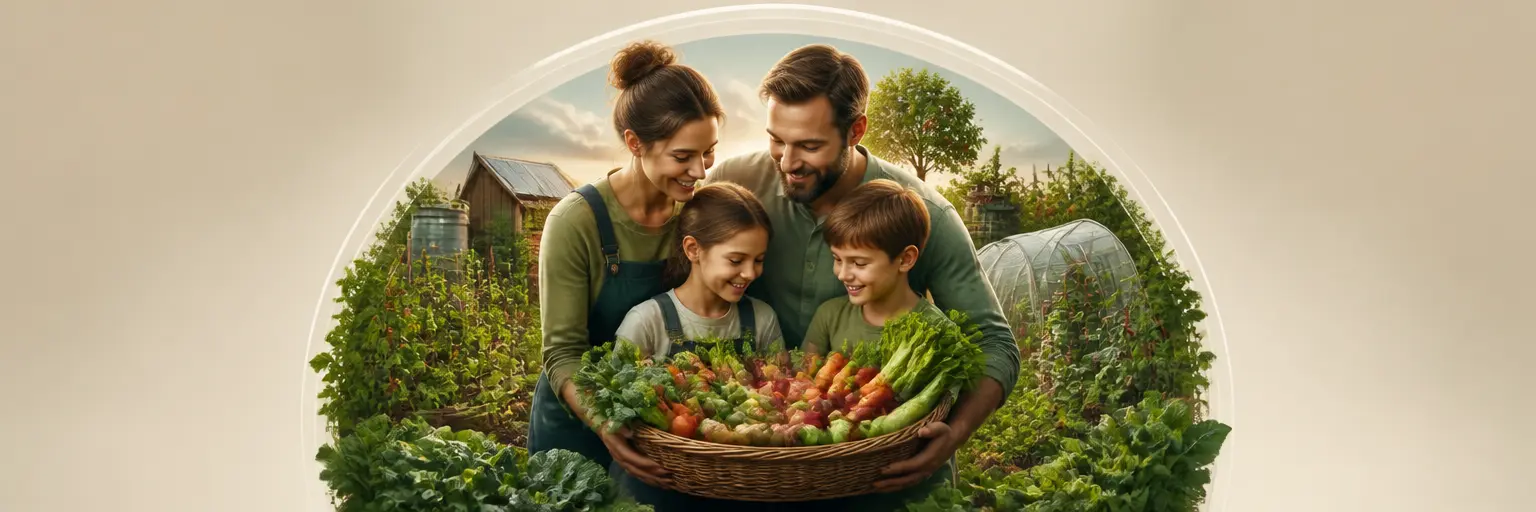
How to Grow a Diverse Garden That Will Feed Your Family Well
🌱 Discover practical strategies for growing enough food for your family using sustainable, organic gardening methods. Learn how to plan productive garden spaces, choose reliable fruits, vegetables, and herbs, improve soil with compost, manage pests naturally, and maximize harvests through succession planting and preservation. Build a resilient home food garden that supports self-sufficiency, healthier meals, and greater food security—one harvest at a time.
7 articles
Watering Strategies for Feeding Your Family From a Home Garden
Growing Enough Food for Your Family: The Ultimate Goal of SelfSufficiency
Growing Enough Food for a Family with Specific Dietary Restrictions
Choosing the Right Varieties for Your Family's Needs and Preferences
Feeding a Family on a Budget: Maximizing Your Garden's Output
Pest and Disease Management Techniques for Ensuring a Successful Family Harvest
🌱 Growing Enough Food for Your Family
Discover practical, sustainable ways to grow enough food for your family at home with guidance from CultivateYourFood. This subcategory focuses on family food production, organic gardening, vegetable garden planning, fruit growing, herb cultivation, composting, natural pest control, harvesting, and long-term self-sufficiency. Whether you have a backyard, raised beds, a greenhouse, or a small urban garden, you will find strategies to produce more fresh, nutritious food while reducing grocery costs and improving household resilience.
🥕 Planning a Productive Family Food Garden
Learn how to create a realistic garden plan based on your family size, available space, climate, growing season, and preferred foods. Articles cover garden layout, crop selection, succession planting, companion planting, and seasonal planning so you can make the most of every square foot.
Readers can expect practical advice for estimating how many plants to grow, choosing high-yield vegetables, organizing raised beds, and balancing quick-growing crops with long-season harvests. These strategies help transform a home garden into a reliable source of fresh produce throughout the year.
🌿 Growing Vegetables, Fruits, and Herbs at Home
Explore detailed guidance for cultivating essential food crops, including tomatoes, potatoes, beans, peas, carrots, leafy greens, squash, berries, fruit trees, culinary herbs, and perennial plants. Each topic emphasizes organic growing methods, healthy soil, proper spacing, watering, sunlight, and harvest timing.
You will also learn how to select varieties suited to your region and family’s eating habits. From beginner-friendly crops to space-saving vertical gardens, the information is designed to help gardeners increase yields and grow a diverse home food supply.
🌾 Organic Soil Improvement and Composting
Healthy soil is the foundation of successful food production. Discover how to improve garden soil with compost, aged manure, mulch, cover crops, leaf mold, and other natural amendments. Learn how soil structure, drainage, fertility, and beneficial microorganisms affect plant growth.
Guides explain how to start and maintain a home compost pile, balance green and brown materials, use compost safely, and reduce household waste. With organic soil management, gardeners can build productive growing beds while supporting long-term soil health and sustainable gardening.
🐞 Natural Pest and Disease Control
Protect your family garden with environmentally responsible methods for identifying and managing pests and plant diseases. Topics include crop rotation, insect identification, physical barriers, beneficial insects, companion planting, garden sanitation, and natural treatments.
Rather than relying on harsh chemicals, CultivateYourFood encourages integrated pest management and prevention-first solutions. Readers will learn how to protect edible crops, encourage pollinators, and maintain a balanced garden ecosystem that supports healthy harvests.
💧 Efficient Watering and Climate-Resilient Gardening
Discover ways to provide plants with consistent moisture while conserving water. Content covers drip irrigation, rainwater collection, deep watering, mulching, moisture retention, drought-tolerant crops, and efficient watering schedules for vegetables, fruits, and herbs.
You will also find strategies for gardening through heat, heavy rain, frost, wind, and unpredictable weather. These water-saving and climate-smart gardening techniques can help families maintain food production despite changing environmental conditions.
🧺 Harvesting, Preserving, and Storing Homegrown Food
Growing enough food is only part of self-sufficiency; harvesting crops at the right time is equally important. Learn how to identify peak ripeness, harvest without damaging plants, and encourage continued production from crops such as beans, greens, peppers, tomatoes, cucumbers, and herbs.
Explore practical food preservation methods, including drying, freezing, fermenting, canning, pickling, and root-cellar storage. These techniques help families extend the usefulness of their harvest and enjoy homegrown food throughout the winter.
📅 Year-Round Family Self-Sufficiency
Build a year-round gardening routine with seasonal checklists for seed starting, transplanting, planting, maintenance, harvesting, composting, and garden preparation. Well-timed tasks make it easier to maintain consistent production and avoid overwhelming workloads.
Readers can also learn how to save seeds, grow perennial foods, plan succession crops, and develop a balanced pantry of fresh and preserved produce. These practices support greater food independence, household preparedness, and sustainable living.
❓ Frequently Asked Questions About Growing Enough Food for Your Family
How much garden space is needed to grow enough food for a family?
The amount of space depends on family size, diet, climate, gardening experience, and the crops selected. A small garden can provide herbs, salad greens, tomatoes, peppers, and other high-value crops, while a larger area is needed for staple foods such as potatoes, corn, winter squash, and dry beans.
What are the best crops for a family food garden?
High-yield and frequently used crops are often the best choices. These may include potatoes, beans, tomatoes, leafy greens, carrots, onions, cucumbers, squash, strawberries, raspberries, and culinary herbs. Choose foods your family enjoys and select varieties that grow well in your local conditions.
Can beginners grow enough food using organic gardening methods?
Yes. Beginners can start with manageable crops, improve soil with compost, use mulch, water consistently, and learn basic pest prevention. Organic gardening becomes easier when gardeners begin with a small plan, keep records, and gradually expand as their confidence and experience grow.
How can I increase food production in a small garden?
Use raised beds, vertical supports, succession planting, intensive spacing, container gardening, and fast-growing crops. Trellising cucumbers, peas, and beans can save space, while planting new greens after early crops are harvested can provide multiple harvests from the same growing area.
How do I preserve extra garden produce for my family?
Depending on the crop, you can freeze, dry, ferment, pickle, can, or store produce in a cool, dark location. Always follow reliable food safety guidance for pressure canning, water-bath canning, fermentation, and long-term storage to preserve food safely and maintain quality.